Overturning Conventional Wisdom: Carthage Was Actually History's Most Underestimated Military Superpower
Subverting Perceptions: Carthage Was Actually the Most Underestimated Military Superpower
In the vast expanse of ancient world history, Carthage is often viewed as merely a foil to Rome, an opponent that ultimately met its downfall under the iron heel of Roman conquest. However, when we delve deeply into the details of history, we discover that Carthage was actually an extremely powerful and severely underestimated military superpower. Its military achievements, strategic wisdom, and tenacious performance in warfare all deserve our reconsideration and reflection.
Rising from the Mediterranean: Commercial Giant and Military Newcomer
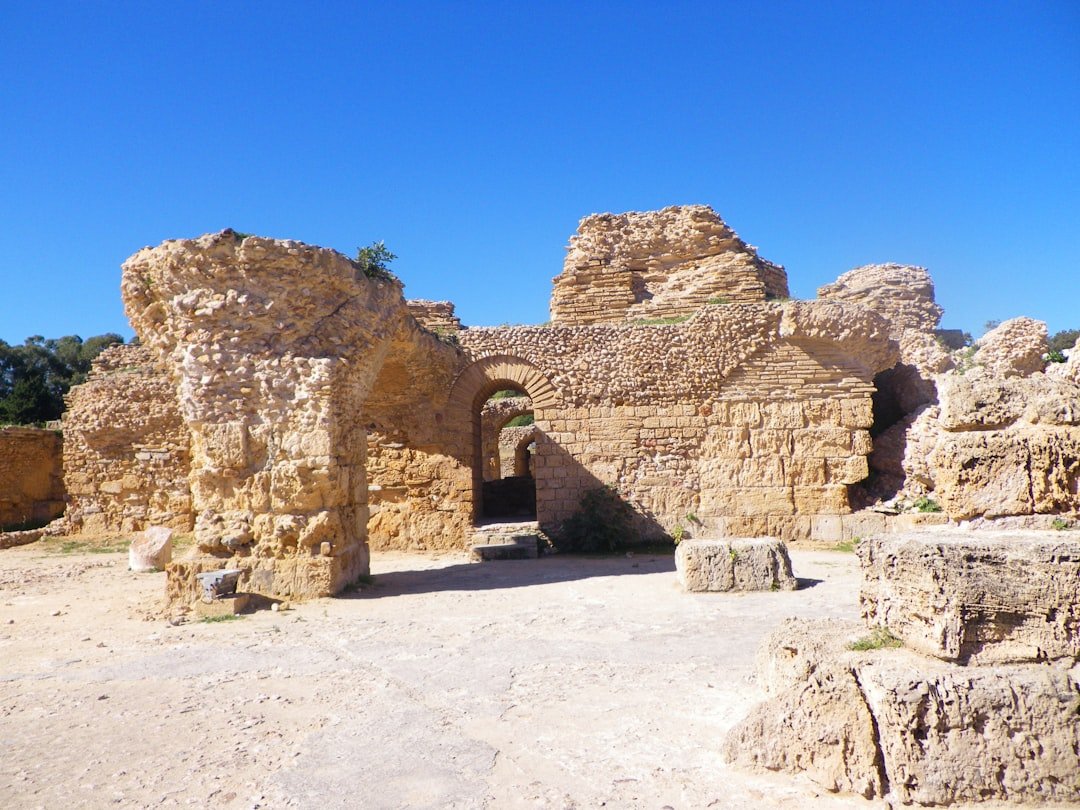
Carthage, located in present-day Tunisia, was founded by the Phoenicians at the end of the 9th century BC. Initially, it became an important commercial hub in the Mediterranean region thanks to its advantageous geographical location. The Carthaginians were skilled navigators, with their merchant fleets operating throughout the Mediterranean, controlling numerous trade routes and accumulating enormous wealth. This wealth provided a solid material foundation for the development of military power.
Beginning in the 6th century BC, Carthage started converting its commercial advantages into military superiority. It assembled a powerful navy with well-designed warships and well-trained crews. In conflicts with neighboring powers, the Carthaginian navy gradually gained prominence. For example, in competition with Greek city-states, the Carthaginian navy achieved multiple victories, successfully checking Greek expansion in the western Mediterranean. In 535 BC, Carthage, allied with the Etruscans, defeated the Greek Phocaean fleet near Corsica, consolidating its maritime hegemony in the western Mediterranean.
Hannibal—The Legendary Journey of a Military Genius

When discussing Carthage's military power, one cannot omit Hannibal Barca. He was Carthage's most outstanding military commander and one of the greatest military strategists in the ancient world. In 218 BC, the Second Punic War erupted, and Hannibal made a bold strategic decision—to lead his army over the Alps and strike directly at Rome's heartland.
Hannibal meticulously prepared for this expedition, leading approximately 38,000 infantry, 8,000 cavalry, and 37 war elephants from the Iberian Peninsula. The crossing of the Alps was extraordinarily difficult, with the army facing severe cold, mountain snow, and treacherous terrain. Yet through his outstanding leadership and indomitable will, Hannibal successfully led his troops through this natural barrier, appearing unexpectedly on Roman soil.
On the Italian battlefield, Hannibal's army achieved brilliant victories by defeating numerically superior forces with smaller numbers. The Battle of Cannae in 216 BC stands as a classic example in military history. Facing a Roman army vastly superior in numbers, Hannibal employed a double envelopment tactic, using his cavalry to maneuver around the Roman army's flanks and rear, ultimately encircling and destroying it. In this battle, Roman casualties and prisoners exceeded 70,000, while Hannibal's losses were merely around 6,000. Hannibal's military genius and the Carthaginian army's formidable combat power were displayed vividly in this engagement.
Diversified Military Forces and Strategic Tactics
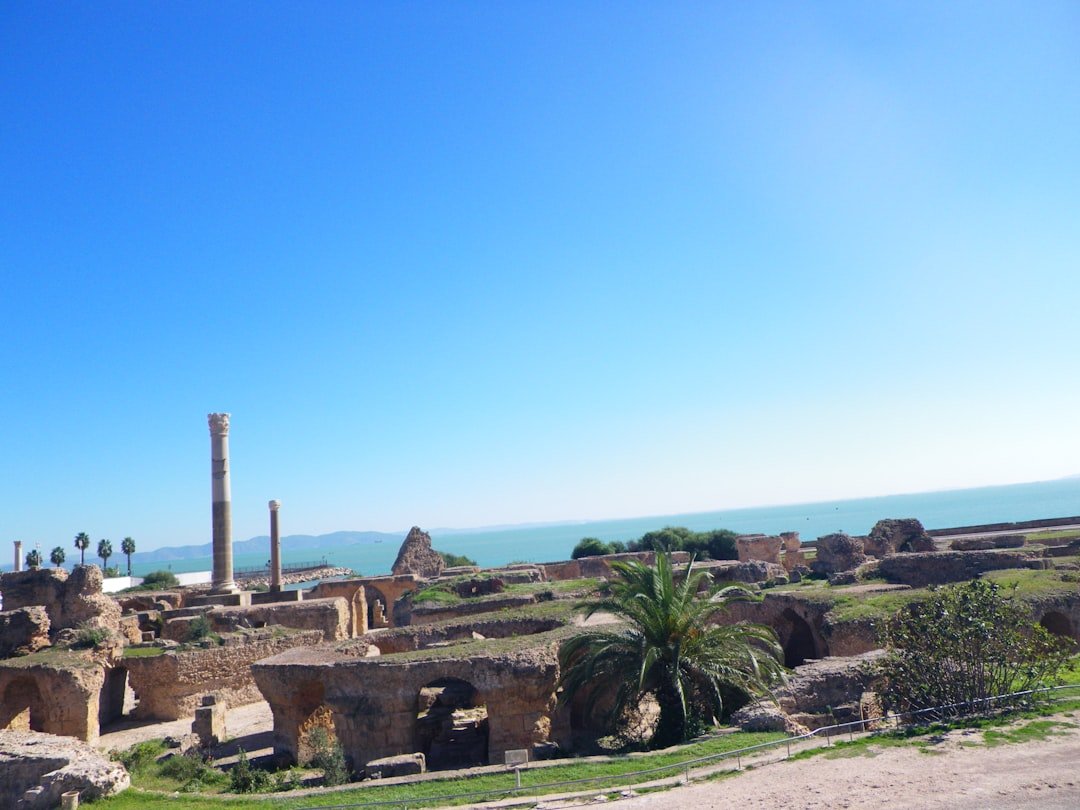
Carthage's military power was not limited to its navy and Hannibal's expeditionary force; its military system was characterized by diversity. In addition to its powerful navy and elite ground forces, Carthage employed mercenaries from different regions. These mercenaries included Numidian cavalry and Iberian infantry, each possessing unique combat skills and fighting styles.
The Numidian cavalry were renowned for their excellent horsemanship and mobility, moving across the battlefield like a swift wind, excelling at harassing enemy forces, cutting supply lines, and conducting raids. Iberian infantry were famous for their courage, tenacity, and superior swordsmanship, serving as an important component of the Carthaginian army. Carthaginian commanders were skilled at reasonably combining and deploying these diversified military forces according to different battlefield conditions and enemy characteristics.
In terms of strategic tactics, Carthage was not inflexible. During its prolonged conflict with Rome, Carthage formulated flexible strategies based on different phases of the war. In the war's initial phase, Carthage leveraged its naval superiority to control sea lanes, ensuring supply transport and troop movement. When the conflict entered a phase of land-based stalemate, Hannibal adopted an aggressive offensive strategy, fighting deep within Roman territory and attempting to force Rome to seek peace. Later, facing mounting Roman pressure, Carthage adopted defensive strategies to strengthen its homeland defenses.
Tenacious Resistance and Final Destruction

Although Carthage possessed formidable military power, it ultimately met its downfall in its prolonged confrontation with Rome. After experiencing setbacks in the war's initial stages, Rome gradually adjusted its strategy and strengthened its military capabilities. Through organizing massive ground forces and improving naval tactics, Rome progressively reversed the situation.
In the Third Punic War, Rome launched a comprehensive offensive against Carthage's homeland. In 149 BC, Roman forces besieged Carthage. The Carthaginians, facing desperation, displayed remarkable resistance, holding the city for three years and engaging in fierce street combat with Roman forces. However, due to prolonged blockade and war attrition, Carthage finally fell when supplies and food ran out. In 146 BC, Roman forces captured Carthage and razed it to the ground, ending Carthage's existence.
The Underestimated Brilliance and Historical Lessons
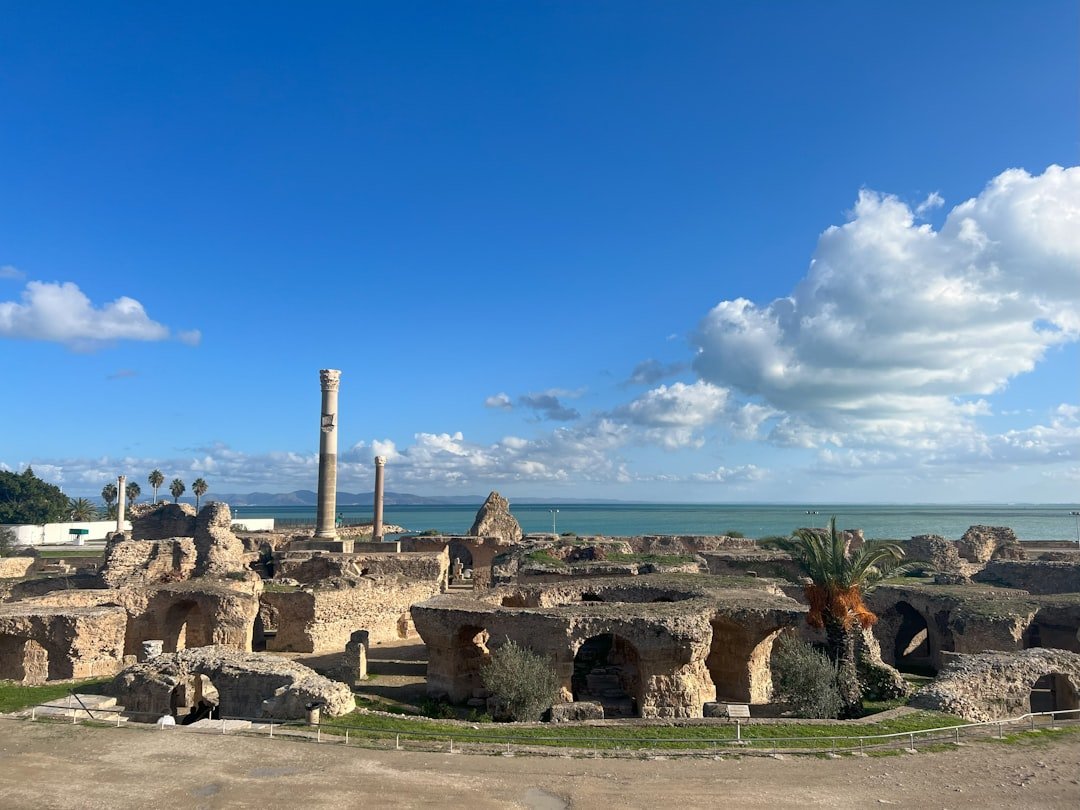
Carthage's underestimation as a military power stems from multiple factors. On one hand, since Rome ultimately won the Punic Wars and became the primary heir to Western civilization, history has been written largely from Rome's perspective, causing Carthage's achievements to be overlooked or deliberately diminished. On the other hand, Carthage's commercial character led people to view it primarily as a commercial empire, with its military strength being significantly underestimated.
Yet there is no denying that Carthage achieved numerous brilliant military accomplishments. Its navy dominated the western Mediterranean for centuries, and Hannibal's military campaign became legendary in military history. Carthage's diversified military forces and flexible strategic tactics demonstrated its exceptional capabilities as a military superpower.
From Carthage's rise and fall, we can draw important historical lessons. War is not merely a clash of military forces, but rather a competition of comprehensive national strength. Although Carthage possessed powerful military capabilities, during prolonged warfare, the problems of economic consumption and resource depletion became increasingly pronounced, eventually making it impossible to sustain prolonged conflict. Furthermore, the writing of history often carries the bias of the victor. When studying history, we need to examine it from multiple perspectives and conduct thorough analysis to restore history's true appearance and properly recognize those once-glorious civilizations and powers that have been underestimated. Carthage's story provides us with a unique and valuable perspective for reassessing the military landscape and historical development of the ancient world.
📝 本文来自抖文 www.douwen.me ,转载请保留出处。
原文链接:https://douwen.me/archives/646/
💬 评论 (6)
This is a refreshing take! Too many textbooks just gloss over Carthage's military innovations and focus only on their defeats. Hannibal's tactics alone revolutionized warfare for centuries.|
I'm intrigued but skeptical. If Carthage was truly a superpower, why did they lose to Rome not just once but THREE times? Would love to see more evidence supporting this claim in the full article.|
Respectfully disagree. Rome's ability to recover from devastating losses (like Cannae) and maintain a larger, more sustainable military machine is what actually made them the superpower. Carthage had brilliant generals but structural weaknesses.|
Excellent article premise! I'd add that Carthage's naval dominance and control of Mediterranean trade routes is severely underappreciated in modern scholarship. Their economic power was just as formidable as their military might.|
honestly never thought about this before but it makes sense now that you mention it. feeling kind of dumb for not realizing how impressive their military was lol|
The framing of this piece is fascinating from a historiography perspective. It challenges the victors' narrative perfectly—Rome wrote the history books, so of course Carthage came off as the villain. Really makes you question what other "defeated" civilizations we've misjudged.|