Why Does an Ordinary Ancient Tomb Hide Such a Shocking Mystery
Shocking Mysteries Hidden in an Ordinary Ancient Tomb: The Haihun Marquis Tomb as an Example
Throughout the long river of history, ancient tombs have always been important windows for people to explore the past. Some ancient tombs are renowned for their grand scale and abundant burial goods, while some seemingly ordinary tombs conceal shocking mysteries. The Haihun Marquis Tomb is precisely such a mysterious ancient tomb. It appears ordinary on the surface, yet continuously brought surprises and puzzles to people during the excavation process.
An Accidental Discovery
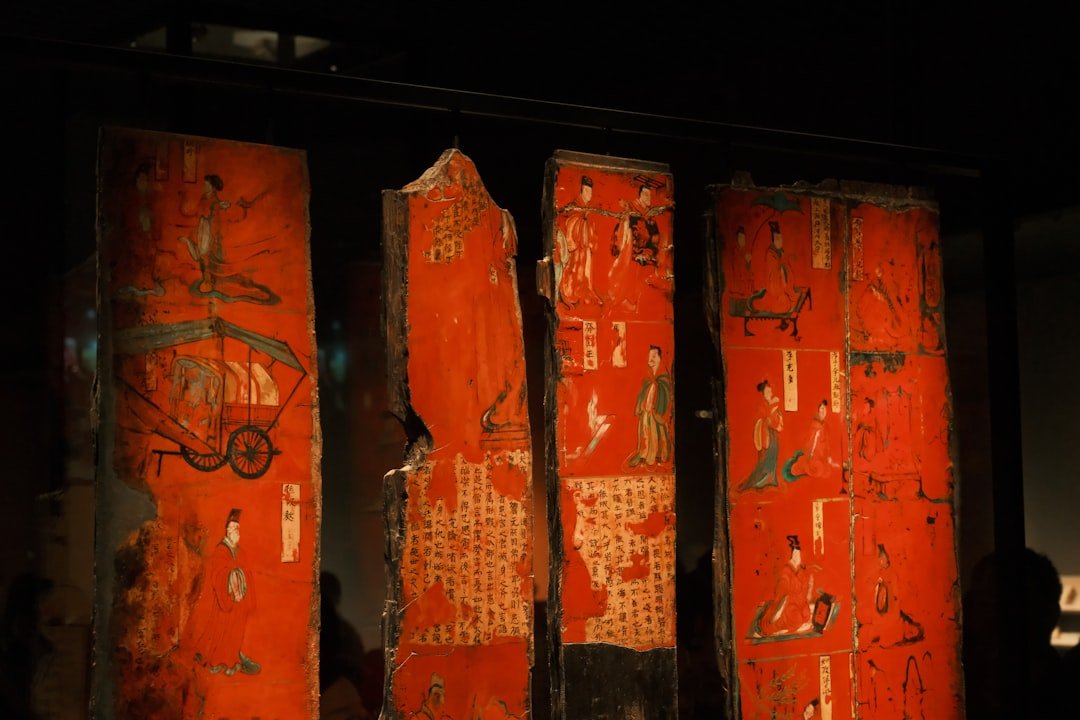
In March 2011, villagers in Guanxi Village, Datangping Township, Xinjian District, Nanchang City, Jiangxi Province discovered a newly appeared deep hole on a nearby mountain, suspecting it was the work of tomb robbers. They subsequently reported it to the cultural relics department. Following this report, archaeologists quickly rushed to the scene for investigation, never expecting that this survey would open the prelude to a major archaeological discovery. Initially, this ancient tomb did not attract much special attention. From its external appearance, it showed no significant differences from the many other ancient tombs in the surrounding area, lacking obvious special markers or signs of unusual scale. However, as archaeological excavation work gradually progressed, people gradually realized that this ancient tomb was not as simple as it appeared.
When archaeologists cleaned the robber's tunnel, they discovered that the tunnel had already come dangerously close to the burial chamber. If they had arrived even slightly later, the cultural relics inside the chamber might have been plundered by tomb robbers. Fortunately, the tomb robbers were discovered and stopped just as they were about to succeed. Shortly thereafter, the archaeological team conducted comprehensive surveying and excavation of the ancient tomb. During this process, they discovered that the ancient tomb had a complete tomb garden structure, including the main tomb, subsidiary burials, a chariot and horse pit, as well as an enclosing wall, with a scale that was considerably grand, far exceeding that of ordinary Han Dynasty tombs. However, at this point, people still only thought this might be a Han Dynasty aristocratic tomb, without anticipating the even more astonishing discoveries that would follow.
The Mystery of Abundant Burial Goods
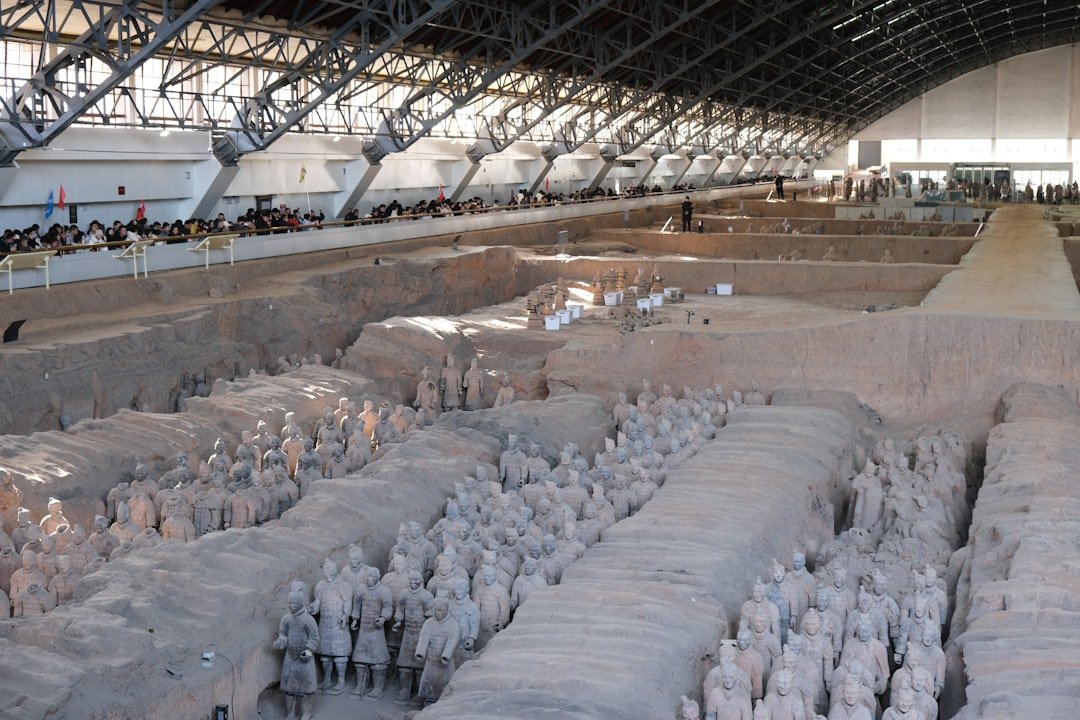
As excavation work deepened, the quantity, variety, and exquisite craftsmanship of the burial goods unearthed from the ancient tomb left people astonished. In the main burial chamber, archaeologists discovered a large quantity of gold artifacts, including gold cakes, horse-hoof gold, and qilin-foot gold, totaling more than 478 pieces and weighing nearly 120 kilograms. Not only was the quantity of these gold artifacts astounding, but the craftsmanship was also superb, with each piece being a work of art. For example, the horse-hoof gold and qilin-foot gold had unique shapes with exquisite decorative patterns carved on them, reflecting the Han Dynasty's superior gold-working techniques.
Furthermore, the tomb also yielded approximately two million five-zhu coins, with a total weight exceeding ten tons. These five-zhu coins were stacked neatly together, as if recounting the former wealth of the tomb's occupant. Besides gold artifacts and coins, there were also large quantities of bronze vessels, jade objects, and lacquered wooden ware. Among the bronze vessels were exquisitely shaped ritual vessels such as tripods and pitchers, as well as practical household items like lamps and incense burners. The jade objects were smooth and delicate, including jade pendants and jade discs. The lacquered wooden ware displayed vibrant colors and was well-preserved, showcasing the Han Dynasty's superior lacquering techniques. Such abundant burial goods naturally raised the question: what was the identity of the tomb's occupant that allowed him to possess such precious burial goods?
According to Han Dynasty burial customs, the quantity and variety of burial goods were closely related to the tomb occupant's identity and social status. Although ordinary aristocratic tombs also contained certain quantities of burial goods, such an enormous amount of gold artifacts and coins as found in the Haihun Marquis Tomb was extremely rare. Even the tombs of some marquises and kings contained burial goods that were difficult to compare in richness. These mysteries prompted archaeologists to further investigate the true identity of the tomb's occupant.
The Mystery of the Tomb Occupant's Identity
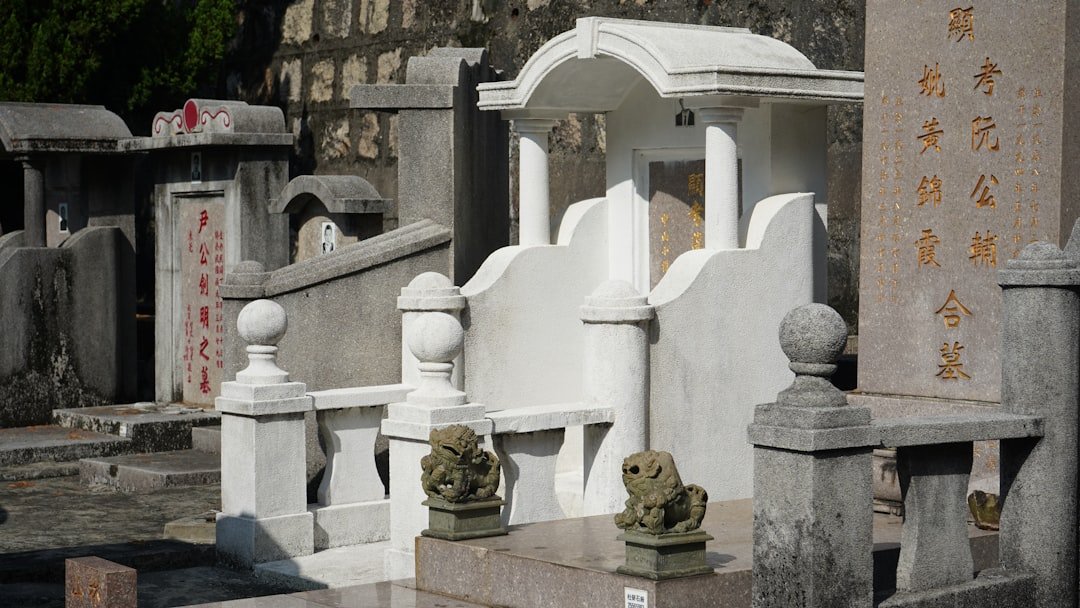
Among the numerous unearthed cultural relics, some inscribed bamboo slips and seals became key clues in determining the tomb occupant's identity. When archaeologists cleaned the unearthed artifacts, they discovered multiple seals, among which a jade seal engraved with the name "Liu He" attracted considerable attention. Combining this with the tomb's specifications, dating, and other unearthed artifacts, archaeological experts basically confirmed that the tomb's occupant was Liu He, the Haihun Marquis of the Western Han Dynasty.
Liu He's life was filled with legendary qualities. He was originally the son of Liu Bo, the King of Changyi, and after Emperor Zhao of Han died without an heir, Liu He was summoned to the capital, established as Crown Prince, and subsequently became emperor. However, merely twenty-seven days into his reign, Liu He was deposed by Huo Guang and other officials for charges of "indulgent behavior, losing imperial propriety and violating Han institutions," historically known as the "Deposed Emperor of Han." After being deposed, Liu He returned to his homeland of Changyi, where he spent a period under surveillance. In the third year of Yuankang (63 BCE), Emperor Xuan of Han enfeoffed Liu He as the Marquis of Haihun and relocated him to Yuzhang Commandery (present-day Nanchang, Jiangxi). In the third year of Shenjue (59 BCE), Liu He passed away.
Liu He's unique experiences made the Haihun Marquis Tomb full of mysteries. He briefly served as emperor before being deposed, and later was enfeoffed as the Marquis of Haihun. This complex transformation of status filled people with curiosity about his tomb. On one hand, he was deposed from the imperial position, which theoretically meant his political standing had drastically fallen. Yet why would his tomb contain such abundant burial goods, and even some items that possibly only emperors could use? On the other hand, as the Marquis of Haihun, his tomb's specifications seemingly exceeded those of an ordinary marquis. These questions indicate that more secrets hide behind the identity of the tomb's occupant Liu He, awaiting people to uncover them.
The Cultural Mystery in the Bamboo Slips
Beyond the exquisite burial goods and the mystery of the tomb occupant's identity, the large quantity of bamboo slips unearthed from the Haihun Marquis Tomb also contained numerous mysteries. These bamboo slips numbered over five thousand, with diverse and rich content, including the Analects, the Book of Changes, the Book of Rites, medical texts, Five-Color Dietary Superiority, and the Elegy for the Deceased. Among these, the most striking discovery was the Analects: The Way of Knowledge section, which had been lost for eighteen hundred years. This discovery held tremendous significance for researching the transmission and evolution of Confucian classics.
The unearthing of these bamboo slips provided precious first-hand materials for our understanding of Han Dynasty culture, academics, and other aspects. However, they also raised certain questions. In the Han Dynasty, the production and preservation of books were extremely difficult, particularly books like Confucian classics, which generally only the few aristocrats or scholars could possess. Why would Liu He, once a deposed emperor and later a marquis, possess such an extensive collection of books? Were these bamboo slips his personal hobby collection, or did they have other special backgrounds and significance?
From the content of the bamboo slips, they covered multiple fields, reflecting that Liu He may have been someone with intense interest in cultural knowledge. However, considering that he was criticized for "indulgent behavior" and other actions during his reign, this seemed somewhat in conflict with the image of a culture lover. This contradiction also became a mystery, prompting people to wonder what Liu He's true cultural cultivation and spiritual world were really like.
The Mystery of Special Burial Practices
The Haihun Marquis Tomb also contained numerous mysteries regarding burial practices. From the overall layout of the tomb, it exhibited both typical characteristics of Han Dynasty marquis tombs, such as chariot and horse pits and subsidiary burials, while simultaneously incorporating elements similar to imperial tombs. For example, the tomb yielded many musical instruments that only emperors or high-ranking aristocrats could use, such as bronze bells and stone chimes. These instruments were exquisitely crafted and well-preserved, indicating that the tomb's occupant once possessed considerable musical cultivation and cultural refinement.
Furthermore, the burial chamber structure of the Haihun Marquis Tomb was also quite special. It employed a "tema cu" burial practice, a burial form reserved for high-ranking aristocracy such as emperors and marquises. Although Liu He once served as emperor, he had already been deposed and later was merely the Marquis of Haihun. According to normal ritual protocols, he should not have used such high-grade burial practices. Yet such circumstances appeared in his tomb. What was the reason behind this? Was it special consideration from Emperor Xuan of Han, or did Liu He himself overstep ritual propriety, or was there some other unknown hidden context? These all became issues requiring further research and discussion.
The Haihun Marquis Tomb, from its initial appearance as an ordinary Han Dynasty tomb, gradually revealed numerous shocking mysteries during the excavation process. The abundant burial goods, the occupant's special identity, precious bamboo slips, and special burial practices all imbued this ancient tomb with mystery. Its discovery not only provided abundant precious physical materials for our research into Han Dynasty history, culture, economy, and politics, but also gave us deeper understanding of that era. Simultaneously, these mysteries have inspired archaeologists and historical scholars to continuously explore and investigate, attempting to restore historical truth. The Haihun Marquis Tomb is like a thick volume of historical writings, with each new discovery resembling the turning of a page. Although we have already learned much, more secrets remain hidden within those unsolved mysteries, awaiting further exploration by future generations.
📝 本文来自抖文 www.douwen.me ,转载请保留出处。
原文链接:https://douwen.me/archives/645/
💬 评论 (5)
This is fascinating! The Haihun Marquis Tomb is such a perfect example of why we can't judge archaeological significance by surface appearances. I've read that they discovered thousands of artifacts there, including bamboo texts that completely changed our understanding of that era. Can't wait to read the full article!
What exactly makes this tomb so shocking compared to others? The excerpt cuts off right when it's getting interesting!
Excellent opening. As an archaeologist myself, I appreciate how the article immediately challenges the common misconception that grandeur equals historical importance. The most revealing tombs are often those that provide intimate details of daily life rather than just displays of wealth. Looking forward to the specific discoveries discussed.
Omg I want to visit this tomb so badly now! Is it open to the public?
I find it kind of eerie but also deeply moving to think about how these ancient people are still teaching us things thousands of years later. There's something about discovering someone's carefully preserved belongings that really makes history feel real and personal, you know?