The World Cup Host Curse: Nations That Collapsed After Hosting
The World Cup Host Curse: Nations That Collapsed After Hosting
On July 13, 2014, at the Brazil World Cup final, Germany beat Argentina 1-0 in extra time to win the title. It was Brazil's second time hosting since their 1950 loss to Uruguay. This time Brazil were thrashed 1-7 by Germany in the semifinal and beaten in the final after that. The whole tournament became Brazil's greatest tragedy.
What surprised people more was Brazil's sustained decline after that World Cup. They cleared the group stage in 2018 but exited 1-2 to Belgium in the quarterfinals. In 2022 they topped the group and beat South Korea 4-1 in the round of 16 but lost on penalties to Croatia in the quarters. In 2026 qualifying Brazil sit sixth, scraping through. In the 12 years from 2014 to 2026, Brazil fell from world's top team to second-tier power. This is the curse of the World Cup host.
Defining the Host Curse
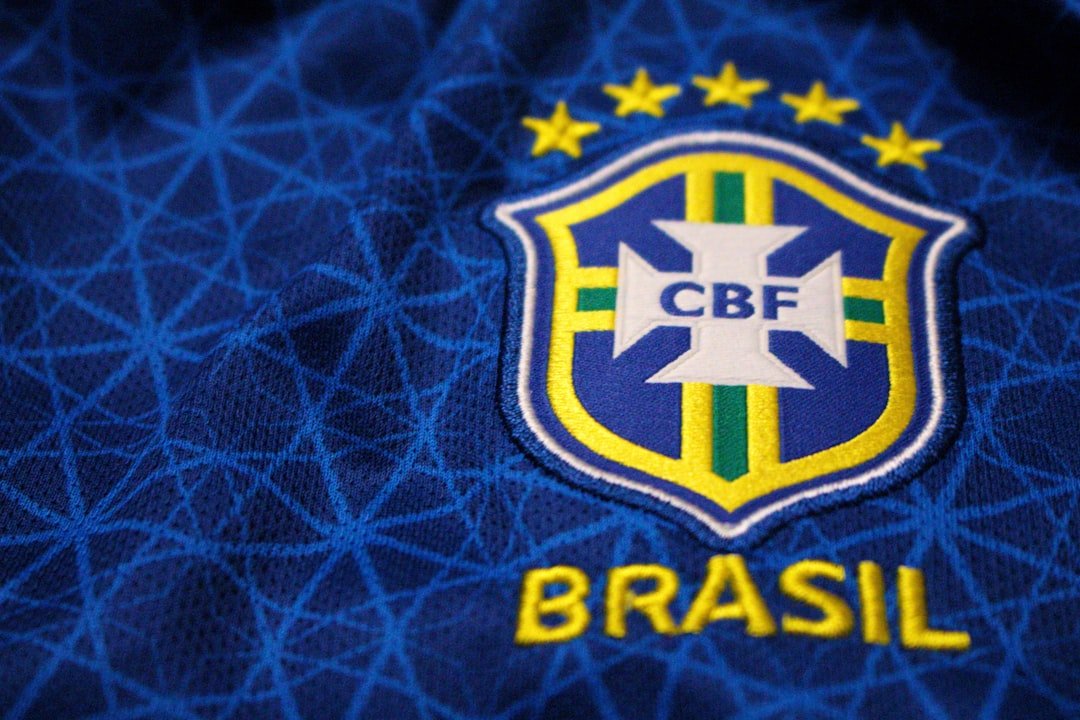
The host curse refers to the football decline countries typically experience for 10-20 years after hosting a World Cup. It has appeared in many nations. After Italy 1990, Italy went through repeated World Cup disasters including the 1994 final loss to Brazil, the 1998 quarterfinal to France, and the controversial 2002 round-of-16 exit to South Korea.
After France hosted and won in 1998, the next 8 years saw France crash out in the 2002 group stage. They reached the 2006 final but Zidane's red card cost them the title against Italy. The 2010 World Cup ended with France going out at the group stage amid a player strike scandal. The 2014 quarterfinal loss to Germany. France did not win again until 2018. The 10-20 year decline is the typical pattern of the host curse.
Brazil's Decline Curve
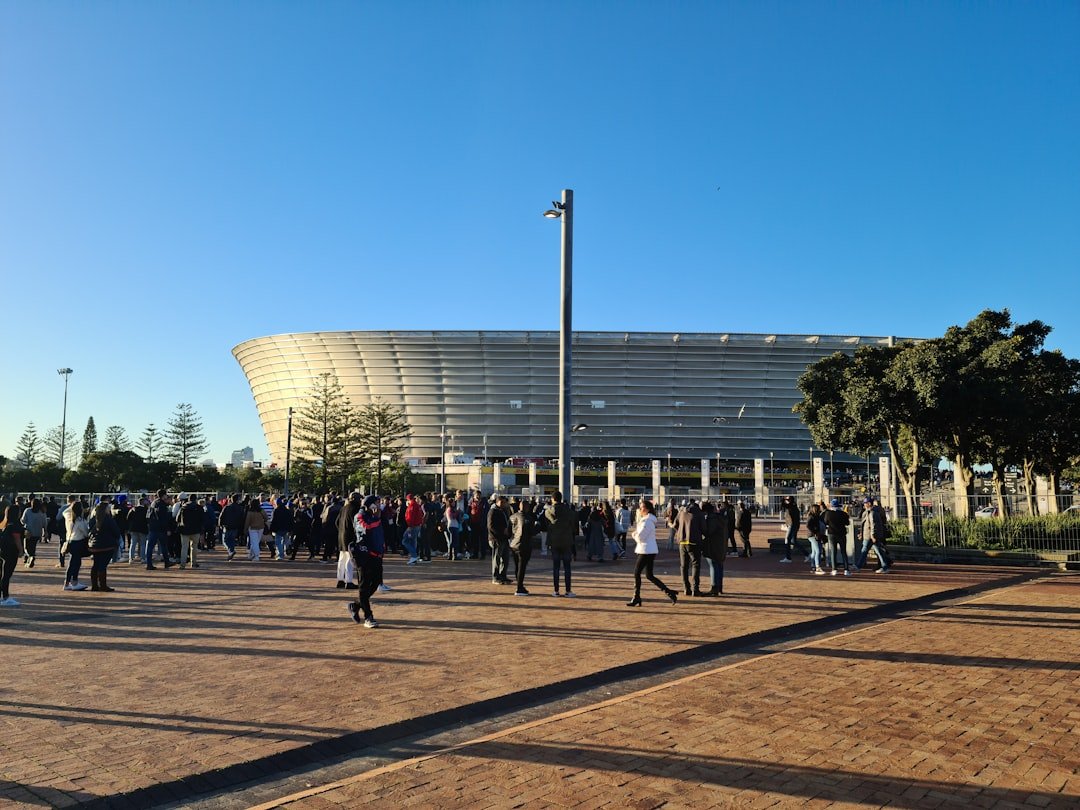
Brazil's path after 2014 is clear. The players' mental collapse at the 2014 World Cup took 10 years to slowly heal. The new generation of Vinicius, Rodrygo, Gabriel Martinelli, and Raphinha, though talented, lacks the soul of traditional Brazilian football.
The core problem is the absence of a new Ronaldo or Ronaldinho level talent. Neymar should have been that figure for the generation, but his injuries and PSG setbacks meant he never truly became Brazil's new king. At 32 in 2024 Neymar is in the Saudi league, his international career essentially over. The absence of a core star is why Brazil lost its World Cup dominance.
South Korea: The Inverse Case
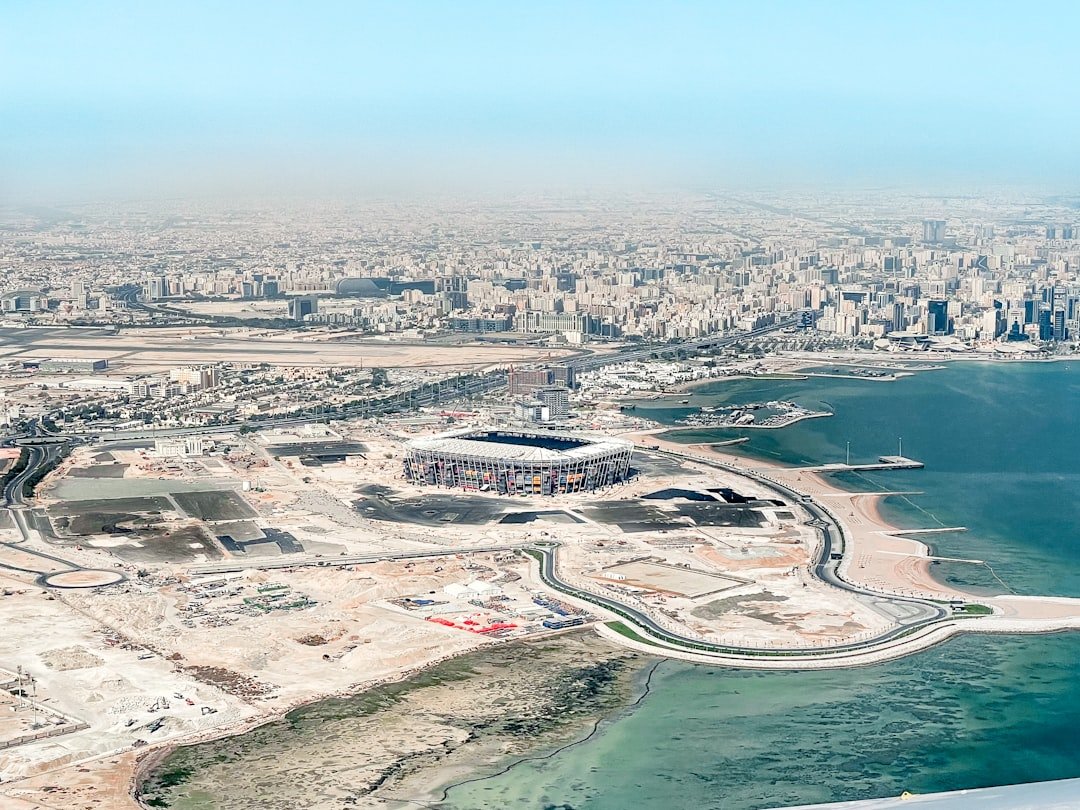
But the host curse is not universal. South Korea reached the 2002 semifinal at home and over the next 20 years did not decline but steadily improved. Korea climbed from 40th in 2002 to 22nd in 2024 in the FIFA rankings, one of the highest peaks ever for an Asian team.
Korea's success came from infrastructure and youth investment after 2002. The KFA invested heavily in youth, sending about 200 youths a year to Europe and Brazil for training. The long-term investment produced top European players like Son Heung-min, Kim Min-jae, and Lee Kang-in 20 years later. The dual investment in infrastructure and youth let Korea avoid the host curse.
South Africa: Total Failure
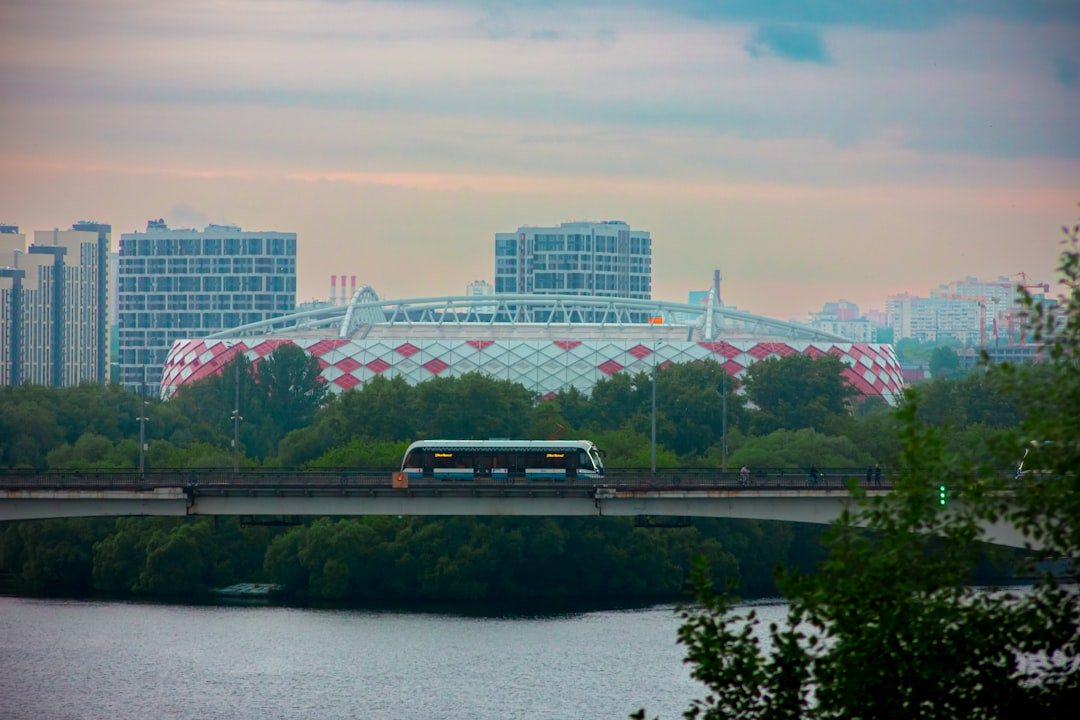
South Africa's decline after 2010 is the most severe. They were eliminated in the group stage at home, becoming the first host ever to fail to advance. In the 15 years since, the men's national team FIFA ranking has fallen from 38 in 2010 to 90 in 2024.
South Africa's failure stems from a lack of sustained investment. The South African FA hit financial trouble after 2010, with reduced youth funding. South Africa's sports resources are dominated by rugby and cricket, leaving football marginalized. The 2010 World Cup cost about 40 billion rand, but South African football did not improve, it regressed. It is the most extreme case of the host curse.
Russia's Middle Story
Russia reached the quarterfinals at the 2018 World Cup at home, their best ever finish. But Russia was banned by FIFA in 2022 for political reasons and missed the 2022 World Cup. Politics plus structural problems pushed Russia into a worse situation than the standard host curse.
The core issue is youth development. Russia is geographically vast but pro players concentrate in Moscow and Saint Petersburg. Other regions are underdeveloped. The 2018 performance led the Russian FA to assume they had reached European top tier and stop investing in youth. In 2024 the Russian men's team ranks 36 in FIFA, not bad but far below the 2018 level.
Qatar's Special Story
Qatar hosted in 2022 but exited at the group stage. It was a disappointment for Qatari fans. But Qatar's story differs. Qatar did not expect to win; their real goal was national brand growth from hosting.
From that view Qatar's World Cup is a success. National brand value rose sharply, attracting foreign investment. Qatar has begun investing in football youth aiming to produce its own top players by the late 2030s. The long-term plan may help Qatar avoid the host curse. But that judgment hinges on the next 15 years.
US 2026 Expectations
The US will co-host the 2026 World Cup with Mexico and Canada. It is the US's second time hosting (first was 1994). The US men's team is far below European powers, but the US goal is not just winning but pushing football into American mainstream culture.
If the US fail to reach the quarterfinals in 2026 US media will criticize. But reaching the round of 16 would be a major success. This expectations management may help the US avoid the curse. The US football ecosystem is complete, with MLS, college football, and youth systems receiving sustained investment. Plus a home boost, the US could become a Korea-style success.
A Psychological Explanation
The psychological reading is the pressure of home matches. Host players bear national fan expectations, which can motivate some but burden others. Brazil's 1950 Maracana disaster is the classic case of pressure becoming collapse.
Home advantage also brings the side effect of mental relaxation. Some players become overconfident at home. Sweden 1958 hosted but its host exited, Chile 1962 finished third at home, England 1966 won at home, Mexico 1970 reached the quarterfinals at home. The volatility reflects the major influence of psychology.
An Economic Explanation
The economic reading is resource misallocation. A country pours 10-50 billion dollars into World Cup infrastructure rather than youth. After the tournament most facilities sit unused, contributing nothing to long-term football quality.
The classic case is Brazil's 2014 World Cup, which cost about 15 billion dollars to build 12 new stadiums. After the World Cup operating costs were huge but revenue limited. Multiple stadiums lose 5-10 million dollars a year. The same money invested in youth could have produced generations of players. But spent on concrete and steel it cannot be recovered. The misallocation turns the host curse into a structural problem.
A Possible Bid by China in 2030
If China wants to bid for 2030 or 2034 it must consider the host curse. Chinese football's current level is not enough for the host to win or reach the quarters, and hosting could expose Chinese football to enormous pressure.
A smarter approach would be to lift the national team to Asian top-tier first and then bid. Japan and Korea took this path. The long-term plan makes hosting a milestone of national football progress, not a starting line. China is far from this state, and a bid could deepen the host-curse trap.
The Real Essence of the Host Curse
The true essence of the host curse is the fragility of a country's football ecosystem. Any nation that wants long-term top-level football needs stable youth development, healthy leagues, professional federations, and sustained investment. None can be missing.
Hosting a World Cup is a stress test of that system. If the system is strong, hosting brings positive feedback, as in Korea. If the system is fragile, hosting exposes problems and accelerates decline, as in South Africa and Brazil. That is why World Cup hosting means different things to different countries. And that is why the World Cup will always be football's highest honor. It is not just a tournament but a full assessment of a country's football capability.
📝 本文来自抖文 www.douwen.me ,转载请保留出处。
原文链接:https://douwen.me/archives/965/
💬 评论 (0)
还没有评论,来说两句吧 ✍️