Why Argentine Football Fans Are So Wild: A Country Shutting Down for Football
Why Argentine Football Fans Are So Wild: A Country Shutting Down for Football
On December 18, 2022, at Lusail Stadium in Qatar, Argentina beat France 4-2 on penalties to win the World Cup. The same day, 4 million people flooded the streets of Buenos Aires in celebration, more than 10 percent of the country's population. Three days later the Argentine government declared a national holiday for the team's victory parade. The parade started at the presidential palace and crossed the city center, drawing more than 5 million spectators.
It was the largest national celebration in football history. The entire country of Argentina shut down for three days over a football match. Banks closed, schools went on holiday, the metro stopped, the airport limited traffic. The frenzy of Argentina's fans astonished the world. A country of 44 million people treats football as religion and the World Cup as a sacred holiday. This cultural phenomenon is unique in the world.
The Historical Roots of Argentine Football Culture

Argentina's football passion goes back to the late 19th century. In 1893 British engineers building Argentina's railways brought football with them, and the earliest clubs were founded by Britons. By the early 20th century Argentina was one of the centers of South American football. Argentina reached the final at the inaugural 1930 World Cup.
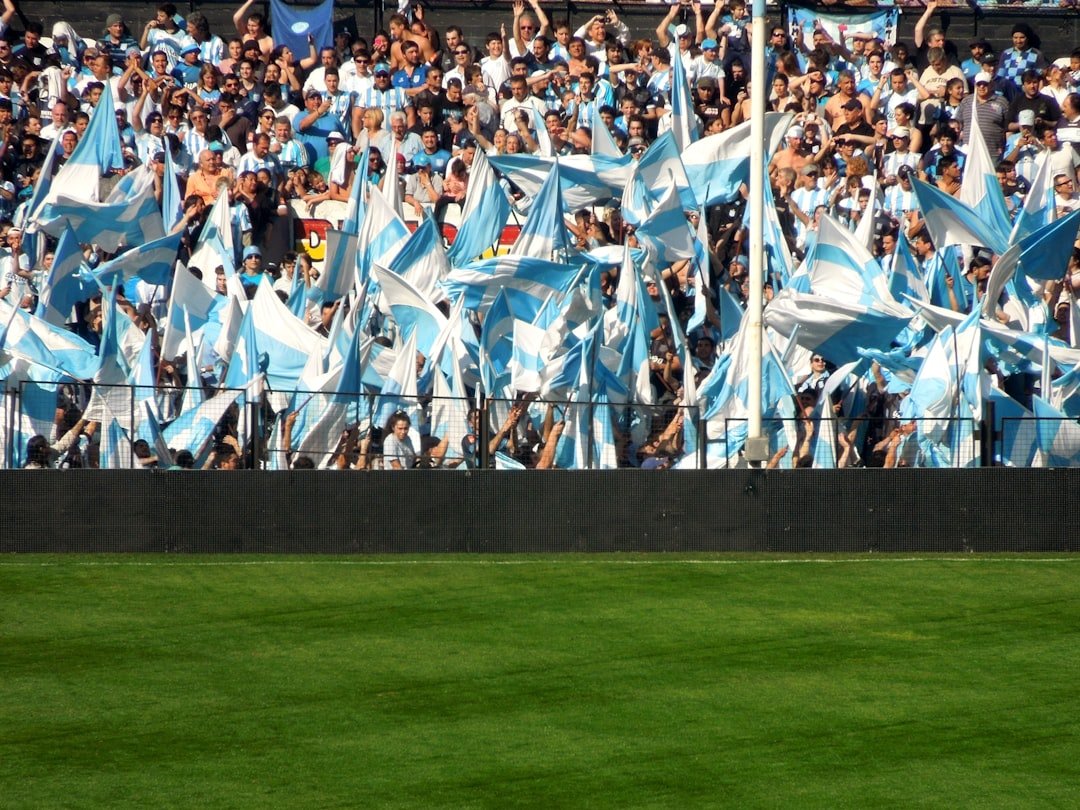
Football in Argentina is not just a sport but an identity. Argentina has more than 2,300 professional football clubs, the highest density of clubs in the world. Every Buenos Aires neighborhood has its own club, every family has a team. This deep-rooted culture passes Argentine football passion down through the generations.
The Civil War Between Boca and River

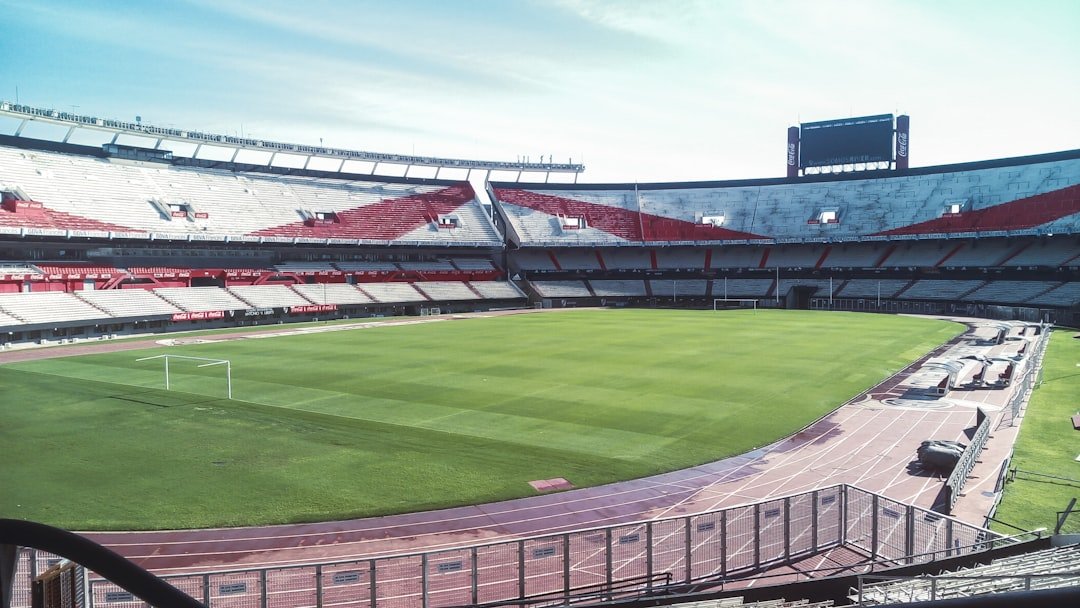
Argentina's most famous domestic showdown is the Superclasico between Boca Juniors and River Plate. Both clubs are from Buenos Aires, only 8 kilometers apart, but their fan bases have been bitterly opposed for a century. Boca's fans are mostly working class; River's fans are mostly middle class.
During the four annual Superclasicos, Buenos Aires comes close to paralysis. In 2018 the Copa Libertadores final between River and Boca had to be moved to Madrid after River fans attacked the Boca team bus. It was the first time in football history a South American club final was moved to Europe because of fan violence. This level of fan frenzy is the most extreme expression of Argentine football culture.
The Deification of Maradona

Maradona is the core symbol of Argentine football culture. He led Argentina to the 1986 World Cup title, where his goal of the century and the Hand of God in the quarterfinal against England made him a national hero.
Argentina even has a Maradona church, the Iglesia Maradoniana, founded in 2008, claiming over 200,000 followers. Its bible is Maradona's autobiography, and its Christmas is October 30, his birthday. This degree of athlete deification is rare globally and reflects how deeply Argentines venerate football heroes.
Messi: From Controversy to God
Before the 2022 World Cup Messi was a controversial figure in Argentina. Many older fans thought he only played well at Barcelona, never delivered for the national team, and was a far cry from Maradona. Consecutive losses, the 2014 World Cup runner-up and the 2016 Copa America runner-up, dragged Messi's national-team image low.
The 2022 World Cup changed everything. Messi scored seven and led Argentina to glory, the first World Cup player ever to score in the group stage, knockouts, and the final. Argentine fans immediately completed his deification, and many young supporters paired Messi with Maradona as the twin gods of Argentine football. Rapid deification on this scale only happens in a football-obsessed country like Argentina.
How the Whole Country Shut Down
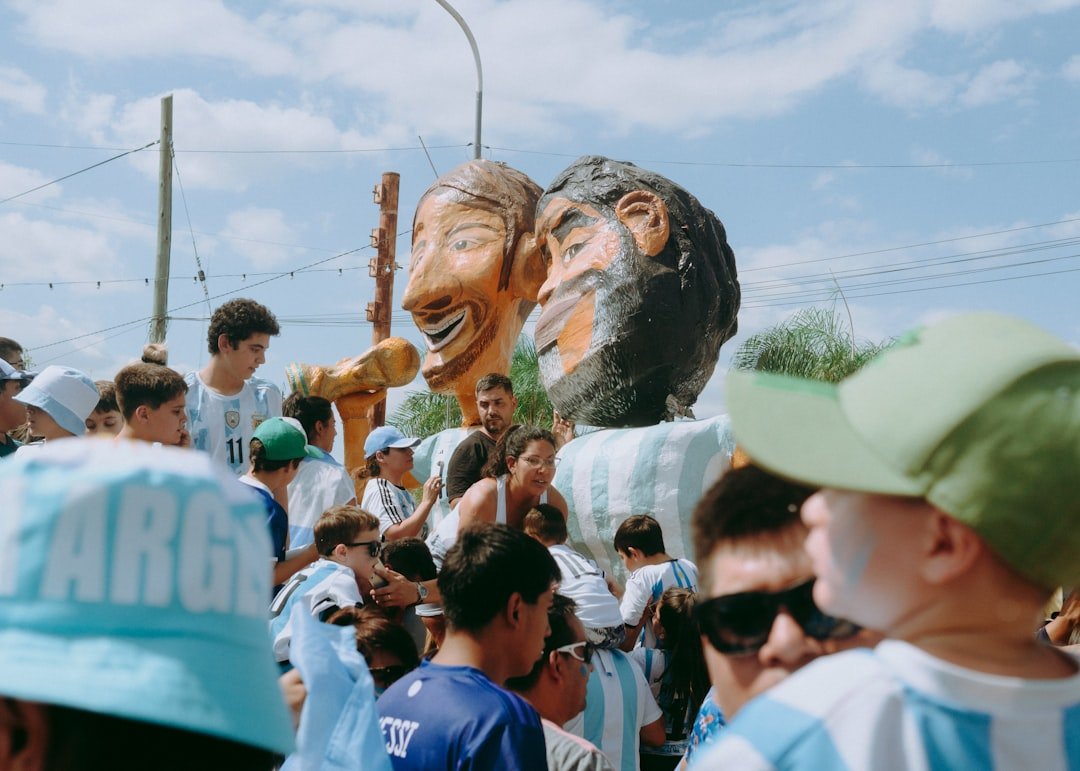
On final day, December 18, 2022, Argentina went into a wartime footing. From 8 a.m. every Buenos Aires bus and metro line stopped, all malls, restaurants, and banks closed. By 4 p.m. when the final kicked off, over 35 million people across the country were watching the broadcast at home or in public, about 80 percent of the population.
After the match Argentina officially entered celebration mode. The government declared December 20 and 22 national holidays so 44 million people could join in. Air traffic control restricted flights over Buenos Aires to keep planes from interfering with the parade. National-scale shutdowns like this normally only happen on major national holidays, but Argentina gave one to a football match.
The Scale of the Victory Parade
On December 20 the Argentine team returned from Qatar to Buenos Aires. From the airport to the presidential palace, 40 kilometers of route was packed with about 5 million fans. That exceeded the city proper population of 2.9 million; with all of Greater Buenos Aires at 13 million, it meant 40 percent of the metropolitan population was on the streets.
The chaos turned a 3-hour planned route into 12 hours of slow progress that never finished. In the end the players had to abandon the bus and switch to helicopters to wave to the fans from the air. Being unable to continue on the ground due to sheer numbers only happens in Argentina. France, Germany, and Brazil's World Cup victory celebrations have never reached this scale.
Economic Loss and Emotional Value
Argentina's three-day shutdown for the World Cup is estimated to have cost about $2 billion, around 0.4 percent of annual GDP. But the Argentine government and economists alike consider it worth it because the national emotional value of the title is beyond price.
Argentina was facing a severe economic crisis in 2022, with inflation over 100 percent, the peso crashing, and many living below the poverty line. Against that backdrop, the World Cup title was the country's only good news, providing spiritual comfort. As one Argentine fan said in an interview, we have no money, but we have Messi. Treating football as life's meaning is core to Argentine culture.
Argentina's Football Talent Export
Argentina exports football talent to the world. In 2024 about 8,000 Argentine professional footballers were playing in more than 100 countries, one of the highest export totals globally. These players remit about $2 billion home each year, a key source of Argentina's foreign exchange.
Argentina exports not only players but coaches. Sabella, Bielsa, Pochettino, Simeone, and Scaloni are Argentine managers working across the globe. Together they spread Argentine football philosophy. This is one of the most important channels for Argentine cultural influence worldwide.
The Dark Side of Argentine Fans
Argentine fan frenzy also has a dark side. Barra Brava is the collective term for Argentina's hooligan groups. They control fan sections at every club and run organized violence. In 2023 more than 30 Argentine fans died in football-related violence.
This violence has long frustrated the Argentine government. In 2013 away fans were banned from opposing home stadiums, and league matches now only allow home fans. This restriction is unique to Argentina. Argentine support sometimes spills into uncontrollable violence; it is a double-edged sword of the country's football culture.
2026 Expectations
Argentina will defend its title at the 2026 World Cup. Although Messi will be 39, he has repeatedly said he plans to play in 2026. Should Argentina win again, celebrations are expected to exceed the 5 million of 2022, potentially involving half the country.
Argentina's football frenzy will not fade with time. It is embedded in the national DNA, with every generation re-baptized in football culture. While the rest of the world treats football as a mere sport, Argentina treats it as a spiritual faith. That attitudinal gap makes Argentina the world's most unique footballing nation. That is why Argentine fans are so wild, and why an entire country can be paralyzed by a single football match.
📝 本文来自抖文 www.douwen.me ,转载请保留出处。
原文链接:https://douwen.me/archives/907/
💬 评论 (0)
还没有评论,来说两句吧 ✍️