Qatar 2022's Real $220 Billion Ledger: Where Did All the Money Go
Qatar 2022's Real $220 Billion Ledger: Where Did All the Money Go
On December 2, 2010, FIFA voted Qatar over the United States, Australia, South Korea, and Japan to win the right to host the 2022 World Cup. It was the first World Cup hosted by an Arab nation, and the most expensive in history. Qatar's total spend was approximately $220 billion, 15 times that of Brazil 2014 and 19 times that of Russia 2018.
The $220 billion figure stunned the world. Qatar has a total population of about 3 million, yet they spent more than the annual GDP of many countries. Where exactly did the money go? The real ledger is far more complex than the official line, including eight brand-new stadiums, 800 kilometers of metro, 180 five-star hotels, and the rebuilding of an entire nation's urban infrastructure.
The $220 Billion Breakdown
Qatar's officially declared World Cup-related direct spend was $220 billion. Stadium construction was around $8 billion, transport infrastructure about $36 billion, hotels and accommodation about $42 billion, airport expansion about $16 billion, the new city of Lusail about $45 billion, security and operations about $20 billion, and the remaining $53 billion for communications, healthcare, food and beverage, and other support.
This figure dwarfs FIFA's official ledger. FIFA's official total cost is around $75 billion, with the $145 billion gap reflecting that FIFA only counts strict World Cup operating costs, not Qatar's national infrastructure investments. Qatar essentially tied a national infrastructure upgrade to the World Cup, turning the tournament into a catalyst for national modernization.
The Sky-High Cost of Eight Stadiums
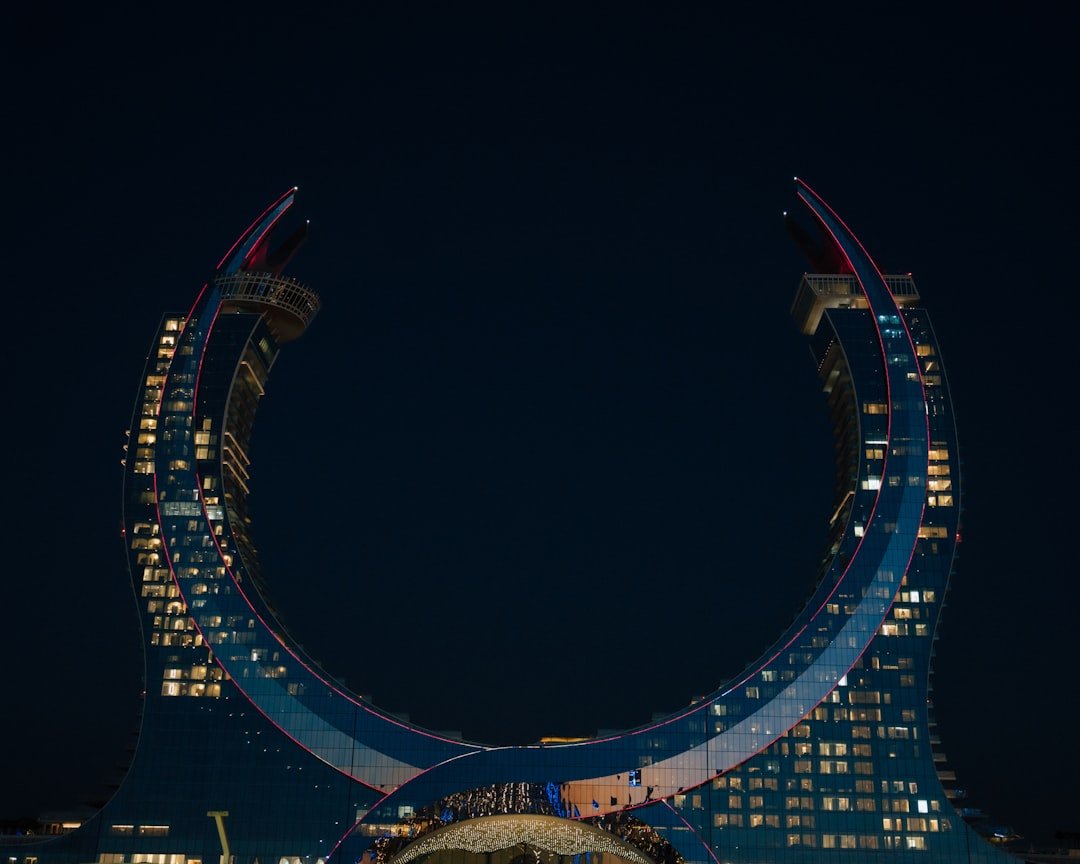
The 2022 Qatar World Cup used eight stadiums, all newly built or renovated for the event. Five were entirely new: Lusail Stadium (final venue, capacity 88,000, cost $800 million), Al Bayt Stadium (capacity 60,000, cost $770 million), Al Thumama Stadium (capacity 40,000, cost $700 million), Al Janoub Stadium (cost $650 million), and Education City Stadium (cost $600 million).
The most expensive was Lusail Stadium. Located at the core of the new city of Lusail, its shape echoes a traditional Arab ceramic bowl. The stadium is ringed by artificial lakes and equipped with a two-layer air-conditioning system keeping ambient temperature at 24 degrees. After the World Cup, the stadium was reconfigured; the upper-tier seats were dismantled and donated to poor African countries to use in their own stadiums. This reuse plan was a World Cup first.
The Birth of an 800-Kilometer Metro
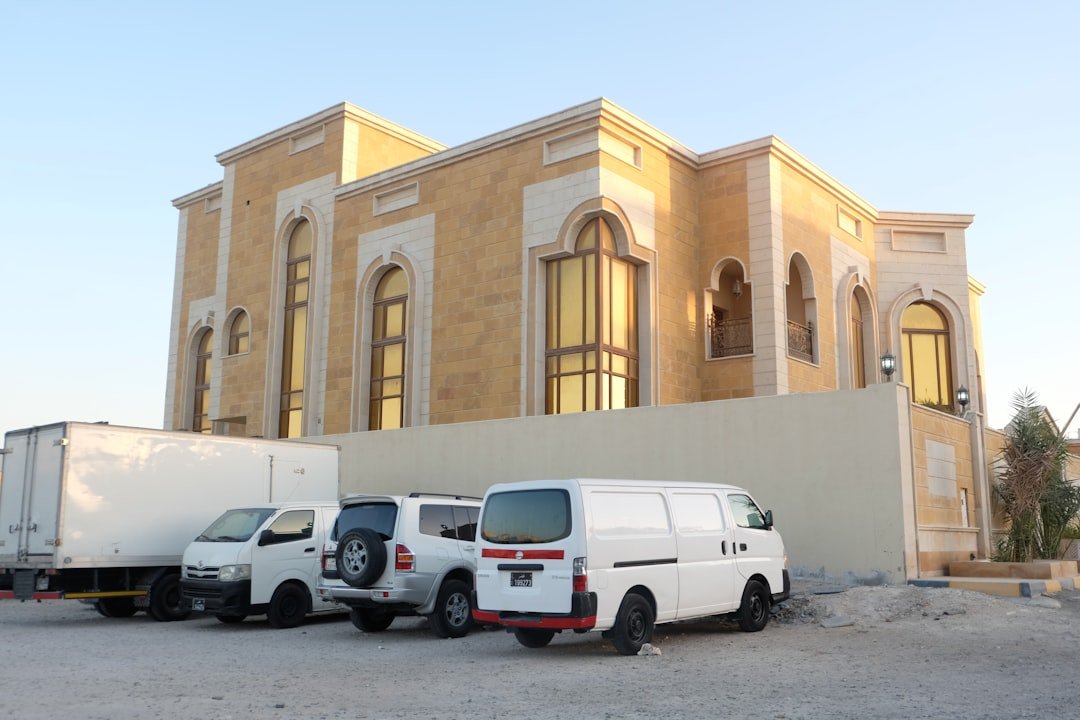
Qatar built a complete urban metro system from nothing before the World Cup. The Doha Metro consists of three lines totaling 76 kilometers, with a wider intercity rail network totaling 800 kilometers. Construction began in 2013, partially opened in 2019, and was fully operational by the 2022 World Cup.
Metro construction cost about $36 billion. The contractors were international consortia including China Railway Construction, France's Vinci, and Japan's Mitsui. Doha Metro stations are designed at hotel-level luxury, each with its own decorative style, earning the title of the world's most luxurious metro. During the World Cup, the metro carried 800,000 riders per day, three times pre-opening estimates.
Building Lusail from Scratch
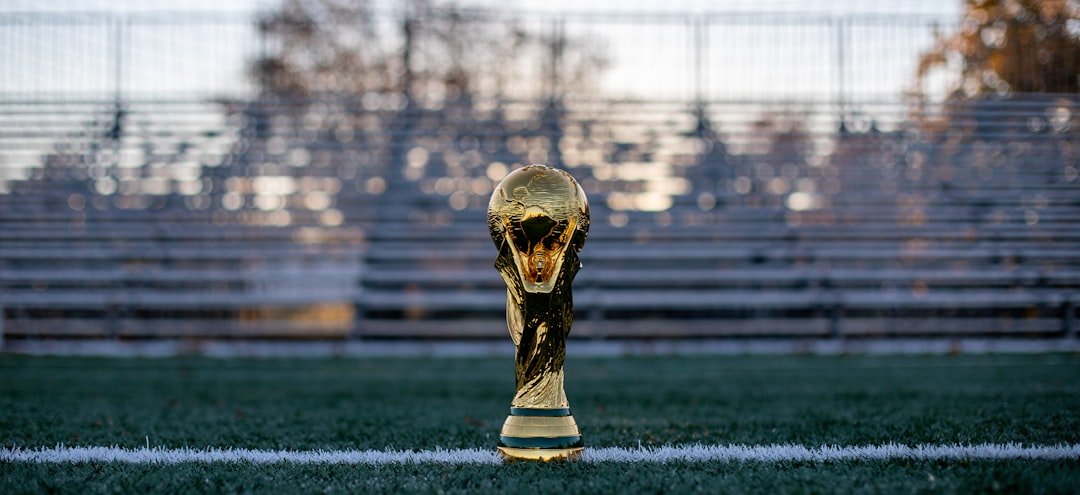
Lusail is a brand-new city Qatar built from the desert before the World Cup. Covering 38 square kilometers and designed for 250,000 residents, it includes residential, business, waterfront, and island hotel zones. Total investment was around $45 billion, the single largest urban-construction spend in World Cup history.
The core of the new city is Lusail Stadium, the final venue. Around the stadium, Lusail Boulevard is lined with high-end malls, restaurants, and hotels. The new city's design standard is the post-World Cup Qatar tourism hub, aiming to attract Middle Eastern wealth and long-stay European visitors. After the tournament, the new city's occupancy rate hovers around 30 percent, well short of design targets.
180 Five-Star Hotels by Tender
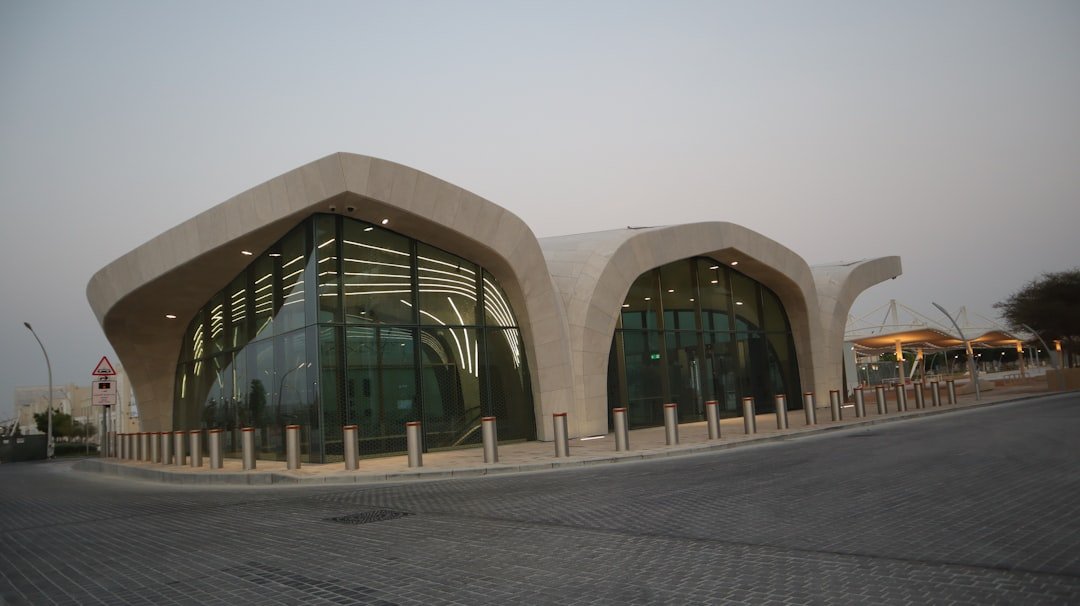
Qatar built or renovated 180 five-star hotels with 120,000 rooms for the World Cup. Among them are six super-five-star properties branded as seven-star service, with prices reaching $30,000 per night. The density of luxury hotels made Qatar one of the most concentrated five-star cities in the world.
Hotel investment was about $42 billion, jointly operated by the Qatar Investment Authority and international groups Marriott, Hilton, Four Seasons, and IHG. Occupancy during the World Cup exceeded 95 percent, but it plummeted to 30 percent afterward. This long-term return question is the most uncertain part of Qatar's investment.
Airport Expansion
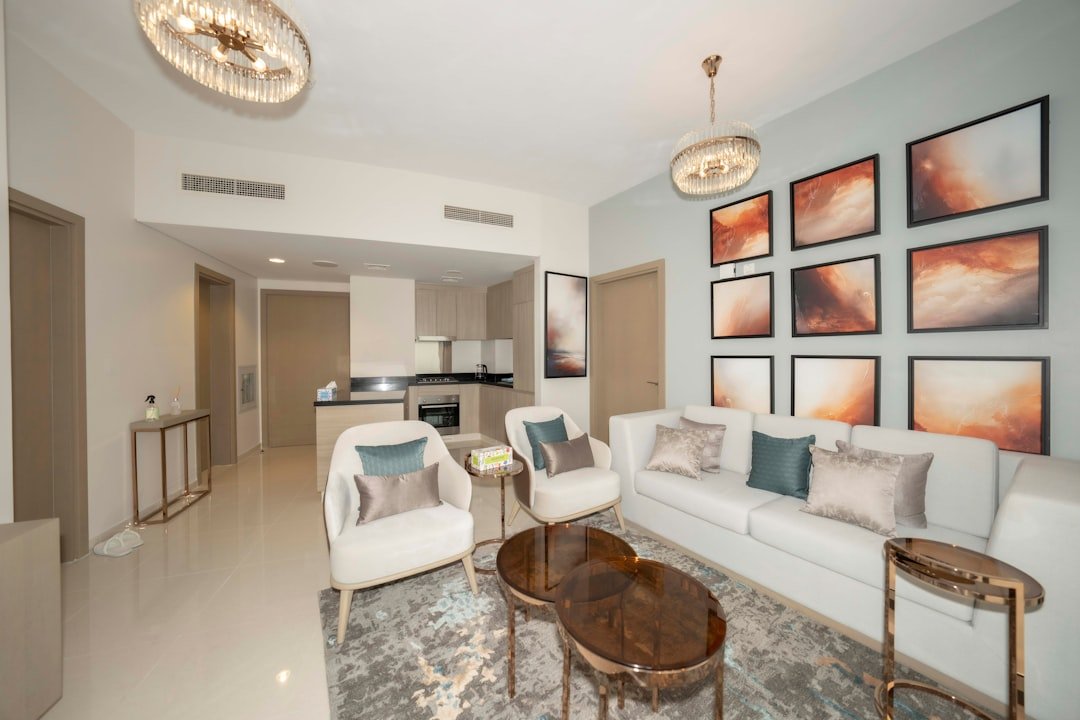
Hamad International Airport opened in 2014, and from 2018 to 2022 expansion added new terminals, raising annual capacity from 40 million to 58 million passengers. Expansion cost about $16 billion. It is one of the largest and most modern airports in the Middle East.
The expansion targeted the 1.5 million tourists anticipated during the World Cup. Over the tournament's 30 days the airport handled about 1.4 million arrivals, close to the design ceiling. The expansion lifted Qatar Airways' international standing; by 2024 it ranked third worldwide in long-haul carriers.
Security and Operations Spending
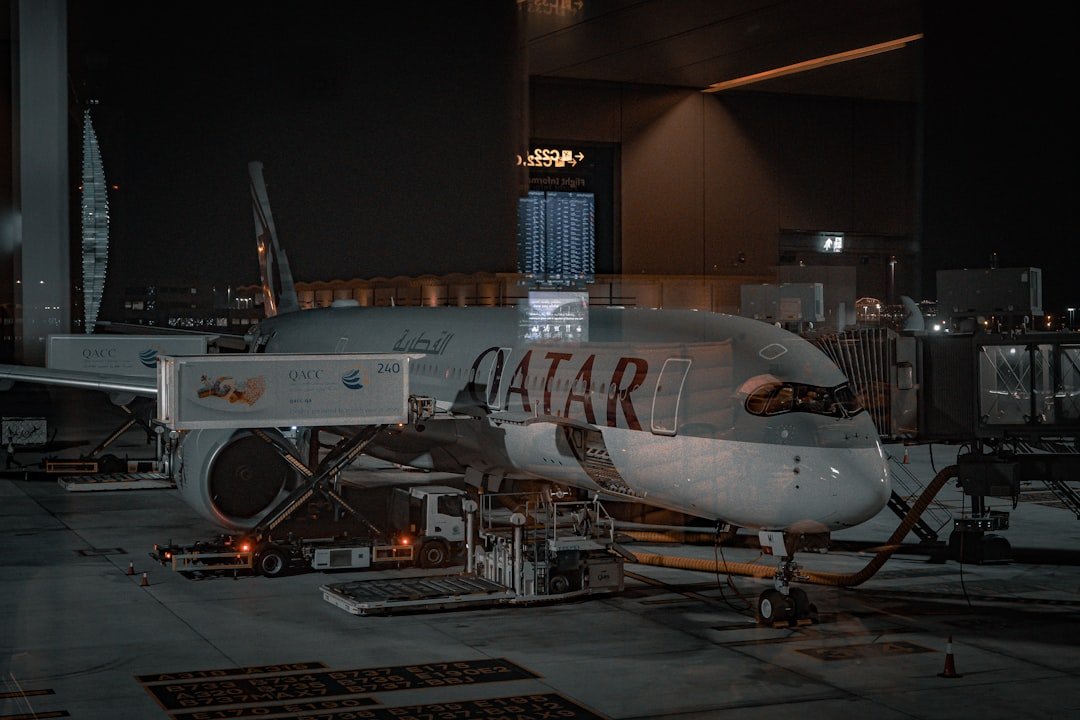
During the 30-day World Cup, Qatar spent about $20 billion on security and operations. This covered 30,000 police and military, 50,000 volunteers, hosting for 20,000 journalists, and procurement of millions of match-related items.
The most expensive line item was counter-terrorism security. Qatar leased special forces from the US, UK, Turkey, and Pakistan to protect the eight stadiums and VIP zones. The 30-day leasing cost approximately $3 billion. Counter-terror security at this scale had never been seen at a World Cup and reflected the security sensitivity of the Middle East.
The Price of 6,500 Workers
During World Cup infrastructure construction, approximately 6,500 foreign workers died, mostly from Nepal, India, Pakistan, and Bangladesh. The figure comes from Amnesty International and ILO estimates. Qatar officially disputes the number and acknowledges about 400 deaths.
Most of these workers were on stadium and metro sites. Causes of death included construction accidents, heatstroke, and heart attacks. Qatar's labor-protection system drew international criticism, putting FIFA under heavy pressure. During the 2022 World Cup, Qatar paid about $500 million to the ILO to improve its labor-protection regime. But the cost of 6,500 lives can never be undone.
The Real Investment Return Ledger
Qatar's $220 billion investment produced a direct economic return of about $42 billion, including ticketing, broadcast rights, sponsorship, and tourist spending. The direct loss is $178 billion.
But Qatar was not chasing short-term returns. Their real goal was a national image upgrade. The World Cup reached a global TV audience of 5 billion, each viewer seeing Qatar's modernized image. This national brand value is estimated around $60 billion, a third of the direct loss. Adding long-term tourism growth, foreign investment, and geopolitical influence, Qatar could recoup its investment within 10 years.
Saudi 2034's Bigger Ledger
Qatar's $220 billion is only the beginning. Saudi Arabia's publicly committed budget for the 2034 World Cup is about $200 billion. Adding the $500 billion of Vision 2030 investments, Saudi Arabia and Qatar are reshaping the Middle East and Arab world's global standing.
This tide of petrodollars is starting to pull European football resources toward the Middle East. Salary levels in the Saudi, Qatari, and UAE leagues already exceed mid-table Premier League clubs. The World Cup is merely the stage for this monetary war. The real battleground is the global redistribution of football resources. Qatar's $220 billion ledger is just the start; bigger bills are coming.
📝 本文来自抖文 www.douwen.me ,转载请保留出处。
原文链接:https://douwen.me/archives/905/
💬 评论 (0)
还没有评论,来说两句吧 ✍️