How Can Ordinary People Protect Themselves Under Maximum Alert? Three Survival Rules More Important Than Stockpiling Food
So most of the time, the question isn't "is there danger?"
It's —
👉 Whether you're walking into a system that's already losing control
Part 2: Space — It Determines Your "Starting Position"
When things change, the first question isn't "what should I do?" It's:
👉 "Is where I am right now working for me, or against me?"
Home Is the Most Overrated Place
Most people instinctively think home is the safest place to be.
That feeling comes from familiarity:
- You know every corner
- You have supplies
- You have privacy
But feeling safe and being safe are fundamentally different things.
In normal times, home is a stable space.
But in certain extreme situations, its limitations become obvious:
- It's not built to withstand serious structural shocks
- It can't seal out changes in the outside air
- Its ability to get information depends entirely on external systems
In other words, it's a "living space" —
not necessarily a "protective space."
Underground Urban Spaces Operate on a Completely Different Logic
You probably never think about them:
Underground parking garages, basement levels of malls, those entrances with easy-to-miss signs.
But these places weren't built for "convenience."
They were built so that, when needed, they can take over the functions of above-ground space.
These spaces typically share a few characteristics:
- Heavier, more solid construction
- More enclosed environments
- Independent air handling systems
In everyday life, these features are basically invisible.
But once the environment shifts, they mean something entirely different.

The Real Question Isn't "Do They Exist?" — It's "Do You Know Them?"
Most people "know these places exist" in some vague sense,
but have never actually gone to look.
That creates a very practical problem:
👉 When you need them, you can't find them — or you run out of time.
Ask yourself a few questions right now:
- Where is the nearest underground shelter from where you live?
- How long would it take to walk there?
- Which side is the entrance on?
- If it's crowded, do you have a backup option?
If you can't answer these, it means one thing:
👉 Your mental map of your own "spatial system" is fuzzy.
Part 3: When the Lights Go Out, You'll Understand What Electricity Really Means
Most people think of electricity in terms of convenience.
Phone, lights, internet, air conditioning.
But the moment all of that disappears at once, you'll quickly realize:
👉 Electricity isn't about comfort — it's about capability.
Picture a specific night:
A full blackout across your area.
No streetlights outside, no glow in the distance.
The hallway goes dark, the elevator stops.
You check your phone — the signal is unstable, maybe gone entirely.
Standing there, you'll feel something shift:
👉 The world is still out there, but you've lost your connection to it.

The More Important Question Isn't "Do I Have Power?" — It's "How Long Will It Last?"
A lot of people pack a power bank and feel like they're prepared.
But that's really just a short-term fix.
The real question is:
👉 What if things take longer to recover than you expected?
A more practical way to think about it is to treat energy as a layered system:
- Short-term: existing charge + power bank
- Mid-term: disposable batteries (reliable, replaceable)
- Long-term: rechargeable sources (solar / hand-crank)
This isn't about using more devices.
It's about extending your ability to make decisions.
Because as long as you can still get information, you're not completely passive.
Part 4: Information Isn't About "Knowing More" — It's About "Making Fewer Mistakes"
Most people instinctively think:
👉 More information is better
But in unusual situations, that's not always true.
Because the information you're receiving is likely:
- Incomplete
- Delayed
- Amplified
- Emotionally charged
And if you act directly on that kind of information, you're actually increasing your risk.
The More Realistic Picture:
The value of information isn't in quantity — it's in reliability.
When networks are unstable or information is chaotic, something interesting happens:
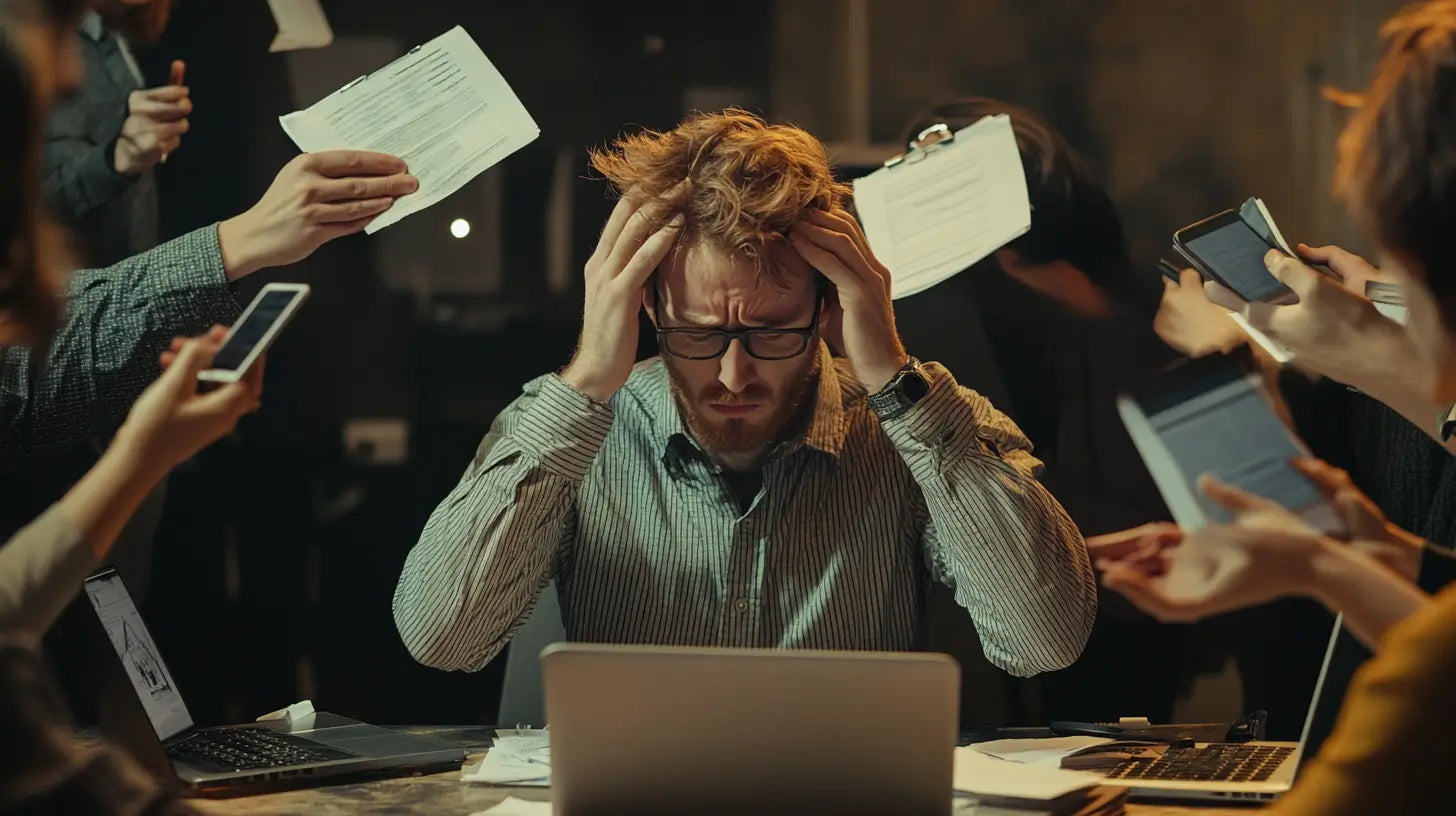
👉 The more information people get, the more anxious they become — but not necessarily clearer on what's actually happening.
Why Some "Old Tools" Are Actually More Reliable
In an age built on the internet, it's easy to overlook a simple fact:
👉 Not all technology is equally fragile.
Take radio broadcasting.
The technology isn't new, but it has a few key traits:
- Wide coverage area
- Minimal infrastructure dependency
- Strong resistance to interference
In certain situations, this "simple" system is actually more dependable.
That's why, in some extreme environments, people fall back on these tools.
Not because they're advanced — but because they're stable.
Part 5: What Really Sets People Apart Is "Sense of Timing"
At this point, we can get to something more fundamental:
👉 The biggest gap between ordinary people isn't resources — it's rhythm.
In the same information environment, different people react in completely different ways:
- Some act immediately
- Some stop and observe
- Some wait for more information
None of these is absolutely right or wrong.
But the difference behind them is a critical skill:
👉 Whether you can control the speed of your own reactions
In many situations, "slowing down" is actually safer.
Because:
- You can see how things develop
- You can avoid going down the wrong path
- You can let others make the first mistakes
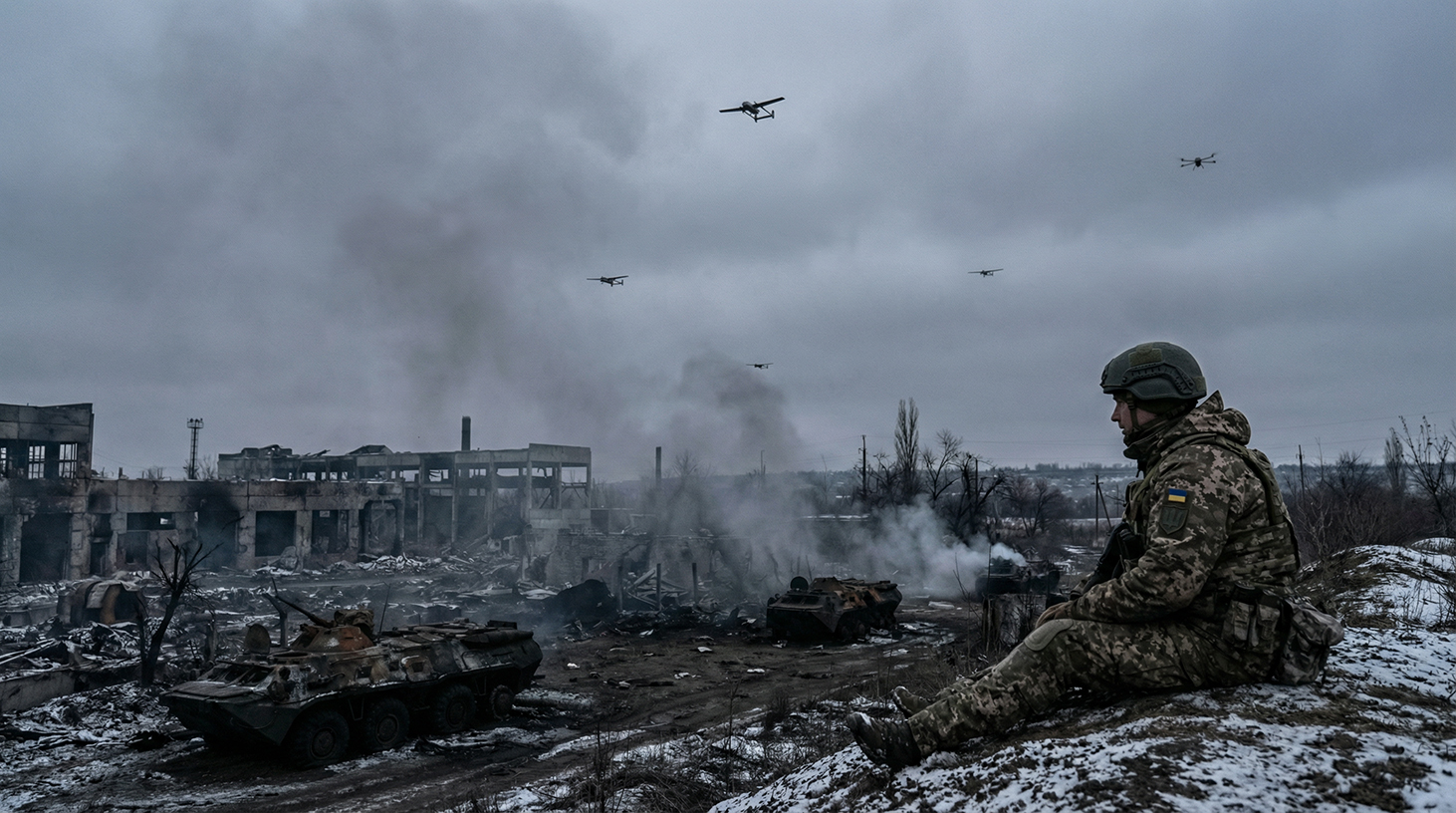
Many People Don't Fail Because They Did the Wrong Thing — They Fail Because They Moved Too Fast
This is an easy one to miss.
For example:
- Leaving too early → getting stuck in gridlock
- Stockpiling too fast → buying things you don't actually need
- Sharing too quickly → amplifying misinformation
What all of these have in common:
👉 Fast decisions, insufficient judgment
The more effective approach is:
👉 At critical moments, delay your reaction
Even a few extra minutes of thinking can change the path you end up on.
Part 6: What You Actually Need Isn't to Be "Stronger" — It's to Be "More Stable"
A lot of people ask:
👉 "What can an ordinary person even do?"
That question carries a hidden assumption —
that you need to do something impressive to cope.
But reality looks more like this:
👉 You don't need to be stronger than everyone else. You just need to not get swept away.
What does that mean in practice?
- Don't blindly follow the crowd
- Don't let emotion drive your decisions
- Don't make extreme choices
Sounds simple. In real conditions, it's genuinely hard.
Because what you're up against isn't "information" — it's atmosphere.
When the people around you start to panic, act, and spread things around,
your job is to hold onto a kind of inner steadiness.
One Last Image
Picture this:
Things outside are a bit chaotic. Some information is unclear.
People are talking, people are moving, people are anxious.
And you're standing somewhere, not reacting right away.
You take a look around, confirm where you are, think through a few possible paths.
Then you start moving.
What you end up doing might not look that different from everyone else.
But the order is different.
And a lot of the time, the order determines the outcome.
One Last Thing
If that day ever comes, the most important thing for an ordinary person isn't to move faster or prepare more.
It's this:
👉 When everyone else is being pushed by the environment, you can still choose your own direction.
That's the difference.
📝 本文来自抖文 www.douwen.me ,转载请保留出处。
原文链接:https://douwen.me/archives/80/
💬 评论 (0)
还没有评论,来说两句吧 ✍️