Just Three Moves to Justice: How Dou E's Injustice Was Finally Overturned
Just Three Moves to Justice: How Dou E's Injustice Was Finally Overturned
In the brilliant constellation of Yuan-dynasty zaju drama, Guan Hanqing's The Injustice to Dou E is undoubtedly the brightest star. With its deep social critique and moving tragic force, the work has endured through the ages. Dou E's wrongs are heart-rending; in the story, her injustice is eventually overturned through just three moves, in a sequence that feels deeply cathartic. The meanings behind those three moves deserve a closer look.
Move One: Dou E's Dying Vows

As she was led to the execution ground, Dou E swore three vows: blood would spurt onto a white silk banner, snow would fall in the sixth lunar month, and the region would suffer three years of drought. The vows seem absurd, but in extreme injustice they were Dou E's furious indictment of Heaven and Earth, and a desperate appeal to supernatural forces to prove her innocence.
The blood-on-white-silk vow asked that when she was beheaded, her hot blood would fly onto a white silk banner overhead without touching a speck of dust. In ancient times, people held special beliefs about blood — that it was the essence of life. By splashing onto the silk, her blood would present her injustice as pure and stainless before the world. At the moment of execution, blood did indeed leap onto the white silk; the strange phenomenon shocked everyone. It evoked deeper sympathy and doubt among the onlookers about her case, planting the seeds of redress.
The sixth-month-snow vow asked for a snowfall in the heat of summer to cover her corpse. The sixth lunar month is high summer, and snow defies natural order. Yet Dou E believed her injustice could move Heaven to send snow. When snow really fell from a sixth-month sky, the whole world seemed enveloped in her grief. The supernatural event caused an uproar; people throughout the region whispered about the depth of her injustice, making her case widely known and putting tremendous public pressure on the local authorities.
The three-year-drought vow was paid for by the suffering of ordinary people. Through extreme natural disaster, she hoped officials and the wider public would finally recognize her wrong. Cruel as the vow seems, in Dou E's eyes only this could draw enough attention. Three years of drought devastated fields, brought hardship to commoners, and tied her injustice to the fate of an entire region. The authorities could no longer avoid revisiting her case, paving the way for redress.
Move Two: The Return of Dou Tianzhang
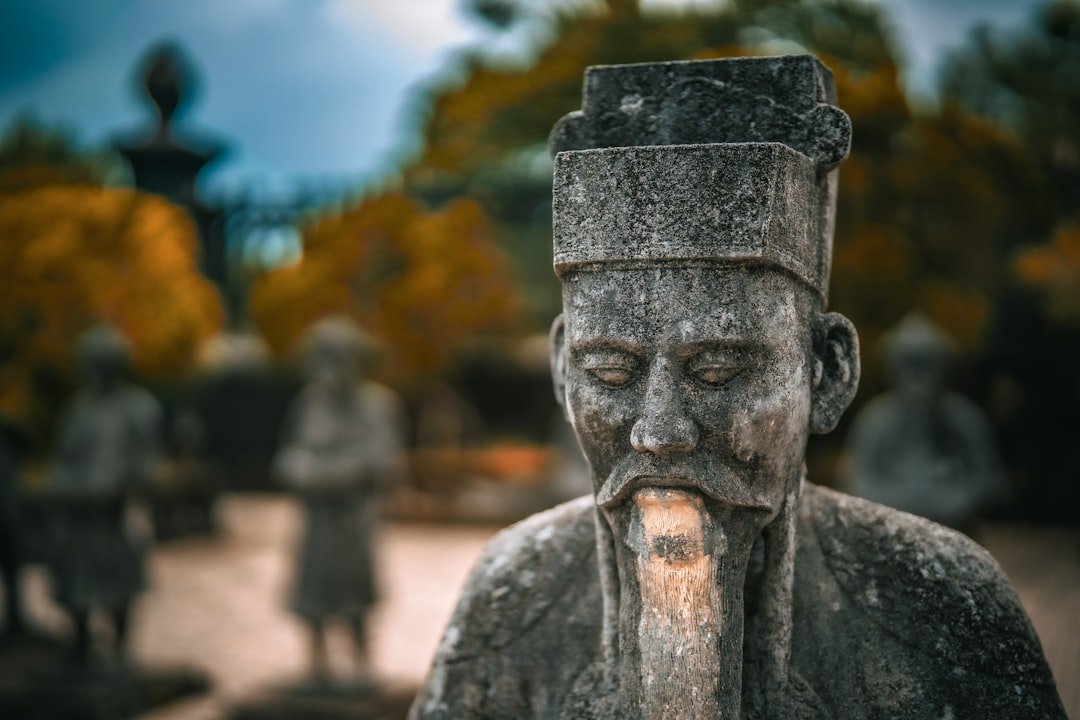
Dou E's father, Dou Tianzhang, was a well-read scholar. In his early years, driven by poverty, he sold his young daughter to Granny Cai as a child bride and headed to the capital to take the imperial exams. Years later he won the top rank — zhuangyuan — and became a senior official.
Dou Tianzhang's return was the turning point. As an official he held to principles of fairness and integrity and had sharp judgement on cases. The moment he learned of his daughter's case, he opened an investigation. Using his office and his network, he combed through volumes of case records and visited many witnesses. He found numerous doubts: Zhang Lü'er's testimony was full of holes, and the local court had been clearly sloppy and unjust in trial.
His status and rank were decisive in the reversal. As an appointed court official he had higher authority and more resources, and could directly intervene in local cases. He reopened the case, retried the relevant parties, and conducted a thorough probe. He stood firm against power and ignored worldly pressure, intent only on uncovering the truth and clearing his daughter. His persistence laid a solid foundation for the eventual redress.
Move Three: The Truth Comes Out and Justice Prevails

Under Dou Tianzhang's tireless effort, the truth gradually surfaced. Zhang Lü'er, scheming to claim Dou E for himself, had framed her. He poisoned a bowl of mutton-tripe soup intending to kill Granny Cai, but accidentally killed his own father instead. He then bribed the local officials and pinned the crime on Dou E.
When the truth was finally laid bare, Dou E's injustice was righted at last. The officials who had taken bribes and treated lives recklessly were punished as deserved, and Zhang Lü'er paid for his evil. Justice was upheld, and Dou E's spirit could finally rest.
Throughout the process, the dignity of the law was preserved. Dou Tianzhang retried the case strictly by legal procedure, letting no detail slip. He rendered a fair verdict on evidence and facts. This not only cleared Dou E's name but also sent an important message to society: the law is just, and every injustice has a chance to be set right. It also served as a warning to corrupt officials of the time — they could not take lives lightly and had to follow the law.
What Dou E's Redress Tells Us About Ancient Justice

Though only three moves were needed to overturn Dou E's case, the process reveals many problems in the ancient justice system. Her dying vows show that when commoners suffered injustice they often had no faith in officialdom and could only pin hopes on supernatural forces. This points to a flawed judicial system and serious corruption. Dou Tianzhang's intervention shows that in ancient society, personal status and rank weighed heavily in how cases were handled. Without an official like him, Dou E's wrongs might never have been redressed.
At the same time, the redress shows the power of justice. Difficult as the road was, justice ultimately prevailed over evil. It prompts us to think how, in modern society, we should better uphold judicial fairness. We have far more complete legal systems and oversight today, but we still need constant effort to ensure every case is tried fairly and every wrong is righted in time.
Conclusion: An Inspiration Across Time
The three-move redress of Dou E's injustice leaves a deep impression. It is not just a stage story but a profound reflection on the law, justice, and human nature of ancient society. From Dou E's despairing vows to her father's relentless investigation and the final unveiling of the truth, the arc reveals the dark side of the past and the tenacious vitality of justice.
In today's world, although our legal system has advanced enormously, the story of Dou E still carries important lessons. It reminds us to stay vigilant against judicial corruption and to ensure fair enforcement of the law. It tells us that justice may be late, but it never fails to arrive. We must hold to a faith in justice, keep improving our social institutions, ensure equal treatment before the law for all, and prevent tragedies like Dou E's from ever happening again.
📝 本文来自抖文 www.douwen.me ,转载请保留出处。
原文链接:https://douwen.me/archives/792/
💬 评论 (0)
还没有评论,来说两句吧 ✍️