What If the Ancient Silk Road Never Existed? A Counterfactual on Economy and Everyday Life
A Picture of the Ancient Economy and Daily Life Without the Silk Road
The Silk Road, that trade artery connecting East and West, played a pivotal role in ancient history. It was not just a conduit for goods but also a bridge for cultural exchange. Had the Silk Road never existed in ancient times, the impact on the economy and daily life would have been profound and far-reaching.
Shrinking Trade: A Decline in Commercial Vitality
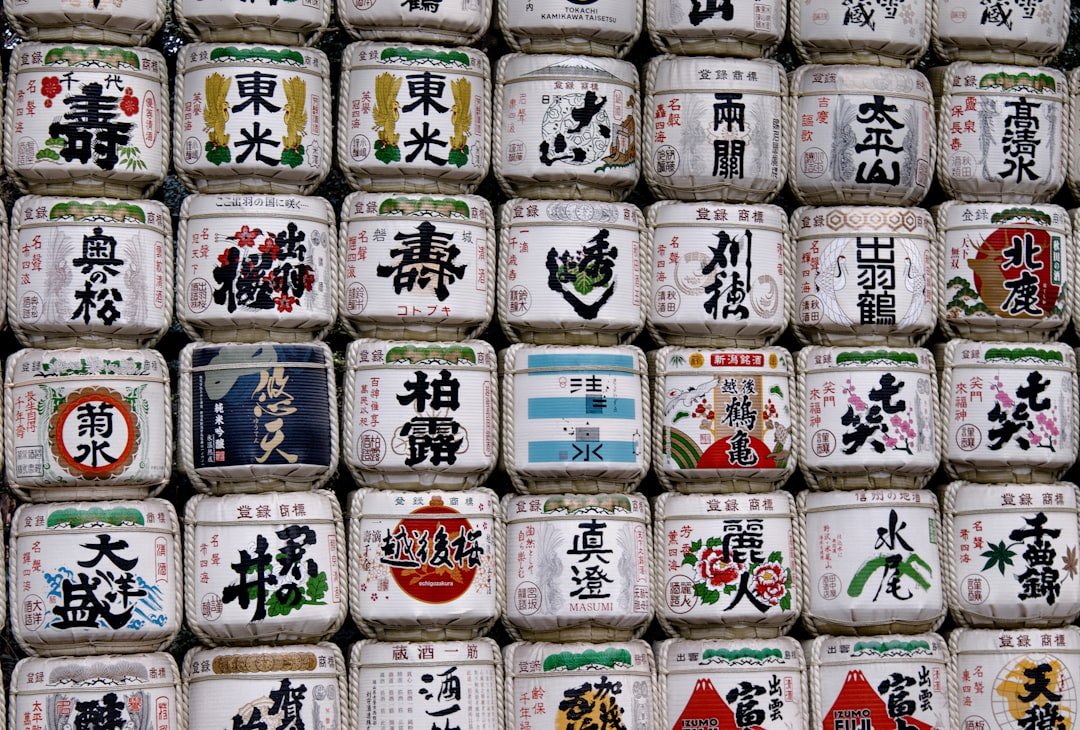
The Silk Road dramatically boosted trade between East and West. Take the Han dynasty: after Zhang Qian's mission to the Western Regions, the Silk Road gradually flourished. Chinese silk, tea, and porcelain flowed steadily westward and were beloved by Roman nobles and others. Rome at one point was so obsessed with Chinese silk that prices reportedly matched gold. Historical records say Roman aristocrats spent fortunes on silk, making the silk trade extraordinarily profitable. China in turn imported grapes, alfalfa, and fine horses from the west. Without the Silk Road, none of this trade would have existed.
China's silk industry would have suffered heavily. Silk production was a major handicraft in ancient times, sustaining countless farmers and artisans. Without the Western market, silk demand would have plummeted, many workshops would have closed, and large numbers of workers would have been jobless. As for commerce, cities like Chang'an and Dunhuang along the Silk Road were bustling trade hubs full of merchants. Without the Silk Road's support, commerce in these cities would have shrunk dramatically — shops would have closed, merchants would have changed trades, and the urban prosperity would have faded along with overall economic vitality.
Stunted Agricultural Development: A Halt in Crops and Technology Exchange
The Silk Road also spurred exchange of crops and agricultural techniques. Grapes, pomegranates, and other fruits entered China via the Silk Road, enriching the variety of Chinese fruits. Grape cultivation gradually spread in China, and wine-making techniques developed. Meanwhile, advanced irrigation methods from the Western Regions, such as the karez (qanat) system, reached parts of China, improving local agricultural conditions.
Without the Silk Road, these crops would never have been introduced. China's fruit varieties would have remained relatively limited, and dietary options for ordinary people would have shrunk. Agricultural technology exchange would have stalled, making it harder for some Chinese regions to raise productivity. In arid areas, without imported irrigation techniques, farmland irrigation challenges would have been worse, crop yields harder to lift, and farmers' incomes squeezed. This would have hurt not only farmers' living standards but also national food security and economic foundations.
A Cultural Vacuum: The Absence of Multicultural Fusion
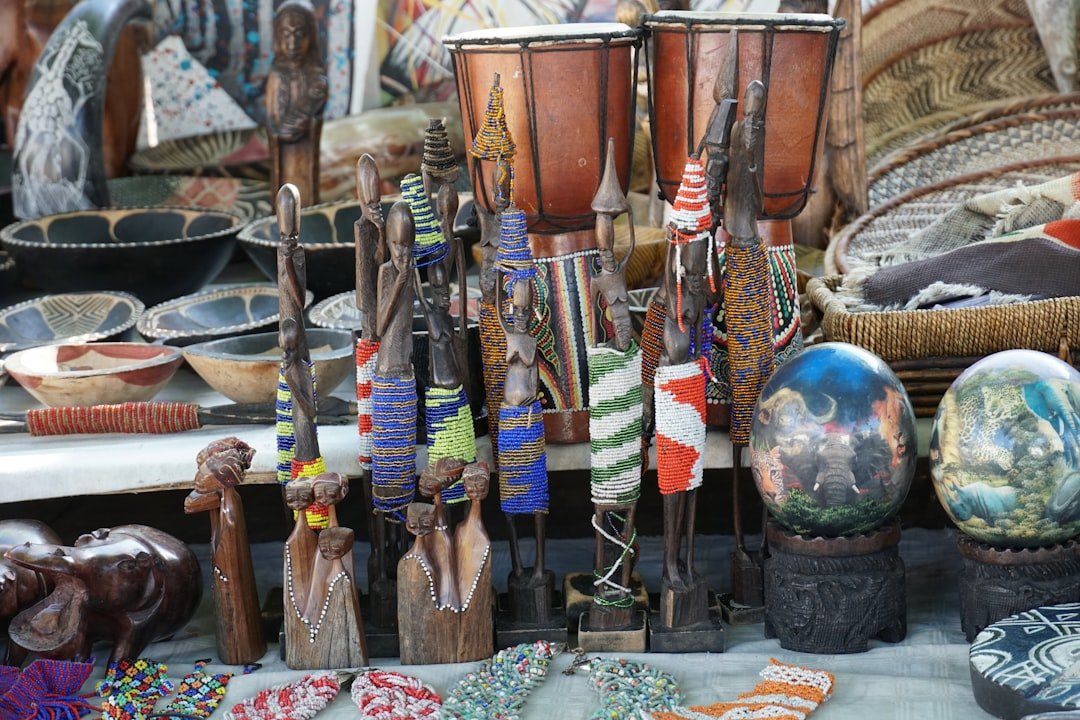
The Silk Road was also a major channel for cultural exchange. Buddhism reached China through the Silk Road and profoundly influenced Chinese philosophy, literature, and art. Take Buddhist art: the murals and sculptures at the Mogao Caves in Dunhuang fused Chinese and Western artistic styles, becoming jewels of world art. Indian Buddhist philosophy, once introduced, collided and merged with Chinese Confucian and Taoist thought, giving rise to new philosophical currents and enriching Chinese spiritual life.
Western music, dance, and painting also reached China along the Silk Road, injecting fresh vitality into Chinese artistic development. Without the Silk Road, Buddhism might have struggled to spread to China on a large scale, leaving the Chinese philosophical system missing key components. Art would have lost much of its foreign inspiration, and styles might have grown more homogeneous. Chinese culture would also have had a hard time spreading west, and the world's understanding of Chinese culture would have shrunk greatly, severely impacting cultural diversity and richness.
Shifting Political Landscape: A Reshaping of Diplomacy and International Relations

The Silk Road also greatly shaped China's ancient political landscape. Through its operation of the Silk Road, the Han dynasty strengthened control over and influence in the Western Regions. During Emperor Wu's reign, the Protectorate of the Western Regions was set up to safeguard the road and expand Han territory and influence. The Silk Road fostered political exchange and cooperation between the Han and the various states of the Western Regions, forming a kind of political alliance.
Without the Silk Road, ties between China and the Western Regions would have been weaker, and Chinese political influence harder to project. The Western Regions might have formed a relatively independent political bloc, with looser ties to the Central Plains dynasties. Diplomatically, China would have lost a key channel for engaging the West and struggled to connect with great powers like Rome. This could have lowered China's clout in the international arena and left it with fewer options in managing foreign relations. Without the economic benefits and strategic value the Silk Road brought, Central Plains dynasties might have placed less emphasis on the Western Regions, shifting regional balances of power.
Slower Scientific Progress: Obstacles to Tech Transfer and Innovation
The Silk Road accelerated the spread of science and technology. China's papermaking, printing, and gunpowder gradually reached the West along the Silk Road, with revolutionary impact on Western culture, education, and military affairs. Western astronomy, calendars, and medicine in turn entered China. Arabic medical knowledge, for instance, enriched Chinese medical theory and practice.
Without the Silk Road, the spread of these technologies would have hit major obstacles. China's Four Great Inventions might not have reached the West in time, and Western tech development might have lagged, with huge implications for world history. China likewise would have struggled to absorb advanced Western scientific knowledge, slowing progress in astronomy, medicine, and other fields. Slower scientific progress would have further hindered social progress and economic growth, since science is a key driver of productivity.
Summary and Reflection
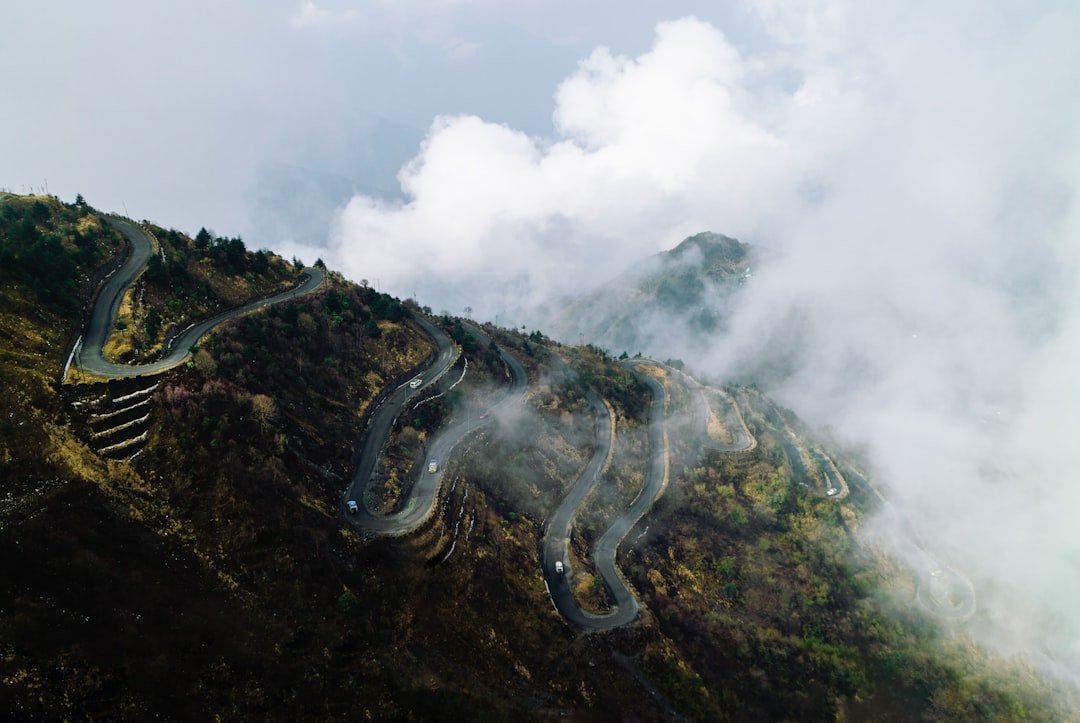
The absence of the Silk Road would have inflicted massive negative impact on ancient China's economy, agriculture, culture, politics, and science. Economically, commerce would have shrunk and agriculture stagnated; culturally, multicultural fusion would have been missing; politically, diplomacy and international relations would have been reshaped; technologically, progress would have slowed. This makes clear how vital exchange and cooperation are. The Silk Road was more than a trade route — it was a bond connecting different civilizations. It enabled resource complementarity, mutual cultural learning, and shared technology across regions.
In today's globalized era we should value exchange and cooperation all the more. Engagement between countries and regions brings more development opportunities and shared prosperity. From the glory and counterfactual costs of the ancient Silk Road, we can draw lessons — to cherish and protect today's platforms for exchange and cooperation, and to push human civilization forward together.
📝 本文来自抖文 www.douwen.me ,转载请保留出处。
原文链接:https://douwen.me/archives/791/
💬 评论 (0)
还没有评论,来说两句吧 ✍️