The Most Shocking Wrongful Conviction Reversals in Chinese History
The Most Astounding Miscarriage of Justice Reversals in Chinese History: Beyond the Case of Dou E's Grievance
Throughout China's long and tumultuous history, miscarriages of justice have been commonplace—some serving as sacrifices in political struggles, others born from judicial corruption. Yet some of these wrongful cases, after twists and turns, experienced shocking reversals whose circumstances were so bizarre and outcomes so unexpected that they read like magnificent historical dramas. These reversals not only reveal the complexity of history but also bear witness to the power of justice, however delayed. Let us together explore these heart-wrenching tales of miscarriage reversals.
The Han Dynasty "Tiwying Saves Her Father": When a Young Woman Rewrote Judicial History

During the reign of Han Emperor Wen, Chunyu Yi, the administrator of the granary, was highly skilled in medicine but fell into disfavor by refusing to treat royal princes and nobility. He was falsely accused and imprisoned. According to the law of the time, he should have suffered corporal punishment such as tattooing the face, cutting off the nose, or severing the feet. Chunyu Yi had five daughters, and his youngest, Tiwying, followed her father to Chang'an to petition Emperor Wen with a memorial. Her words were deeply moving; she stated her willingness to suffer the punishment in her father's stead, asking only that her father be given a chance to reform. Emperor Wen was so moved by Tiwying's filial piety that he not only pardoned Chunyu Yi but also issued an edict abolishing corporal punishment. While this event appears to be merely a touching story of a daughter saving her father, it was in fact a reversal of a grave miscarriage of justice. Chunyu Yi, falsely accused, faced brutal punishment, yet Tiwying's courageous petition changed his fate. Moreover, it prompted reforms in Han judicial systems, marking an important step in China's ancient transition from barbaric to civilized punishment. A frail young woman challenged the judicial system of her time and ultimately achieved a reversal of justice, her deeds recorded in history and transmitted as an inspiring tale for posterity.
The Tang Dynasty "Fang Yi'ai's Treason Case": The Rise and Fall of Injustice in Political Turmoil
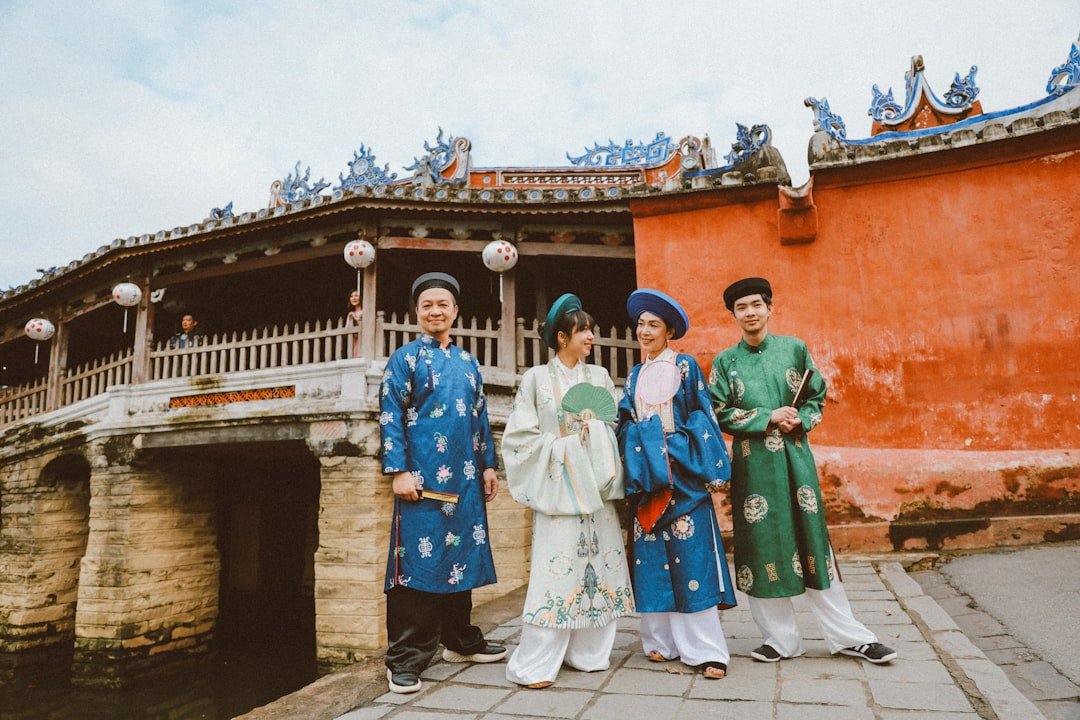
During the Zhenguan era of the Tang Dynasty, Fang Yi'ai, son of the renowned minister Fang Xuanling, married Princess Gaoyang, daughter of Emperor Taizong. The princess was arrogant and spoiled, and Fang Yi'ai became entangled in palace power struggles. During the Yonghui era, Fang Yi'ai was accused of treason and, together with Princess Gaoyang, was ordered to commit suicide. The case implicated many others; numerous nobles and court officials including Xue Wanche and Chai Lingwu were executed, and imperial relatives such as Prince Li Ke of Wu also perished unjustly. However, behind this alleged treason lay complex political circumstances. When Emperor Gaozong of Tang ascended the throne, his power was unstable, and powerful eunuchs like Changsun Wuji used the Fang Yi'ai case to eliminate rivals and consolidate their authority. Later, as the political situation shifted, people began to reexamine the case. Though Fang Yi'ai and others were never completely exonerated during their lifetimes, modern historical research reveals numerous suspicious aspects of the case, suggesting they were likely victims of political maneuvering. Though their grievances were not fully vindicated at the time, subsequent reinterpretations of this case reveal hidden truths and the complex factors behind miscarriage reversals, allowing us to perceive the reality concealed by history.
The Northern Song Dynasty "Crow Terrace Poetry Case": The Suffering and Turning Point of a Literary Man
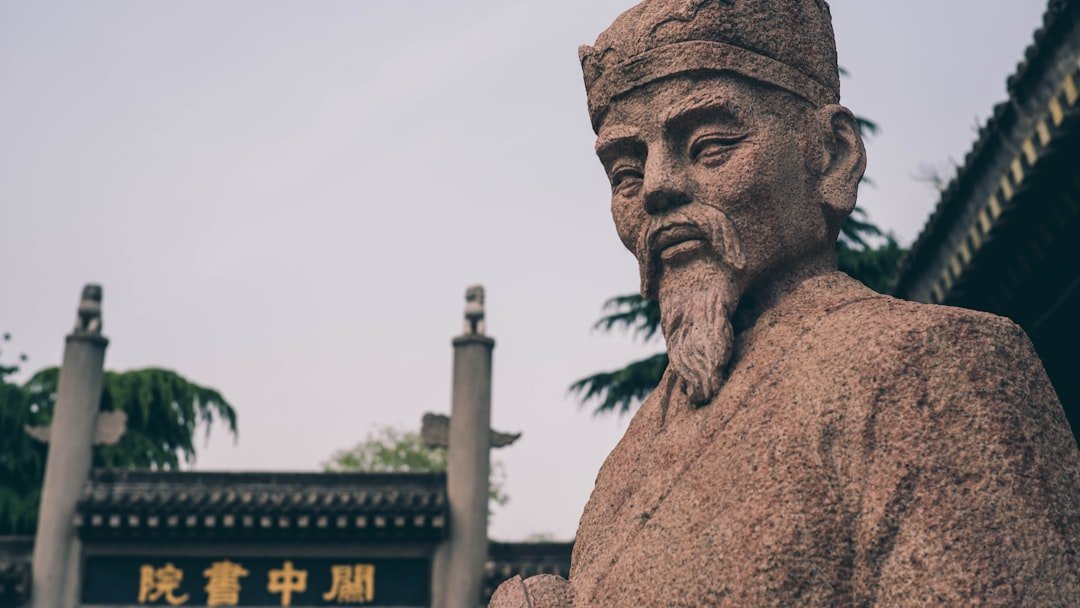
In the second year of the Yuanfeng era of Northern Song, Su Shi was arrested and imprisoned for allegedly writing poems that mocked the court and opposed new policies—the famous "Crow Terrace Poetry Case." Su Shi endured torture in prison, and the New Party sought his death. The case shocked both court and commoners; many Old Party officials petitioned for Su Shi's release. Even the retired Wang Anshi wrote to Emperor Shenzong, asking, "How could the sage dynasty execute a talented scholar?" Under mounting pressure, Su Shi was ultimately demoted to a deputy military commissioner in Huangzhou, sparing his life. While appearing to be the result of factional strife, this case was fundamentally a persecution of Su Shi for his words. His poetry and prose were personal expressions of emotion and opinion, yet those with ulterior motives distorted them for their own purposes. After the "Crow Terrace Poetry Case," Su Shi's life underwent profound transformation, though his literary creation entered a new realm. From the perspective of miscarriage reversal, though Su Shi was never fully exonerated, escaping death marked a turning point in his fate. This case also reflects the complexity of Song political ecology and the helplessness and struggle of literati caught in political turmoil.
The Ming Dynasty "Yu Qian's Case": The Injustice of a Loyal Minister and the Path to Vindication
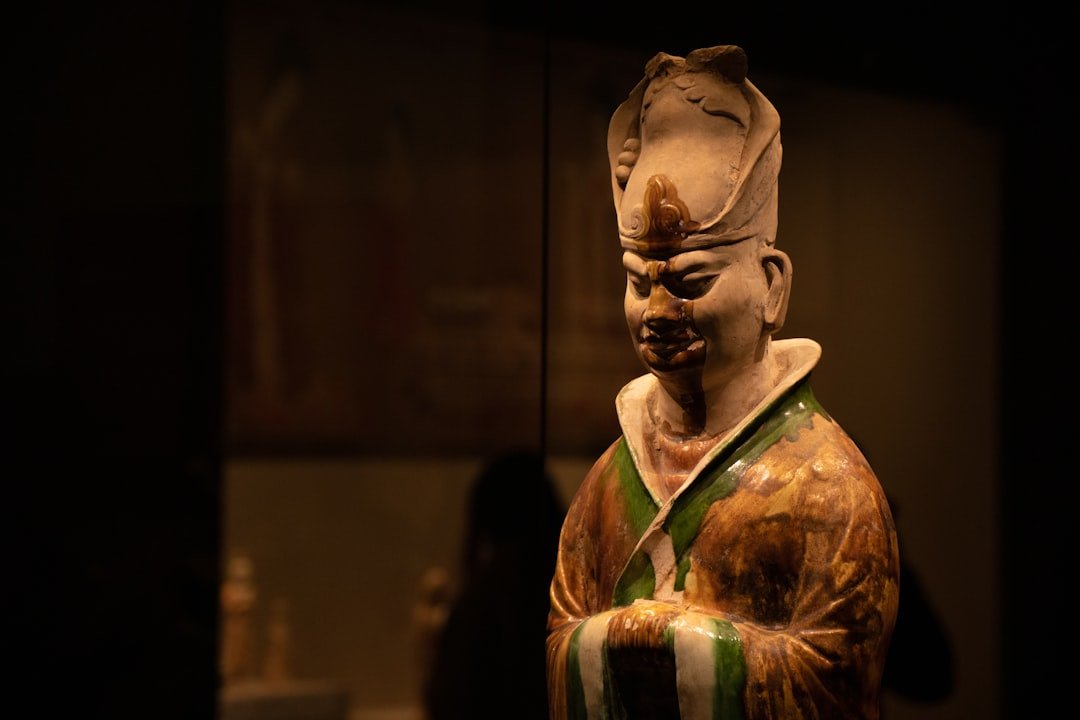
During the reign of Ming Emperor Dazong, Zhu Qiyu, Yu Qian turned the tide, organizing the defense of Beijing and successfully resisting the Oirat invasion, preserving the Ming Dynasty. However, in the eighth year of the Jingtai era, Emperor Yingzong, Zhu Qizhen, launched the Coup at the Gate, returning to the throne. Xu Youde, Shi Heng, and others, seeking to eliminate Yu Qian, falsely accused him of plotting to enthrone a foreign prince. Yu Qian was arrested and ultimately executed unjustly. After his death, all people grieved his fate. When Emperor Xianzong, son of Yingzong, ascended the throne, he posthumously exonerated Yu Qian, declaring him a national hero and stating that "when the state faced numerous difficulties, you alone preserved our society from peril, and thus became the target of villainous plotters' jealousy. Our late father already knew of your injustice, and I truly pity your loyalty." Yu Qian's transformation from a "criminal" accused of treason to an exonerated national hero represents a miscarriage reversal fraught with obstacles. His experience reflects the cruelty of factional struggle in the Ming court, while his ultimate vindication demonstrates the eternal truth that justice cannot long remain obscured. Yu Qian's case reversal is a significant event in Ming history, revealing the integrity of loyal and virtuous ministers and allowing posterity deeper understanding of that era.
The Qing Dynasty "Yang Naifu and Little White Vegetable Case": The Great Test of Late Qing Judicial System and Its Reversal
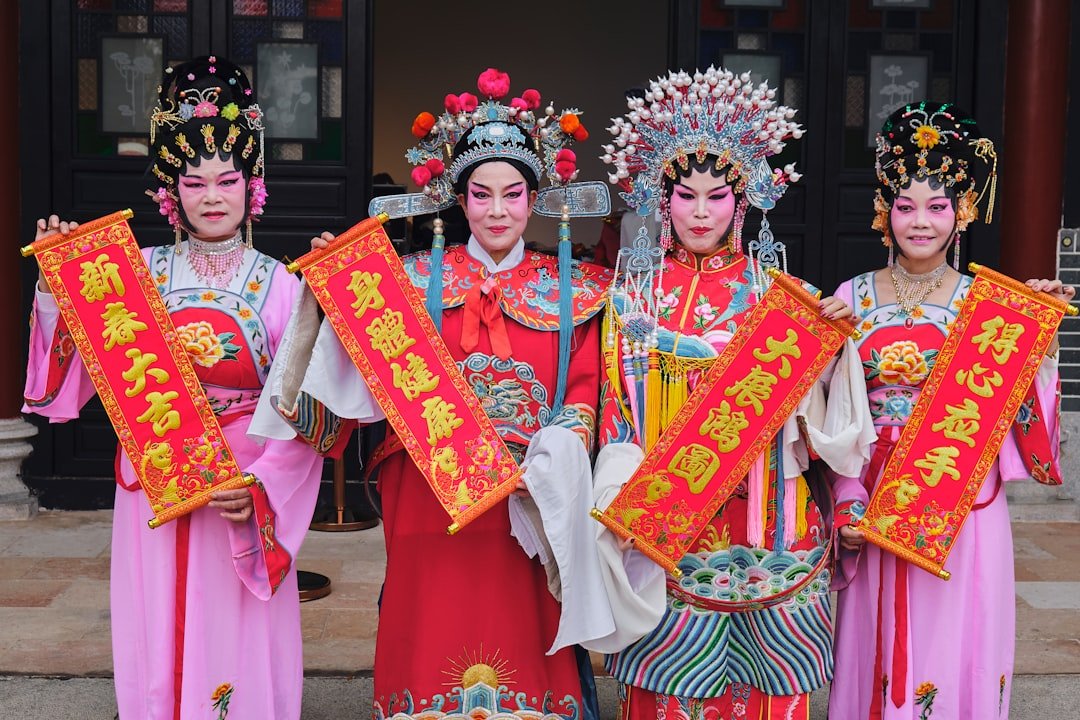
During the Tongzhi and Guangxu eras of the Qing Dynasty, Yang Naifu and "Little White Vegetable" (Bi Xiugu) were falsely accused of adultery and murder. Little White Vegetable's husband, Ge Pinlian, died of illness, but County Magistrate Liu Xitong suspected an affair between Yang and the widow. Through torture, both confessed under duress. Though the case was reviewed multiple times after being reported, official corruption and mutual protection prevented vindication. Yang Naifu's sister Yang Shuying repeatedly petitioned the capital, drawing widespread public attention. Finally, with imperial intervention, the case was retried. Through autopsy evidence, it was proven that Ge Pinlian died of natural causes, and Yang Naifu and Little White Vegetable were completely exonerated. The case, spanning years and involving numerous officials, exemplifies judicial corruption in late Qing times. Its reversal was fraught with setbacks—from initial miscarriage formation, through repeated failed appeals, to eventual revelation of truth. It reflects the darkness of late Qing society and flaws in the judicial system while prompting the Qing government to reconsider and reform its judicial institutions, advancing Chinese modern judicial progress to some extent.
Conclusion: Historical Lessons Behind Miscarriage Reversals
These astounding miscarriage reversals throughout Chinese history function as mirrors, reflecting the political, judicial, and social conditions of different dynasties. From Tiwying's salvation of her father prompting judicial reform to the Yang-Little White Vegetable case spurring late Qing judicial reflection, these reversals transcend individual fate to profoundly influence historical development. They demonstrate that while justice may be delayed, throughout history's long expanse, reversal remains possible. Simultaneously, these cases reveal how power struggles and judicial corruption erode justice. We must draw lessons from history, continuously improving judicial systems and safeguarding citizens' rights, ensuring that justice is not obscured and miscarriages do not easily occur. In contemporary society, reviewing these historical reversals heightens our appreciation for the hard-won legal environment we enjoy, motivating us to ceaselessly strive for fairness and justice.
📝 本文来自抖文 www.douwen.me ,转载请保留出处。
原文链接:https://douwen.me/archives/652/
💬 评论 (5)
This is a fascinating exploration of judicial history. I've always wondered how many innocent people were condemned in ancient China before modern review processes existed. The reference to Dou E's Grievance is particularly poignant—that tale has haunted Chinese literature for centuries.
Great article but I have a question: what timeframe are we talking about here? Are these reversals from the imperial era, or more recent cases? The excerpt cuts off right when it's getting interesting! Please tell me there's a full version.
"Miscarriages of justice have been commonplace"—understatement of the century. Makes you wonder how many reversals actually happened versus how many innocent people just... disappeared from history entirely.
My grandfather studied classical Chinese law and he always said the system was better than Westerners think, but also deeply flawed. This validates what he taught me. Would love to see how many wrongful convictions were actually overturned versus the total number of cases.
The fact that some of these cases became famous enough to be remembered through literature and history is both beautiful and tragic. At least Dou E's story lived on to remind us of injustice, even if she herself couldn't be brought back to life. Haunting but necessary reading.