The Devastating Truth About Pompeii's Destruction That Will Shatter Everything You Know
Subverting Assumptions: The Unexpected Truth Behind Pompeii's Destruction
Pompeii, a once-thriving Roman city, was suddenly buried by the eruption of Mount Vesuvius in 79 AD, becoming a historical relic and leaving countless mysteries and speculations for posterity. For a long time, the public has held certain fixed beliefs about Pompeii's destruction. However, as archaeological research deepens, some truly unexpected truths are gradually coming to light.
Pompeii: Its Former Glory
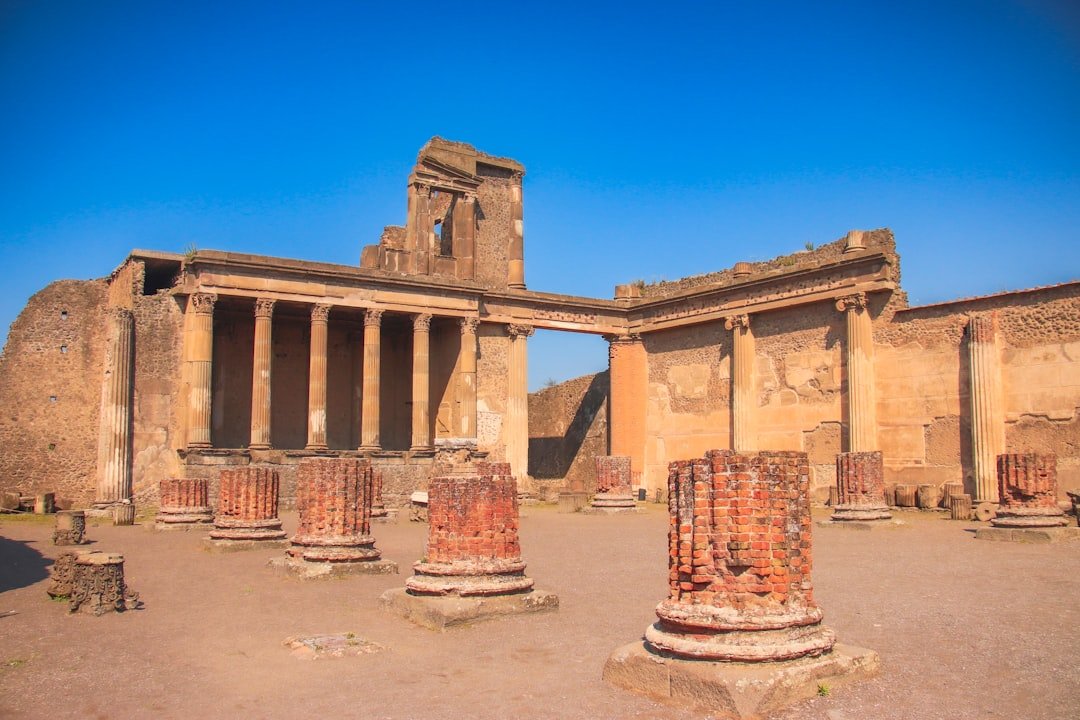
Pompeii was located near Naples in southern Italy, at the foot of Mount Vesuvius. During the Roman Empire period, it was a prosperous commercial city and vacation destination. As early as the 8th century BC, Pompeii was already inhabited, and later was occupied by the Romans and gradually developed into a major city.
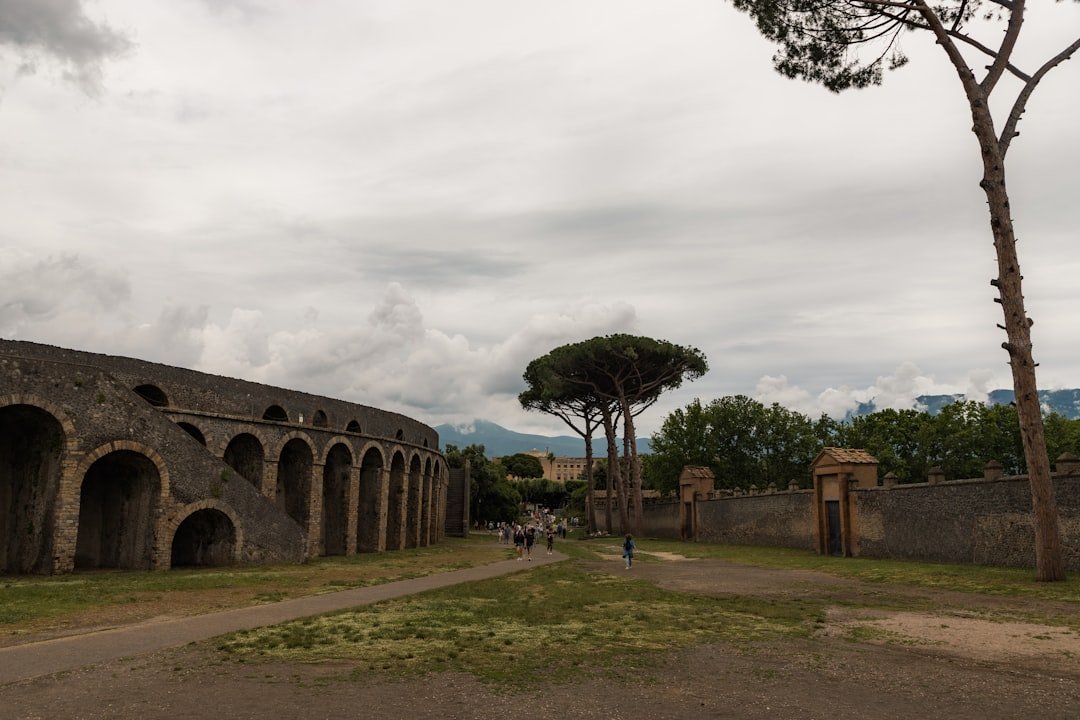
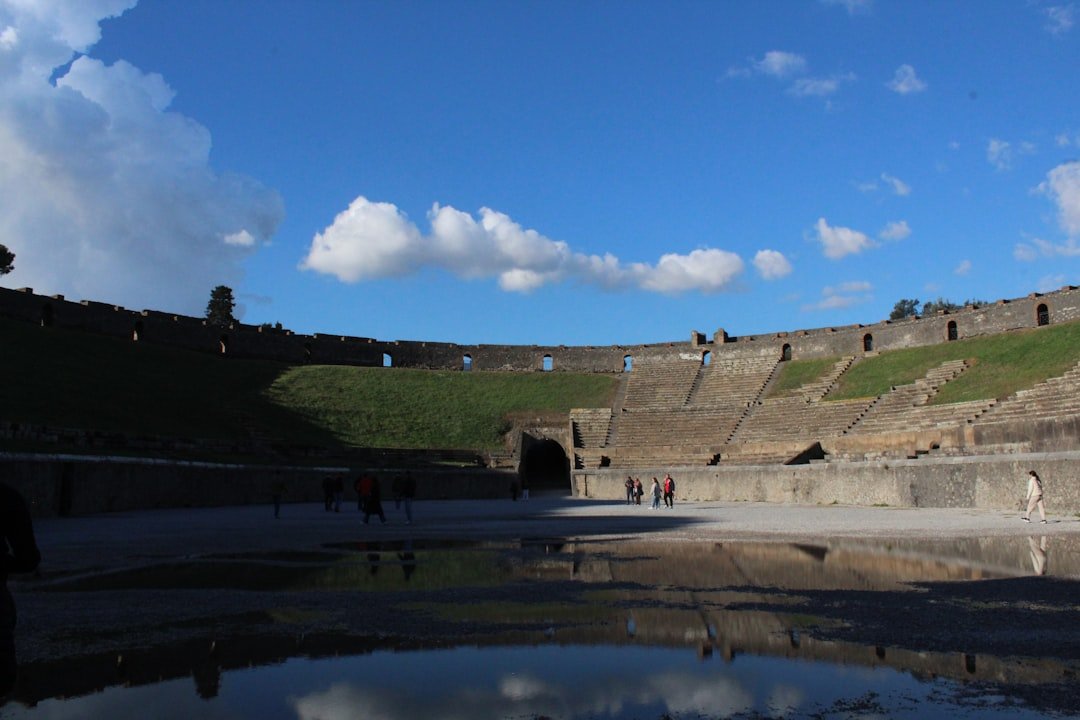
The architectural style of Pompeii blended Greek and Roman characteristics. The city's layout was orderly, with streets arranged in a grid pattern, and public buildings were magnificent and impressive. Among them, the amphitheater was one of Pompeii's signature structures, capable of accommodating more than twenty thousand spectators and frequently hosting gladiator fights and other entertainment events. The theater was also a favorite destination for citizens, where various theatrical performances and shows were staged. Additionally, Pompeii had many exquisite villas, bathhouses, and temples. These buildings not only demonstrated the superior architectural techniques of the time but also reflected the rich material and spiritual lives of Pompeii's residents.
Pompeii's commerce was also highly developed, with shops, inns, and taverns lining the streets. The existence of a port enabled Pompeii to engage in frequent trade with various parts of the Mediterranean Sea. Wine, olive oil, and handicrafts were the main trade goods. Residents lived relatively wealthy and peaceful lives, with no one anticipating the massive disaster that was about to strike.
Traditional Understanding of Destruction: The Sudden Volcanic Eruption
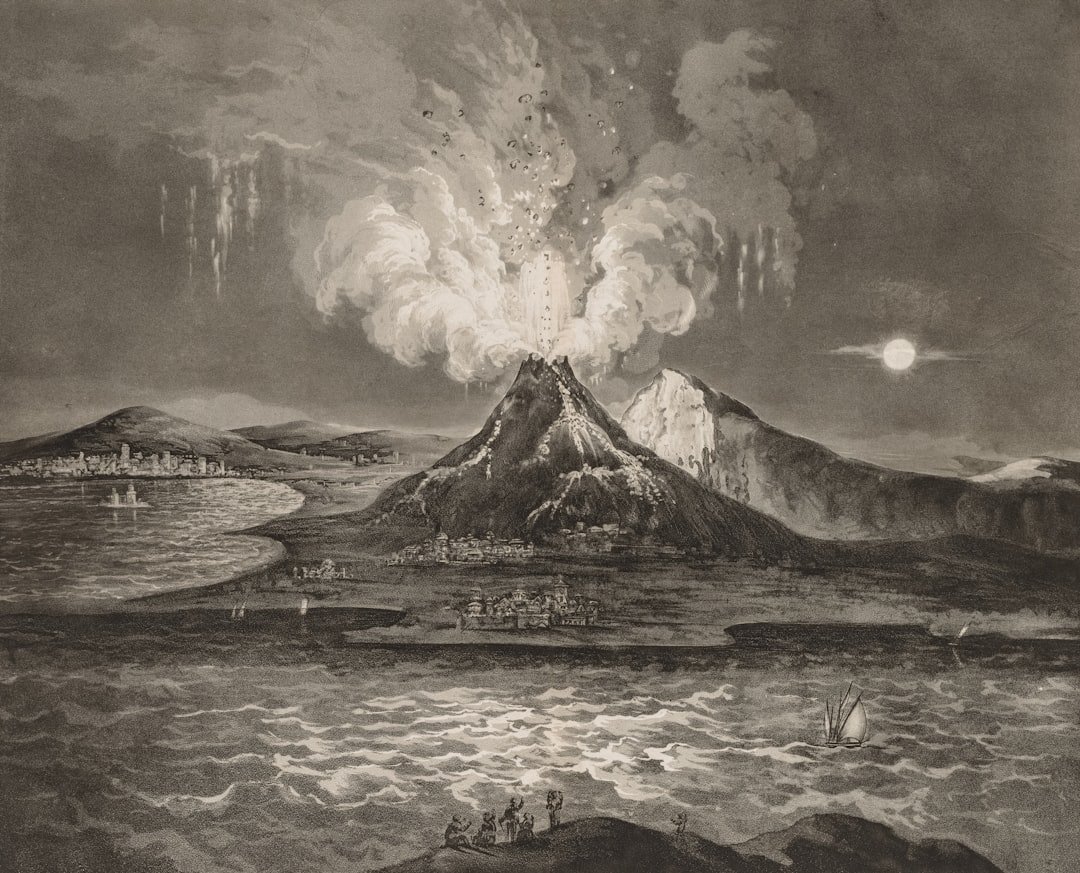
For a long time, people generally believed that Pompeii's destruction was caused by the sudden eruption of Mount Vesuvius. On August 24, 79 AD, Mount Vesuvius erupted without warning, and vast quantities of volcanic ash, lava, and rock fragments instantly engulfed the city of Pompeii.
According to the accounts of the ancient Roman writer Pliny the Younger, who witnessed the disaster from a distance, he described how a massive dark cloud appeared in the sky, shaped like a pine tree. Subsequently, volcanic ash fell like a torrential downpour, the earth shook, the sea receded, and then came a surging flow of volcanic debris. Within a short time, Pompeii was buried under thick layers of volcanic ash. Many residents did not have time to escape and were forever frozen in that moment. The large number of human fossils wrapped in volcanic ash discovered during archaeological excavations seemed to recount the despair and terror of that time.
This viewpoint has become deeply ingrained in people's minds, making Pompeii's destruction seem like a purely natural disaster—a tragedy caused by the irresistible forces of nature. However, recent research suggests that the facts may be far more complex than this simple narrative.
New Evidence: Potential Crises Before Destruction
As archaeological work has progressed, researchers have discovered that before Mount Vesuvius erupted, Pompeii was already facing numerous potential crises.
First, there was the impact of earthquakes. In 62 AD, Pompeii experienced a severe earthquake that caused damage to many buildings in the city. Although some repair work was subsequently undertaken, many buildings were not fully restored to their original condition, and their structural integrity became more fragile. These damaged buildings were more easily destroyed when the volcanic eruption occurred later.
Second, changes in groundwater may have been an important factor. Research indicates that during the period before the volcanic eruption, Pompeii's groundwater levels experienced abnormal fluctuations. This may have been related to volcanic activity, and the groundwater changes could have affected the stability of building foundations, placing some structures in danger even before the eruption.
Additionally, the city's drainage system had problems. Although Pompeii's drainage system was relatively advanced for the time, with the city's development and population growth, it became increasingly overburdened. During the rainy season, waterlogging frequently occurred within the city. This not only affected residents' lives but may have also damaged building foundations, further weakening the city's ability to cope with disasters.
These potential crises indicate that Pompeii was not in an absolutely safe state before the volcanic eruption; rather, it had accumulated many hidden dangers that set the stage for its eventual destruction.
Social Factors: Inadequate Disaster Response
Beyond natural factors, social factors also played an important role in Pompeii's destruction.
From a governmental perspective, although the Roman Empire was powerful at the time, its understanding of volcanic activity was extremely limited. No effective volcanic monitoring and early warning system had been established, making it impossible to predict Mount Vesuvius's eruption in advance. Furthermore, after the earthquake, the Roman government's reconstruction work in Pompeii may have had some problems, with insufficient consideration given to the city's disaster prevention capabilities.
From the residents' perspective, there were also inadequacies in disaster response. Having lived for a long time in a relatively peaceful and comfortable environment, Pompeii's residents lacked awareness and experience in responding to large-scale disasters. When the volcano began to erupt, many people did not promptly take appropriate evacuation measures but instead chose to stay in their homes or attempt to salvage their possessions, missing the best opportunities to escape.
Furthermore, social class differences also influenced people's escape situations to a certain extent. The wealthy class likely had better access to information and transportation, providing more opportunities to flee danger. The poor, on the other hand, were often at a disadvantage, potentially unable to learn about the severity of the disaster in time and lacking sufficient resources to respond.
Subverting Assumptions: Destruction Caused by Combined Factors
Today, an increasing number of scholars believe that Pompeii's destruction was not caused by a single factor but rather resulted from the combined effects of natural and social factors.
The eruption of Mount Vesuvius was the direct cause, but preceding it, natural factors such as earthquakes and groundwater changes had weakened the city's foundation. Government shortcomings in disaster response and residents' own lack of disaster prevention awareness and capacity further exacerbated the consequences of the disaster.
This discovery overturns our previous understanding of attributing Pompeii's destruction solely to the sudden volcanic eruption. It helps us recognize that disasters typically result from the intricate interweaving of multiple factors. When facing natural calamities, human society's response capabilities and preparedness work are of paramount importance.
Conclusion and Reflection
The destruction of Pompeii was a tragedy in human history and a case worth deep study. Through a renewed examination of the truth behind its destruction, we not only gain a more comprehensive understanding of this historical event but also draw valuable lessons from it.
Faced with natural disasters, humanity is small and insignificant, but we can reduce the losses caused by disasters through scientific monitoring, effective early warning systems, and thorough preparedness. Governments should assume their corresponding responsibilities, strengthen research and prevention of natural disasters, and enhance society's overall capacity for disaster prevention and reduction. At the same time, each of us should strengthen our self-protection awareness and learn knowledge and skills for handling disasters.
Although Pompeii has become ruins, the history and lessons it carries will forever remind us to respect nature and stand in awe of it, continuously improving humanity's ability to respond to disasters so that similar tragedies do not occur again.
📝 本文来自抖文 www.douwen.me ,转载请保留出处。
原文链接:https://douwen.me/archives/651/
💬 评论 (5)
This is exactly why I love archaeology—every time we think we have history figured out, new evidence comes along and completely changes the narrative. Can't wait to read the full article!
I've visited Pompeii twice and read extensively about Vesuvius. What specific "devastating truths" are being referenced here? The headline feels clickbaity without seeing the actual evidence presented in the article.
My great-great-grandfather's family was from that region of Italy. Reading about Pompeii always gives me chills—imagining those people going about their day with no idea what was coming. Really powerful stuff.
The framing of this piece as "shattering everything you know" is sensationalist, but I'm genuinely curious about what new archaeological findings are being discussed. The eruption dynamics and pyroclastic flows have been well-documented, so I wonder what assumptions are actually being challenged here?
OMG finally someone talking about this! I always felt like the mainstream narrative didn't add up. Definitely sharing this. More people need to know the REAL story about what happened to Pompeii.