Taboo Secrets Revealed: Ancient Life Truths That History Books Won't Tell You
Taboo Secrets Revealed: Ancient People's Livelihood Truths That History Books Won't Tell You
In the vast ocean of historical texts, we often see the rise and fall of dynasties, the hegemonic ambitions of emperors, and the legends of ministers and generals. However, behind these grand narratives, the lives of ordinary people in ancient times are often glossed over with a mere mention. Today, let us unveil the mysteries of history and explore those ancient truths about people's livelihoods that history books will not tell you, using Gao Lishi of the Tang Dynasty as an example, to glimpse the social panorama of that era.
Urban Life During the Era of Gao Lishi
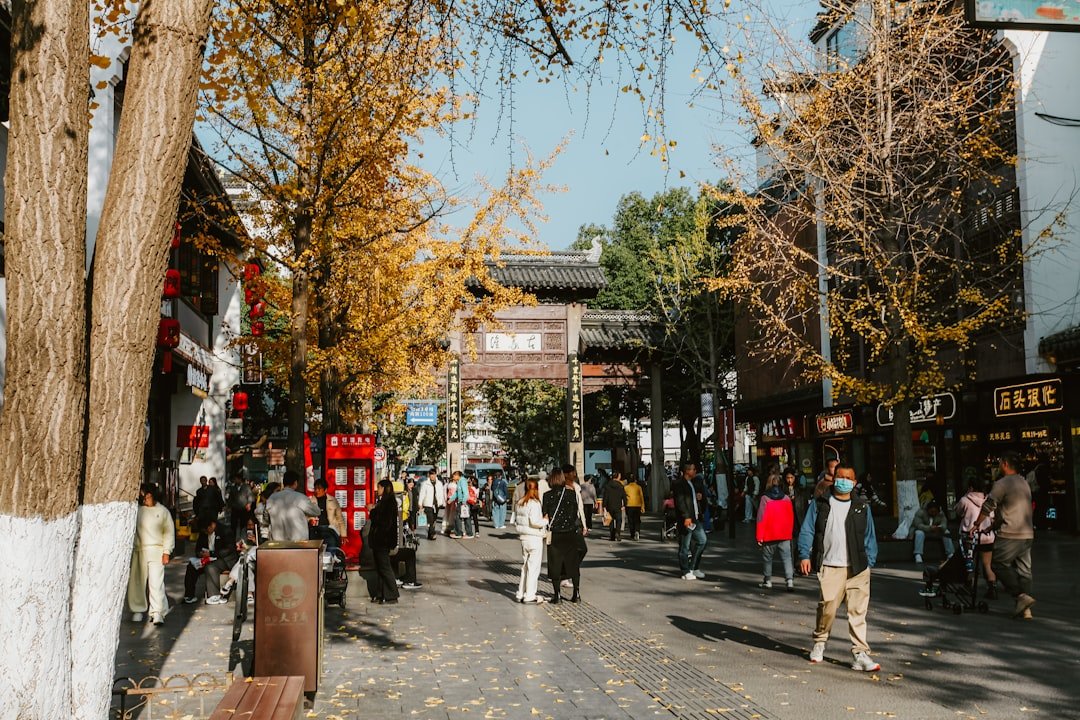
Gao Lishi lived during the prosperous period of the Tang Dynasty—the era of Emperor Xuanzong. At that time, Chang'an, as one of the most prosperous metropolises in the world, had a rich and colorful urban life.
The layout of Chang'an was extremely orderly, adopting a checkerboard grid pattern with broad and straight streets. The strict fang-shi system within the city divided the city into fangs, which were residential areas, and shi, which were commercial areas. The Eastern Market and Western Market were the most bustling commercial zones in Chang'an, gathering merchandise from all parts of the country and even from around the world. The Eastern Market, located near the residences of officials and nobles, was primarily a trading place for luxury goods; the Western Market was more populist, with a wide variety of merchandise ranging from daily necessities to rare treasures.
In the city, entertainment activities were also very abundant. There were specialized theaters performing various acrobatics, songs and dances, and theatrical performances. The popular "Cangjun Opera" of the time, with its humorous and funny performances, was deeply loved by common people. As a close associate of Emperor Xuanzong, Gao Lishi was naturally familiar with these urban entertainment activities. He may have occasionally watched these performances during his leisure time, and these entertainment activities also reflected, from the side, how urban residents pursued spiritual and cultural life after their material needs were satisfied to a certain degree.
Besides commerce and entertainment, urban transportation was also well developed. Horse-drawn carriages and ox-carts shuttled through the streets, and there were dedicated roads for pedestrians. Bridge construction technology was also quite advanced, with some bridges serving not only practical purposes but also possessing high artistic value. The convenience and prosperity of urban life represent an important aspect of ancient people's livelihood, and this was a distinctive characteristic of the era in which Gao Lishi lived.
Housing and Diet of Ordinary People
In terms of housing, there was a vast difference between ordinary people and the nobility. Aristocrats lived in spacious and luxurious mansions; Gao Lishi, as a favored minister of Emperor Xuanzong, also owned his own grand residence. These estates often had multiple courtyards with pavilions and towers, and beautifully landscaped gardens. Ordinary people, however, mostly lived in cramped houses within the fangs, with some even sharing a dwelling with several other families. The building materials for these houses were mostly earth and wood, and the quality varied greatly.
In terms of diet, the Tang Dynasty's food culture was rich and diverse. The aristocratic class could enjoy various delicacies, and Gao Lishi in the imperial court naturally could taste the finest foods from all over the land. Court cuisine emphasized appearance, aroma, and taste, with diverse cooking techniques and carefully selected ingredients.
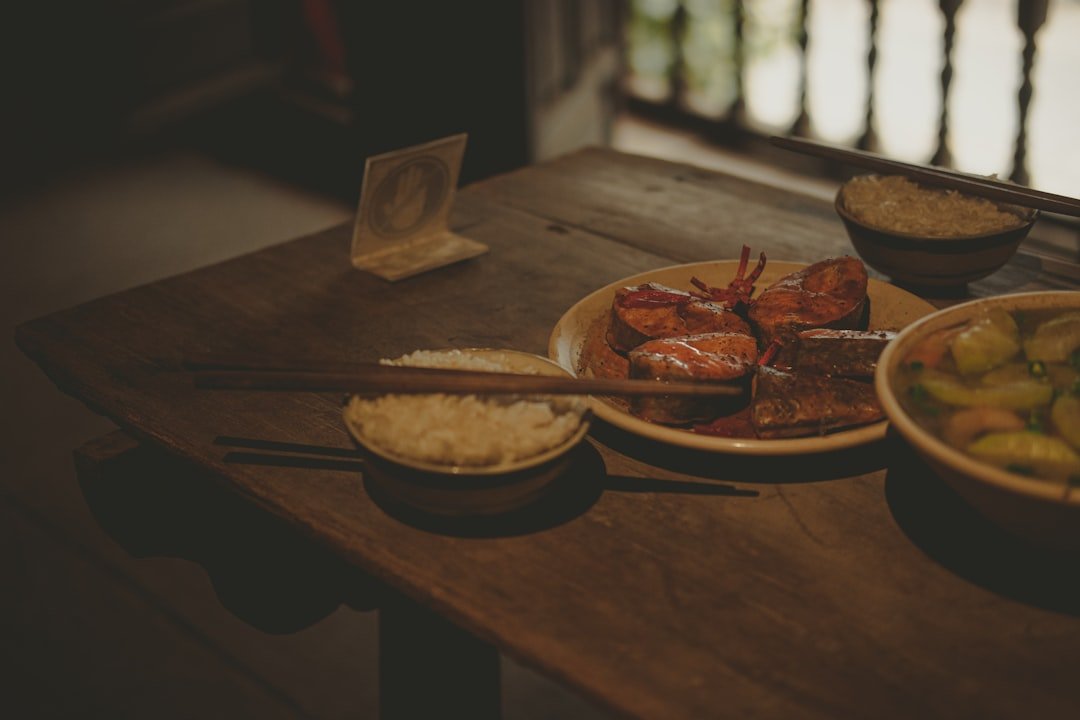
For ordinary people, the staple foods were millet, wheat, and rice. In the north, millet and wheat were the main foods, with common dishes being millet porridge and wheat cakes; in the south, rice was the primary staple, with rice being the main food. As for vegetables, common ones included Chinese chives, green onions, garlic, and Chinese cabbage. Meat was relatively scarce, with ordinary people only consuming it during special festivals or when entertaining guests. Fish was more commonly found in areas near rivers and lakes.
It is worth noting that during the Tang Dynasty, frequent foreign exchanges meant that some foreign foods began appearing on people's dining tables, such as grape wine and hu bing (sesame bread). Hu bing was very popular on the streets and alleys of Chang'an, becoming a favorite food of ordinary people. These changes in diet reflected both the material conditions of the time and how cultural exchanges influenced people's daily lives.
Ancient Medical Care and Hygiene Conditions
In ancient times, medical conditions were relatively backward. Although the Tang Dynasty had a relatively developed medical system with official medical institutions such as the Imperial Medical Bureau, these primarily served the imperial court and the aristocracy. Gao Lishi, living in the palace, naturally enjoyed the best medical resources, with imperial physicians always standing guard over his health.
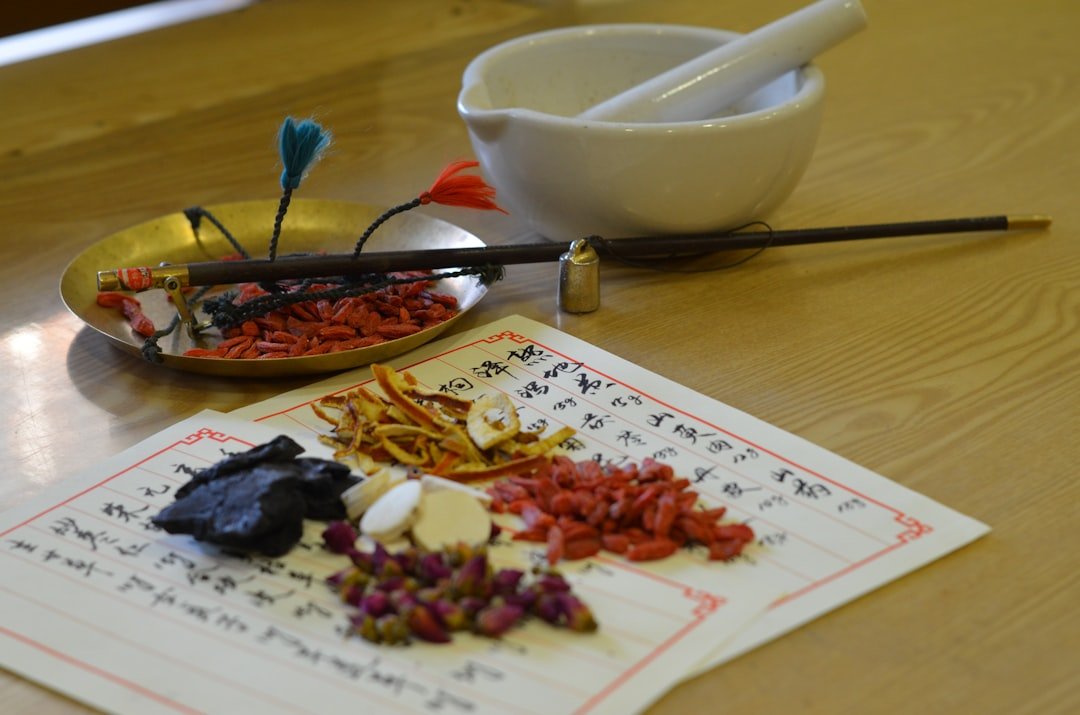
For ordinary people, seeking medical treatment was an extremely difficult matter. On one hand, the number of doctors was limited, especially in remote areas where it was hard to find professional physicians. On the other hand, medical fees were expensive, and ordinary people could often not afford them. Therefore, in many cases, people could only rely on folk remedies and herbal cures to treat illnesses.
In terms of hygiene, cities had dedicated street cleaners, but the overall hygiene level was still not high. Garbage disposal methods were relatively simple, with waste often being dumped carelessly outside the city or in desolate places, easily breeding bacteria and mosquitoes. Regarding drinking water, although there were water sources such as wells, water quality could not be guaranteed, and in some areas water sources were contaminated, leading to disease transmission.
The palace environment where Gao Lishi lived was relatively good, with dedicated personnel responsible for cleaning and hygiene management. However, in the common areas, improving sanitary conditions was a long and difficult process, which directly affected the health status and quality of life of ordinary people.
Education and Cultural Transmission
The Tang Dynasty's education system was relatively well-developed, with both official and private schools. Official schools mainly included institutions like the National University and the Grand University, which primarily enrolled children of nobles and officials. Gao Lishi, as a close associate of the emperor, may have had the opportunity for his family members to enter these schools to receive education.
Private schools were more widespread, with even some villages having private academies providing educational opportunities for common people's children. Educational content was primarily based on Confucian classics, while also covering some knowledge in literature, history, and arithmetic. However, due to economic limitations, many common people's children could not receive complete education, able only to learn basic literacy and arithmetic.
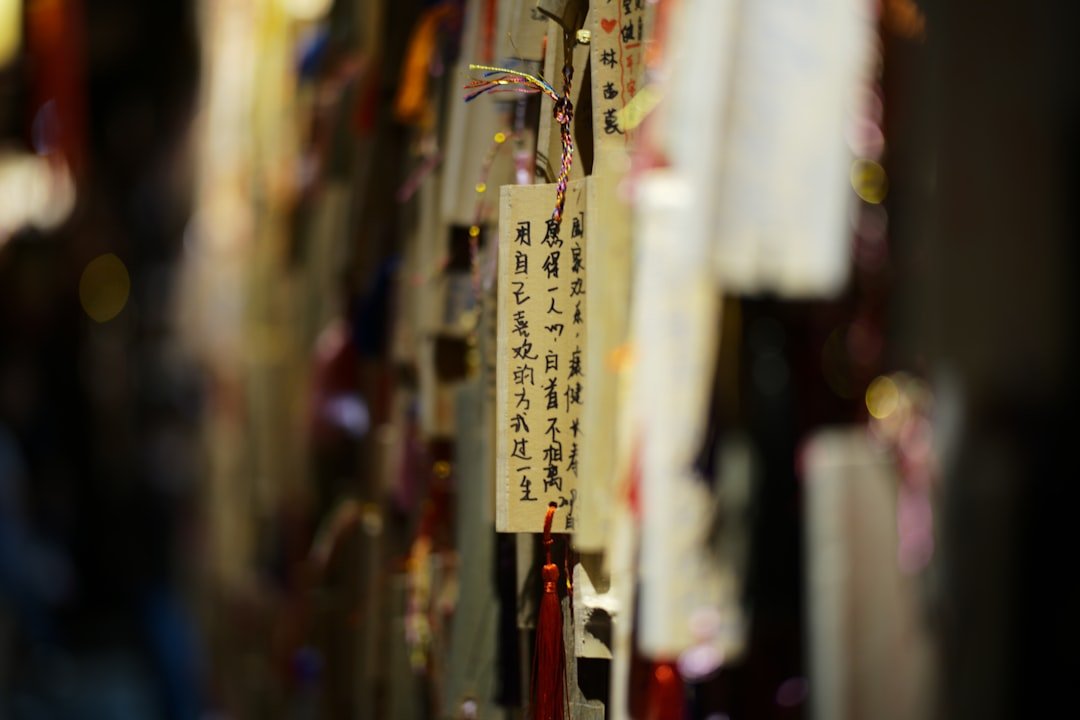
In terms of cultural transmission, the Tang Dynasty was a golden age of poetry, with poetry not only being a means of emotional expression for scholarly elites but also widely circulating among the common people. In the streets and alleys, people often recited works by poets like Li Bai and Du Fu. Gao Lishi in the palace also benefited greatly from the cultural atmosphere, and he may have had some interactions with men of letters. Cultural transmission was reflected not only in poetry but also in various handicrafts and traditional arts. These folk cultural transmissions, though seldom detailed in history books, were an important component of ancient people's livelihood, reflecting the wisdom and creativity of the common people.
Social Strata and Mobility
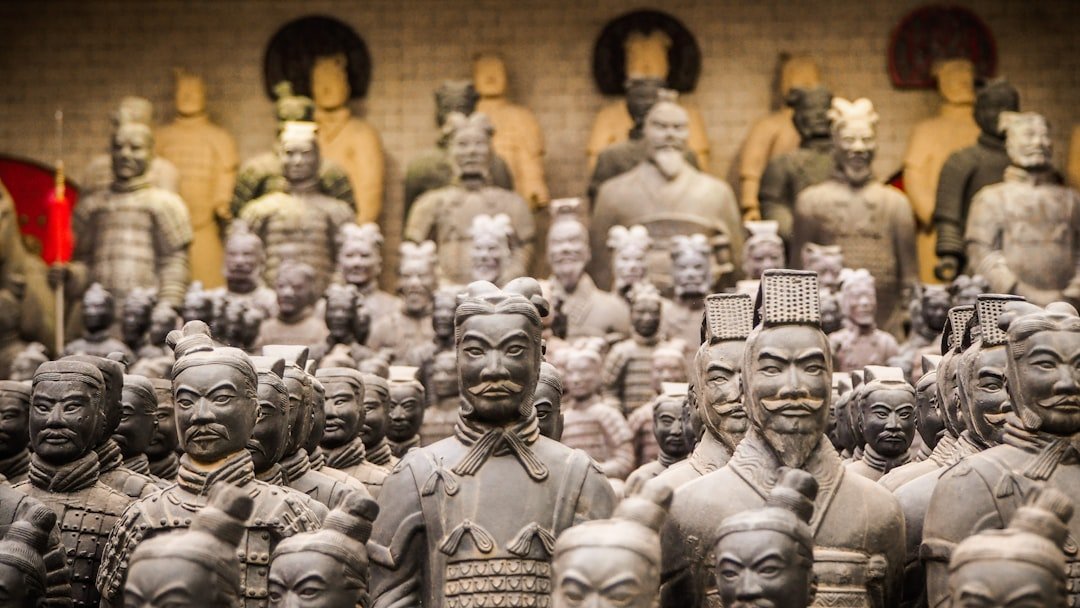
In the Tang Dynasty, social strata were distinct. The aristocracy and officials occupied the upper levels of society, enjoying various privileges and comfortable material lives, with Gao Lishi being a representative. They owned vast amounts of land and wealth, holding dominant positions in politics, economics, and culture.
The middle stratum included merchants and artisans. Although merchants possessed certain wealth, they were often restricted in social status, being considered a "minor occupation." Artisans made their living through their skills, with their products having certain market demand.
Common farmers and lower-class laborers occupied the bottom of society, bearing heavy taxes and labor obligations, living difficult lives. However, the Tang Dynasty was not entirely without opportunities for social mobility. The imperial examination system provided some humble-born scholars with a path for advancement; through examinations, one could enter official service and change the destiny of oneself and one's family. Although this path was fraught with hardship, it still attracted countless people to pursue it.
Gao Lishi's gradual rise from an ordinary eunuch to becoming the emperor's trusted confidant represented, to a certain extent, a special kind of social mobility within the palace. The existence and movement of social strata were important characteristics of ancient social structure, profoundly influencing the life trajectories of ordinary people and the developmental direction of society.
Conclusion and Reflection
By using the era in which Gao Lishi lived as an example, we have glimpsed many truths about ancient people's livelihoods. History books often focus on grand narratives of politics, military affairs, and culture, while the details of ordinary people's daily lives are frequently overlooked. Yet it is precisely these seemingly trivial life details that form the foundation of ancient society.
Ancient people's livelihood had both prosperous and difficult aspects. On one hand, there was the prosperity of urban commerce and the richness of cultural entertainment; on the other hand, there was the backwardness of medical conditions and the limitations of social strata. Gao Lishi, as a special figure in the palace, led a life that contrasted sharply with that of ordinary people, but at the same time also reflected, to a certain extent, the panorama of the entire society.
From these truths about ancient people's livelihoods, we can see that social development is a long and complex process. Each era had its unique problems and challenges, and ordinary people were always the driving force behind social progress. We should pay more attention to these subtle details in history, for they are not only windows for understanding the past but also provide valuable references for thinking about the present and future. The truths about ancient people's livelihoods are like pearls in history's long river; when strung together, they allow us to see a more authentic and three-dimensional ancient society.
📝 本文来自抖文 www.douwen.me ,转载请保留出处。
原文链接:https://douwen.me/archives/648/
💬 评论 (5)
This is exactly what I've been saying! School textbooks focus way too much on kings and wars when the real story is in how regular people survived and thrived. Finally someone putting this out there.
"Taboo secrets"? "Won't tell you"? This feels sensationalized. What specific truths are being hidden, and by whom? I'd need actual sources before buying into this premise.
Great hook! I'm genuinely interested in learning about daily life in ancient civilizations—what people ate, how they worked, their family structures. Do you cover specific regions or time periods in the full article?
The excerpt cuts off right when it gets interesting ("Today, let..."). Can't really judge without reading the rest, but I appreciate the angle. Social history deserves more attention than it gets.
As an academic, I have to push back here. Ancient daily life *is* extensively covered in peer-reviewed historical journals and many scholarly books. Popular textbooks may oversimplify, but that's different from secrets being "hidden." Let's not conflate accessibility with conspiracy.