Philosophical Dialectics: Exploring the Hidden Landscapes Within the Depths of Thought
Philosophical Deliberation: Exploring the Secret Landscape in the Depths of Thought
The Source of Philosophical Deliberation: The Dawn of Wisdom in Ancient Greece
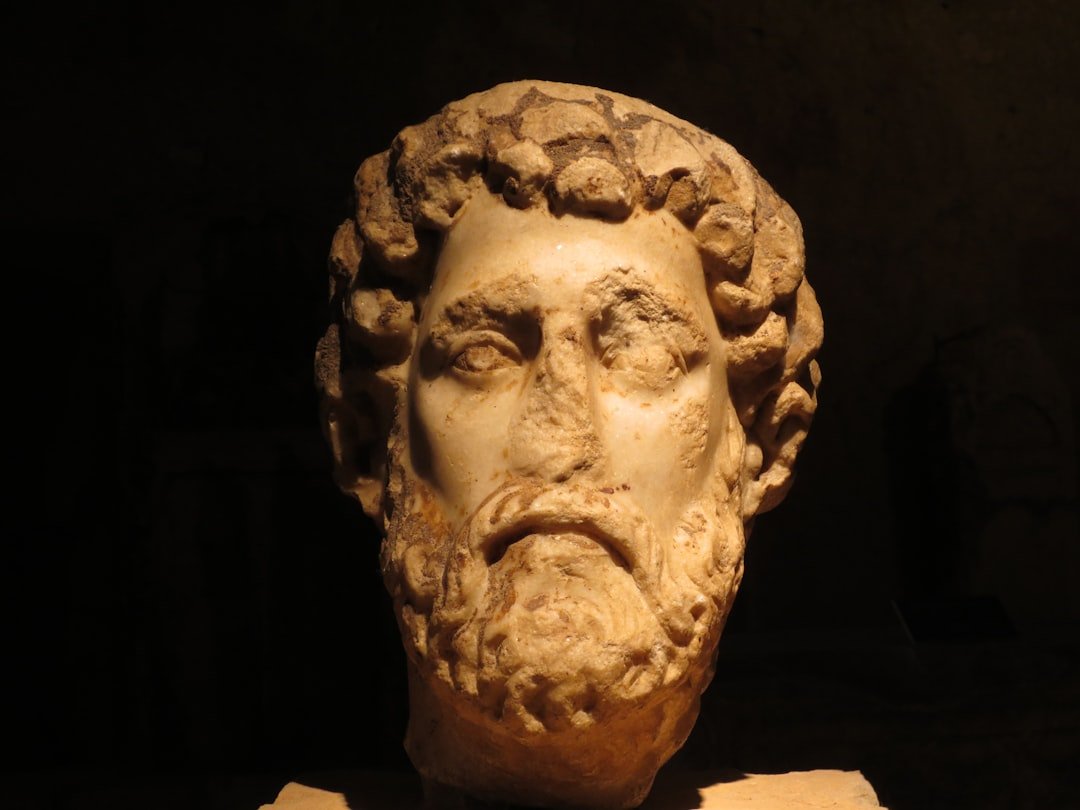
The history of philosophical deliberation is long and profound, and Ancient Greece is undoubtedly an important source of its origins. Around the 6th century BCE, the Milesian school of Ancient Greece initiated the journey of philosophical exploration. Thales, honored as the "Father of Philosophy," boldly proposed that water is the origin of all things. In an era when superstition and mythology were prevalent, this viewpoint struck like a thunderbolt. He rejected the mythological account of divine creation of all things and attempted to seek the roots of the world from natural matter itself, which represents the initial sprouting of philosophical deliberation.
Subsequently, Heraclitus maintained that "everything flows, nothing remains constant," emphasizing the motion and change of the world. Using the river as a metaphor, he vividly illustrated the absolute nature of change, stating that one cannot step into the same river twice. In contrast, Parmenides argued that being is eternal and unchanging, using rigorous logical reasoning to support his position. The debates and explorations of these early philosophers laid the foundation for later philosophical development. They were no longer satisfied with surface phenomena but delved deeper into thinking about the essence of the world, existence, and change—fundamental questions. Their unwavering pursuit of truth and unique method of deliberation were like the dawn of wisdom, illuminating the path of human intellectual development.
Medieval Philosophical Deliberation: Wandering Between Faith and Reason
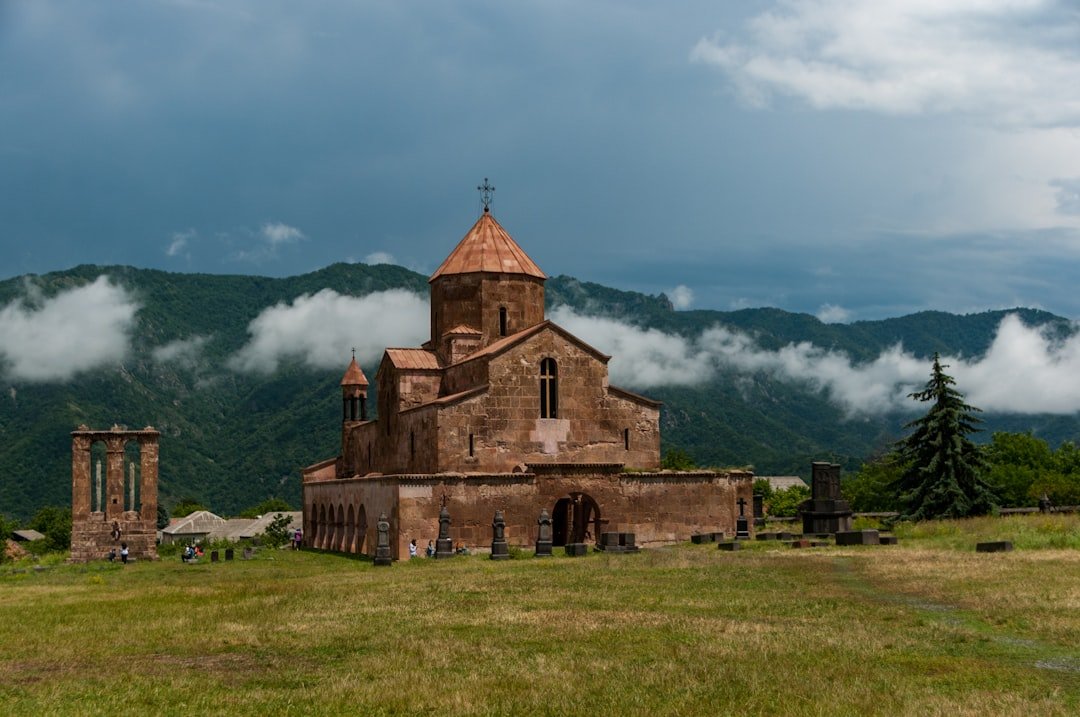
In the Middle Ages, religion dominated Europe, and philosophical deliberation bore deep imprints of religious influence. Scholasticism was the dominant form of philosophy in this period. Anselm proposed an ontological proof for the existence of God. Starting from the concept that "God is the most perfect being," he used logical reasoning to conclude that God must necessarily exist. This argument sparked considerable controversy, which Aquinas subsequently criticized and revised. Aquinas synthesized Aristotelian philosophy with Christian doctrine, constructing a vast and rigorous theological-philosophical system.
During this period, philosophical deliberation served two purposes: on one hand, it was meant to serve religious faith by providing arguments for God's existence and the rationality of religious teachings; on the other hand, philosophers attempted to use reason to understand and interpret religious doctrines. For example, the debate over universals saw realists argue that universals are real entities existing independently of particular things, while nominalists contended that universals are merely names, with only particular things being truly real. This dispute involved not only ontological and epistemological questions in philosophy but also reflected the struggles and explorations of philosophers between faith and reason. Although medieval philosophical deliberation faced many restrictions from religion, it nevertheless promoted the development of human thought to a certain extent and laid the groundwork for the later revival of philosophy.
The Renaissance and Enlightenment: The Liberation and Elevation of Philosophical Deliberation
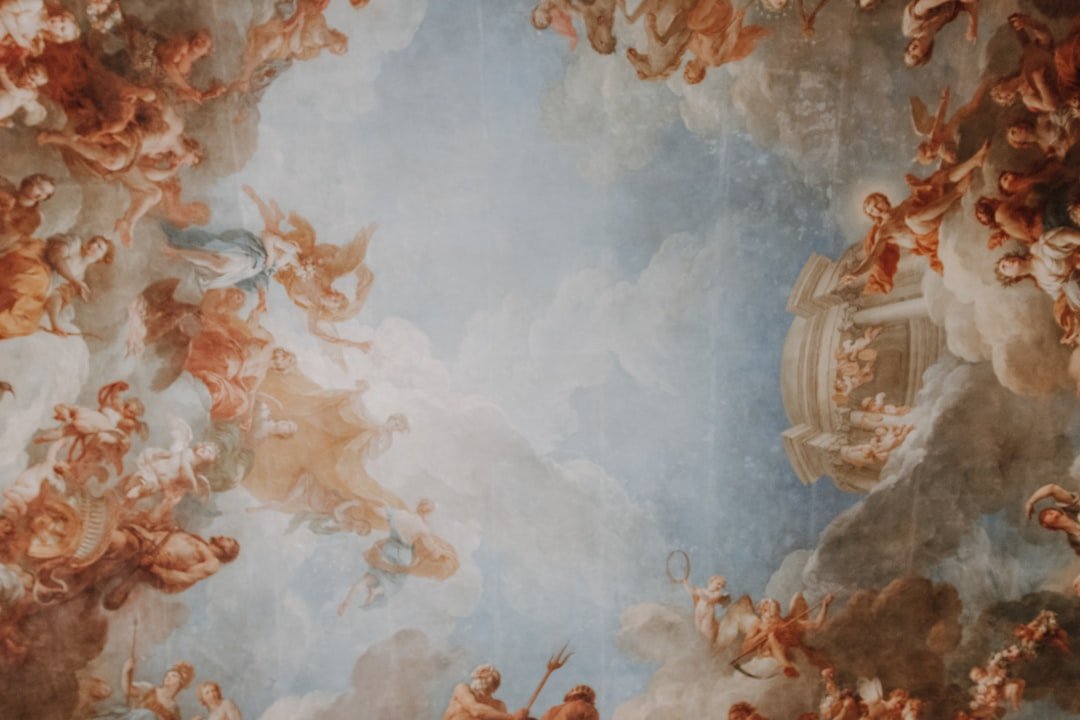
During the Renaissance period, humanism emerged as a dominant intellectual current, and people began to focus on human value and dignity. Philosophical deliberation gradually freed itself from the constraints of medieval religion and turned toward the study of humanity. Machiavelli's "The Prince" is a representative work of this era. Departing from the realities of politics, he explored how rulers could employ political tactics to maintain their power, no longer placing political action entirely within the framework of religious morality. This reflects a completely new way of thinking—approaching problems from human practical needs and political reality.
The Enlightenment further brought philosophical deliberation to its pinnacle. Thinkers such as Voltaire, Rousseau, and Kant raised the banner of reason, launching fierce critiques against feudal autocracy and religious superstition. Rousseau proposed the social contract theory, arguing that the state is formed through a contract in which people cede their rights, providing an important theoretical foundation for establishing democratic politics. Kant, meanwhile, emphasized the autonomy of human reason, proposing the famous view that "man is an end in himself, not merely a means," greatly elevating the status of humanity. During this period, philosophical deliberation became an important force driving social change, liberating human thought and laying the intellectual foundation for the development of modern society.
Modern Philosophical Deliberation: A Feast of Diverse and Innovative Thought
Entering the modern era, philosophical deliberation exhibits characteristics of diversification and innovation. Analytical philosophy emerged in Anglo-American countries, emphasizing the analysis of language and attempting to solve philosophical problems by clarifying linguistic meaning. Wittgenstein's early "Tractatus Logico-Philosophicus" and later "Philosophical Investigations" represent different stages in the development of analytical philosophy. His elucidation of concepts such as language games and family resemblance broadened people's understanding of the relationship between language and philosophy.
In continental Europe, philosophical movements such as phenomenology and existentialism also exerted profound influence. Husserl's phenomenology, which he founded, advocated returning to things themselves and revealing their essence through essential intuition. Heidegger further explored the meaning of being on this foundation, emphasizing that human existence is a form of "Being-there" (Dasein) with unique temporality and historicity. Sartre's existentialism stressed human freedom and responsibility. He believed that humans are free in the world but also responsible for their choices. These modern philosophical schools, from different angles, conducted deep deliberation on questions concerning human existence, cognition, language, and other fundamental issues, enriching the content of philosophy and opening new paths for the development of human thought.
The Contemporary Significance of Philosophical Deliberation: A Beacon of Thought Illuminating the Unknown

In contemporary society, philosophical deliberation remains irreplaceable in its importance. In an age of rapid technological advancement, we face numerous new problems and challenges. For instance, the rise of artificial intelligence raises philosophical questions about whether artificial intelligence possesses consciousness and how its moral responsibility should be defined. Philosophical deliberation enables us to examine these issues from a more comprehensive and profound perspective, avoiding the trap of solving problems solely from a technical standpoint while neglecting ethical, social, and fundamental human concerns behind them.
Furthermore, philosophical deliberation helps cultivate critical thinking and innovative capacity. In an era of information explosion, various viewpoints and information inundate our lives, and we need to employ the methods of philosophical deliberation to distinguish truth from falsehood and analyze advantages and disadvantages. Philosophical deliberation encourages us to break through the limitations of conventional thinking and view problems from different perspectives, thereby stimulating innovative thought. Additionally, philosophical deliberation can provide us with spiritual guidance, helping us find meaning and value in life amid the complexities of the world, serving as a beacon of thought illuminating our path forward.
Philosophical deliberation began with the dawn of wisdom in Ancient Greece, passed through the wandering of the Middle Ages, the liberation and elevation of the Renaissance and Enlightenment, and continues through the diverse innovations of modernity, always accompanying human social development. In different historical periods, it has assumed different forms and emphases, but has consistently dedicated itself to exploring fundamental questions about the essence of the world and the meaning of human existence. In contemporary times, philosophical deliberation remains an important tool for understanding the world, solving problems, pursuing truth, and realizing our values. We should cherish this precious intellectual heritage of philosophical deliberation, continuously promote its development, and allow it to continue to shine brilliantly in the course of human civilization, guiding us to explore that secret yet enchanting landscape hidden in the depths of thought.
📝 本文来自抖文 www.douwen.me ,转载请保留出处。
原文链接:https://douwen.me/archives/634/
💬 评论 (5)
This is a fascinating starting point! Ancient Greece really was the birthplace of Western thought. I'd love to see how the article develops the connection between the Milesians and modern philosophical practice.|
The title promises "hidden landscapes" but the excerpt feels a bit generic so far. What makes this exploration different from other philosophy articles? Hoping the full piece digs deeper.|
Great opening, though I noticed the article title changed between the heading and the URL ("Dialectics" vs "Deliberation"). Minor note, but worth clarifying. Looking forward to reading more about pre-Socratic thought.|
I absolutely love how accessible this is written. Philosophy can be intimidating, but framing it as exploring "secret landscapes" of thought really captures the sense of wonder I felt when I first studied ancient philosophers. Can't wait for the next section!|
The excerpt cuts off mid-sentence at "the Milesian" — assume you mean the Milesian School? Would be helpful to complete the thought before publishing. Also curious whether you'll cover Eastern philosophy alongside the Greek tradition, or focus exclusively on the Western canon.|