How Did Iran Become What It Is Today?

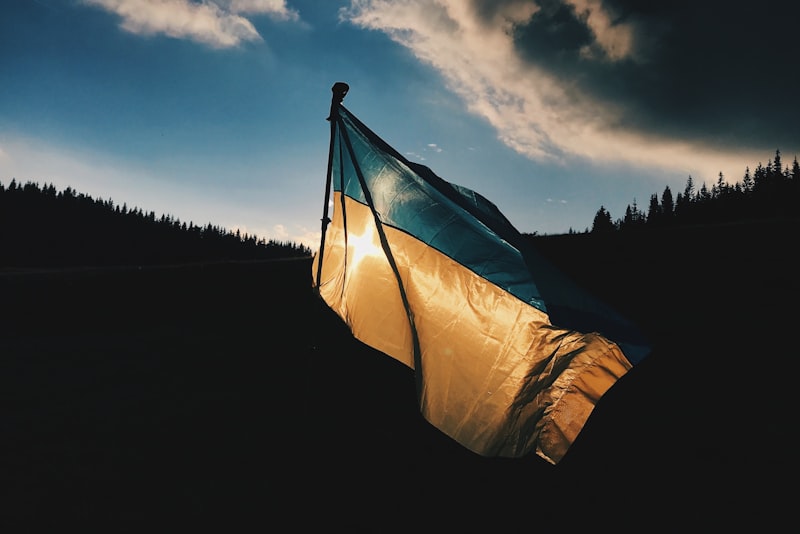
Iran got its own Chiang Kai-shek, but never got its Mao Zedong. So the revolution that overthrew Chiang Kai-shek ended up being seized by a group of Qing Dynasty loyalists.
Iran's Chiang Kai-shek
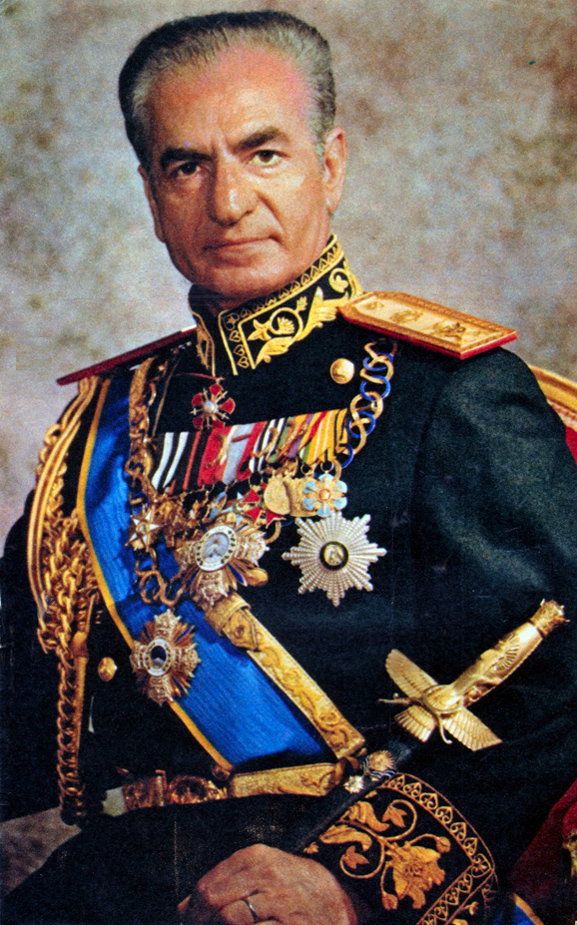
Mohammad Reza Pahlavi, Iran's last king, ruled for 38 years.
With American backing, he turned Iran into the most pro-Western nation in the Middle East. In the 1960s, Pahlavi launched an ambitious reform program—the White Revolution—which included:
- Land reform
- Women's suffrage
- Industrialization
- Universal education
It looked very modern. Tehran saw skyscrapers rise, women entered universities, and the city flourished.
Doesn't this sound a lot like 1930s China? Shanghai's neon lights, the Nanjing government's industrial blueprint, a picture of prosperity.
But here's the problem: the cities were modernizing while the countryside was collapsing.
Masses of farmers lost their land and flooded into urban slums. North Tehran was for the wealthy; south Tehran was for the poor. Social tensions swelled like an ever-expanding balloon.
Hope Strangled by America
Iran actually had a chance once.
In 1951, Mosaddegh was elected Prime Minister of Iran. He did something momentous: nationalized the oil industry. At the time, Iran's oil was almost entirely controlled by Britain. Mosaddegh declared: Iran's oil should belong to the Iranian people.
What happened next?
In 1953, the United States and Britain jointly orchestrated a coup, overthrowing Mosaddegh. Pahlavi returned to power.
From that moment on, countless Iranians drew one conclusion: the moment you seek independence, America will overthrow you.
Revolution Erupts
In the 1970s, Iranian society reached its breaking point. Students, workers, merchants, clerics—all took to the streets.
In 1979, the Iranian Revolution erupted, and the Shah was overthrown.
But a question arose: after the revolution, who would take over the country?
In China, that role was filled by the Communist Party. But in Iran, the left had already been crushed into fragments. The only force that still maintained a nationwide organizational network was one thing—the mosques.
The Revolution Hijacked
And so, one man appeared.
Khomeini, a religious leader who had been in exile for 15 years, returned to Iran in 1979. Within just a few months, he seized total power.
Then things took a dark turn: the revolution's allies were purged one by one. The left was suppressed, unions were dissolved, and the women's movement was crushed.
What Iran ultimately established was not a republic, but a—theocratic republic.
Why Did Iran's Left Fail?
First, they misjudged the enemy. They believed that being anti-American automatically made someone a progressive force, underestimating the ambitions of theocratic politics.
Second, they suffered from stage-based illusions. They thought they could first overthrow the Shah, then compete for power. But reality dictates: whoever controls the state machinery first, wins.
Third, they underestimated religion. Many intellectuals believed modernization would eliminate religion. The opposite happened—religion became the most powerful organizational network.
History's Greatest Irony
Today, America considers Iran one of its greatest enemies. But there's a cruel historical irony: this enemy was precisely of America's own making.
The 1953 coup destroyed Iran's path to democracy. The 1979 revolution allowed theocratic forces to seize power.
Iran achieved anti-imperialism but never completed anti-feudalism. And so the fruits of revolution were taken over by religious forces.
In Closing
The Iranian people have been robbed three times:
- In 1953, America robbed them of their chance at democratic reform;
- In 1979, the fruits of revolution were seized by religious forces;
- In the decades since, the theocratic regime has restricted their freedom.
This is the cruelest truth of Iranian history: the revolution happened, but the people never truly took control of their country.
📝 本文来自抖文 www.douwen.me ,转载请保留出处。
原文链接:https://douwen.me/archives/55/
💬 评论 (0)
还没有评论,来说两句吧 ✍️