China's Wildest Expedition: Why Zheng He's Voyages to the Western Ocean Were Suddenly Stopped
Why Zheng He's Voyages Were Suddenly Stopped: Imperial Ambition, Power Struggles, and the Truth
A Grand Maritime Dream That Could Have Reshaped the World
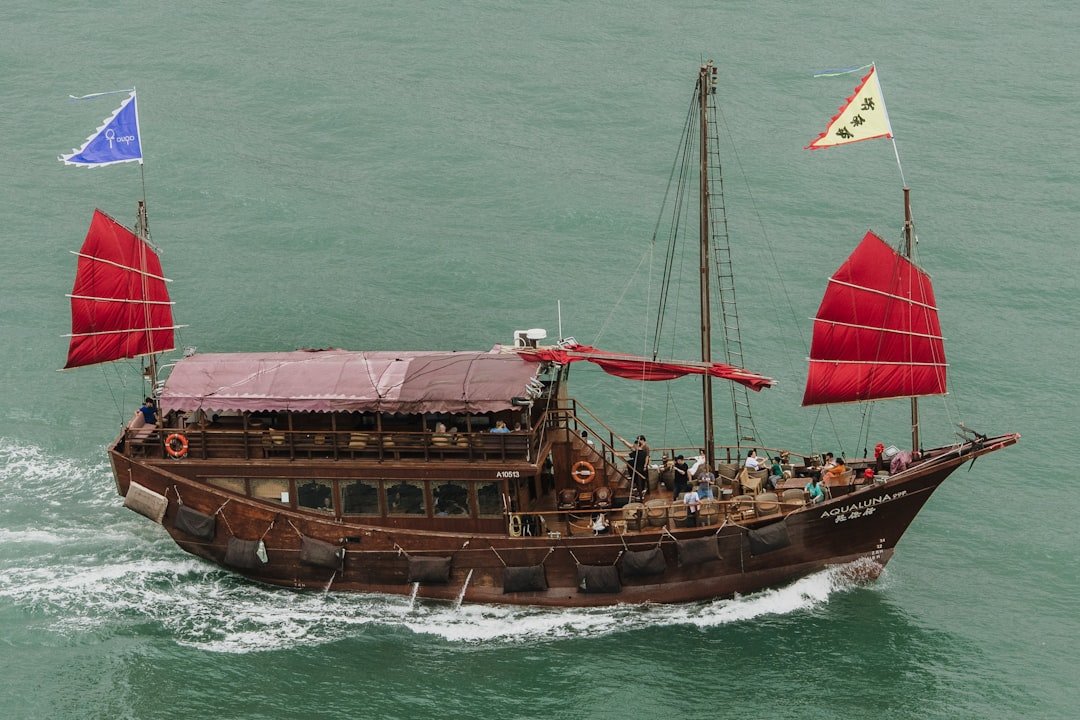
In 1405, a massive fleet set out from Nanjing. Its flagship measured over 400 meters in length with a cargo capacity of 2,000 tons; the fleet's scale and technical sophistication surpassed anything any nation could put on the sea at the time. This was the most ambitious expedition in Chinese history — Zheng He's voyages to the Western Ocean. Over the next 28 years, Zheng He led this deep-ocean fleet on seven large-scale voyages, touching more than 30 Asian and African countries and regions, from East Africa to the Middle East, from the Indian Ocean to the Arabian Sea. The Chinese imperial fleet was the most powerful naval force in the world.
What is striking is that this grand enterprise — vast in scale, enormous in cost, and capable of bending the course of world history — came to a sudden stop in 1433. For decades after that, China never organized another large-scale ocean voyage. The former fleets rotted in their docks, the maps Zheng He left behind were locked in the emperor's vault, and the silence lasted nearly five hundred years. This historical puzzle has troubled countless scholars: why was such a magnificent project abruptly shut down? Why did China not become a maritime hegemon, and instead drift toward a "sea ban" policy? The answer is more complex than we imagine. It involves succession to the throne, power struggles, a turn in economic policy, and a fundamental shift in judgment about the empire's future.
Zheng He: A Legendary Life From Slave to Imperial Favorite
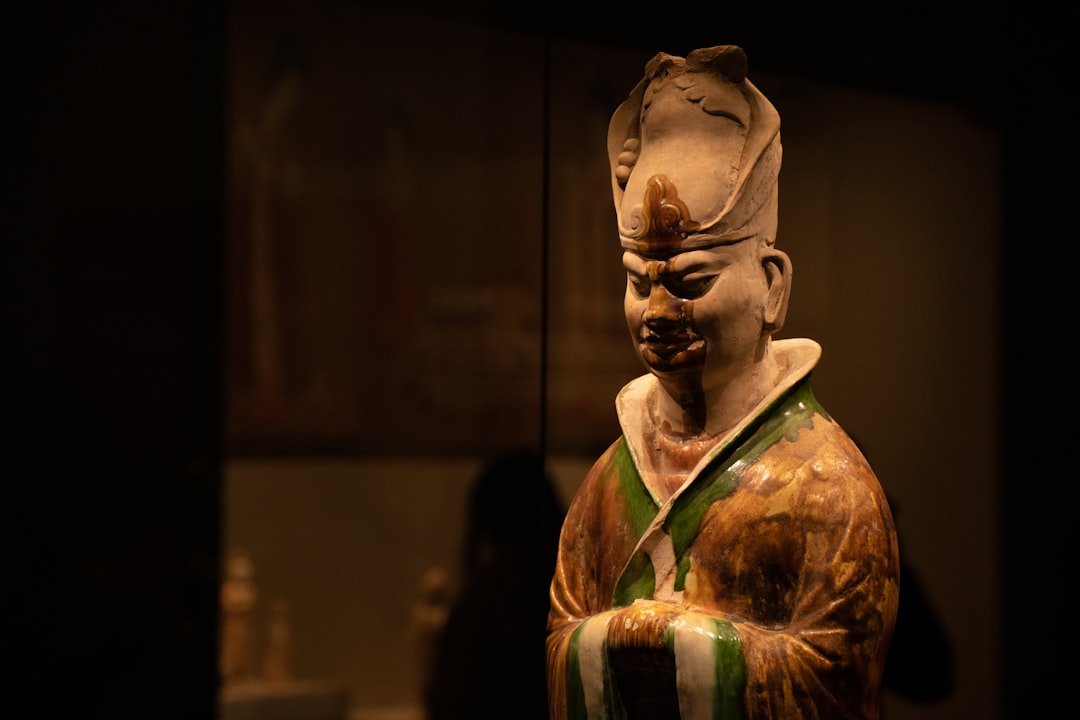
Before diving into this puzzle, we must know the man. Zheng He was originally named Ma He, born in 1371 to a Muslim family in Kunyang, Yunnan. His upbringing already had drama in it: as the Ming forces under Zhu Yuanzhang marched south to conquer Yunnan, the young Ma He was seized in the chaos and, after being castrated, entered Zhu Yuanzhang's imperial palace. What looked like a tragic fate became the turning point of his life.
In the palace the young Ma He showed remarkable talent and loyalty. He learned multiple languages and mastered geography and navigation, gradually earning Zhu Yuanzhang's trust and favor. But what really changed Ma He's fortune was the rise of Zhu Di. After Zhu Di overthrew his nephew, the Jianwen Emperor, in the Jingnan campaign, Ma He, as a former retainer of Zhu Di in Beijing, was given heavy responsibilities and gradually became the most trusted figure beside the emperor. Zhu Di even bestowed upon him the surname "Zheng" — and from then on Ma He became Zheng He.
By 1405, when Zhu Di decided to launch large-scale overseas exploration, Zheng He was already a mature man in his early forties. He commanded the empire's naval resources, enjoyed the emperor's boundless trust, and was the natural choice to lead this grand expedition. From 1405 to 1433, over 28 years, Zheng He sailed again and again, each time bringing back exotic items, geographic knowledge, and diplomatic gains. He visited Malacca, Sumatra, India, the Arabian Peninsula, and reached as far as Mozambique and Kenya in East Africa. Zheng He thus became the greatest navigator in the world of his time — the scale of his fleet, the polish of its organization, and the reach of its voyages put any contemporary European navigator in the shade.
The Death of Zhu Di: The End of Imperial Ambition
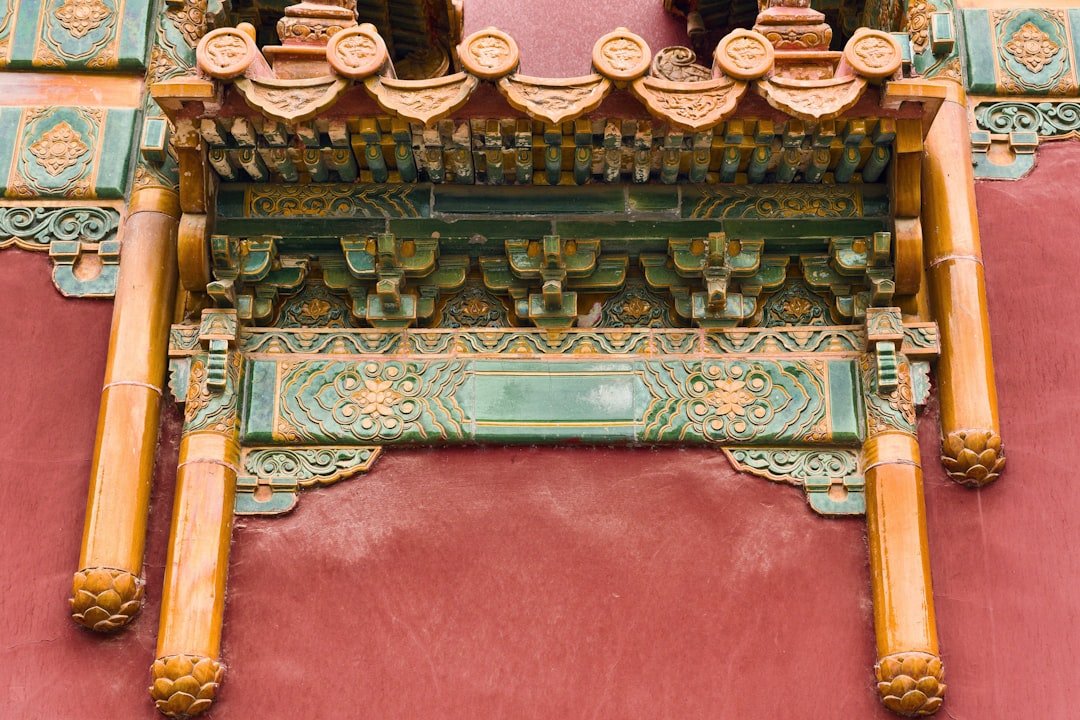
The entire seven-voyage project rested, fundamentally, on the strong support of one emperor: Zhu Di. Zhu Di was a ruler with grand vision; he wanted to use the power and civilization of the Ming Empire to confirm China's absolute primacy in the world. In Zhu Di's eyes, Zheng He's ocean-going fleet was more than a commercial tool or an exploration vehicle — it was a political symbol that represented the strength, wealth, and glory of the Ming. Zhu Di even viewed the voyages as a kind of justification for his usurpation: by displaying the empire's greatness, he could legitimize his overthrow of the Jianwen Emperor.
But Zhu Di was still a mortal man. In 1424, at age 74, he died. His death triggered a major restructuring of imperial power. Zhu Di's successor was his son Zhu Gaochi — a mild-tempered, frail emperor. Zhu Gaochi reigned barely a year before dying of illness, and power passed to his son Zhu Zhanji — the future Xuande Emperor. Zhu Zhanji inherited some of his grandfather's qualities, but his political horizon was very different from Zhu Di's.
More importantly, a power figure emerged at Zhu Zhanji's side: Empress Dowager Zhang. A strong-willed woman, Empress Zhang held reservations about — even opposed — Zheng He's voyages. Greater changes came under Zhu Zhanji's successor. In 1435 Zhu Zhanji died at only 38, and power passed to his nine-year-old son Zhu Qizhen. At that point, the figures who would truly change the empire's maritime policy emerged: the powerful eunuch faction and the bureaucratic faction that opposed them.
Power Struggles and the Reversal of Maritime Policy
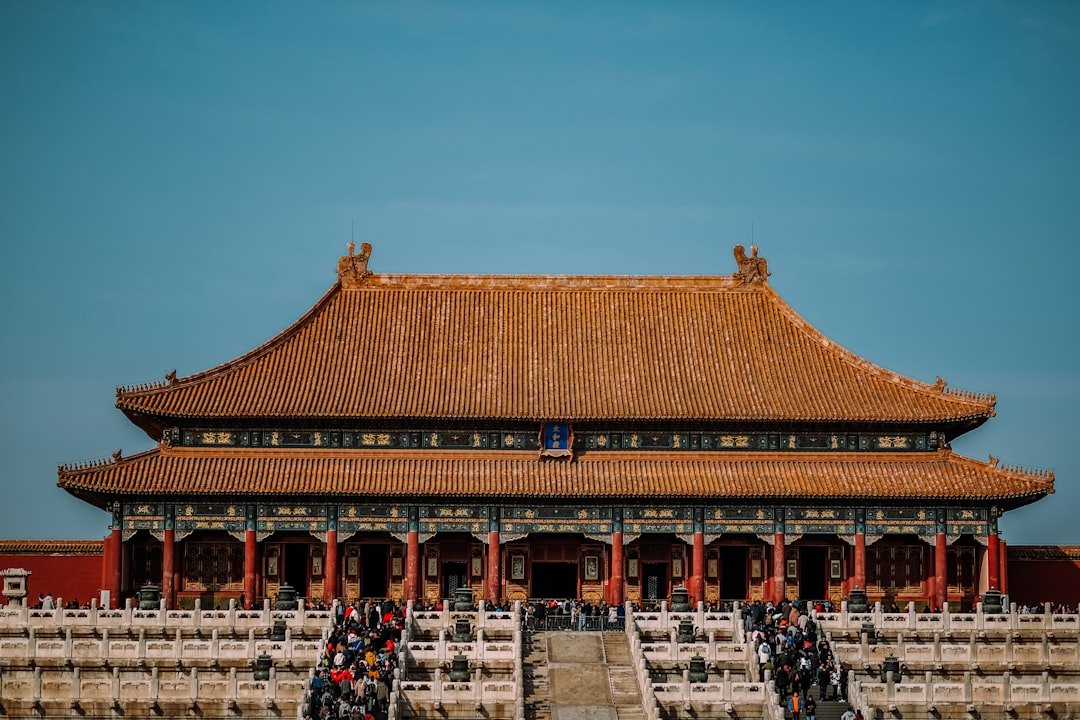
In Zhu Qizhen's childhood, the Ming Empire's power structure changed deeply. The eunuch faction kept gaining influence, while the civil official faction led by Yang Pu, Jian Yi, and others fought for power. The struggle between these two forces directly affected the fate of the Zheng He voyages.
Zheng He was himself a eunuch and thus had latent ties with the eunuch faction. Yet his power base came from the late emperors Zhu Di and Zhu Zhanji; as those emperors passed, the new distribution of power took shape. Civil officials like Yang Pu and Jian Yi gained greater sway at court — they represented an inward-looking, conservative force. This group felt that while Zheng He's voyages did broadcast the empire's might, they consumed enormous resources, drained national strength, and — most importantly — existed mainly to feed the vanity of an emperor who was already dead.
A more direct factor was economic calculation. Each voyage by Zheng He consumed a vast share of national resources. A single expedition required millions of taels of silver — a huge burden on an imperial budget. At the same time, Mongol Tatar threats from the north were growing, and the south occasionally faced peasant uprisings or local rebellions. Under these conditions, the civil officials increasingly argued that putting national finances into land defense and internal governance made far more sense than overseas exploration.
Zheng He's Later Years: A Forgotten Witness to History
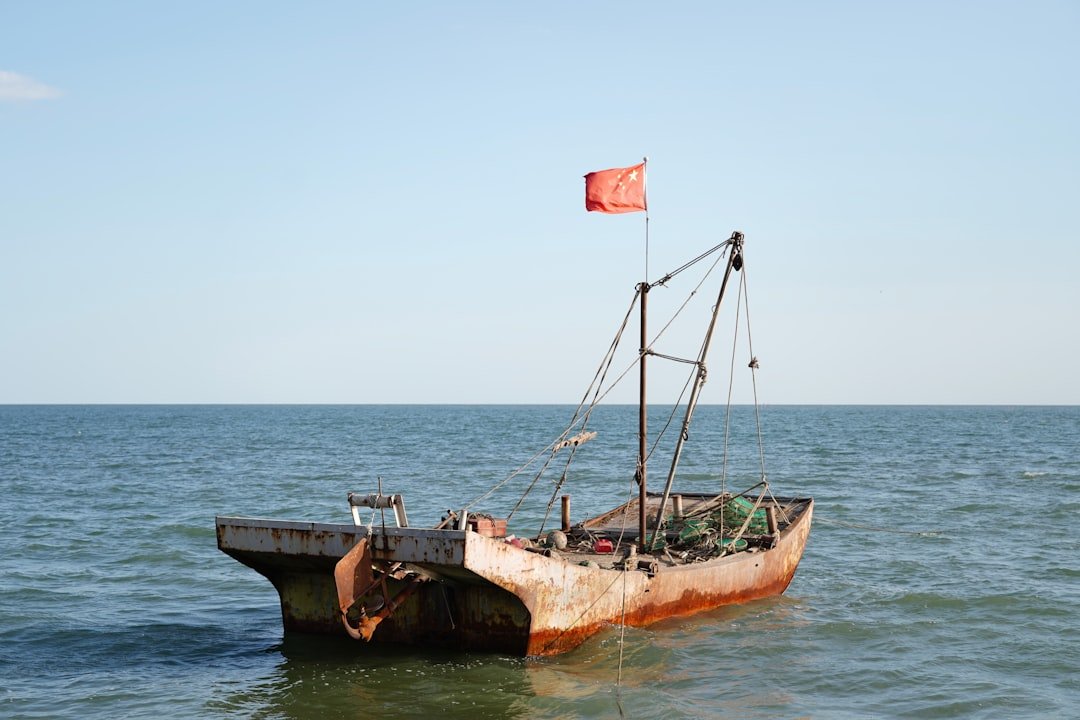
Zheng He himself witnessed all of this firsthand. After Zhu Zhanji's death, in his sixties, he carried out his seventh and final voyage. After he returned, he was treated coldly and given no new expedition orders. The imperial center had lost interest in the great navigator's work. In 1433, after returning home, Zheng He was reassigned to Nanjing as commander of the Longjiang Garrison — a position far less important than commanding the fleet.
Zheng He endured the pain of being sidelined in his old age. Once he had been the most-favored figure before Zhu Di, his name and exploits inscribed in imperial records, his presence felt in every port from the Indian Ocean to the Arabian Sea. But as power shifted, greatness became history, and Zheng He became a figure history forgot. In 1435, at 64, Zheng He left the world. His death drew little attention; it was not even recorded clearly. A great era ended quietly, without a sound.
The Historical Watershed: Why After Zheng He
Some scholars have asked a reflective question: why was it that after Zheng He, China never again organized large-scale ocean voyages, and even drifted into a long policy of maritime closure? The answer lies in the shifting of power. A strong emperor like Zhu Di had the grip on imperial power to sustain a seemingly "impractical" grand project. He believed such an endeavor demonstrated imperial greatness, and that was reason enough. But when power was dispersed across more collective decision-making bodies, and as civil officials gradually displaced eunuchs as the dominant power holders, the calculus changed.
The civil-official mindset was more pragmatic. They calculated inputs and outputs, the impact on the empire's overall economy. Zheng He's voyages did bring back tribute and diplomatic gains, but the economic value of those items was small compared to the costs. And the voyages aimed mainly at political display, not at commercial trade — a stark contrast to the European Age of Discovery later, where navigators and merchants sailed for rich commercial gain and built colonial systems centered on trade and plunder.
More importantly, Zheng He's voyages were fundamentally an extension of one emperor's personal power. They were not driven by the economic needs or commercial interests of the empire, but by the personal vision of a great emperor. When the emperor died and the power structure changed, the project lost its most crucial support. No new emperor could resolutely back such an apparently impractical project the way Zhu Di had. Zhu Zhanji was capable but reigned too briefly. Zhu Qizhen, due to his age, did not have the time to form his own political will.
Reflection and Lessons of History
From today's vantage, Zheng He's voyages did not end because of technical problems, nor because the empire had lost the capacity to sail. They ended because shifts in power led to a change in strategic choice. The story teaches us that a civilization's rise and fall depends not only on its material base and technology but also on its power structure, decision-making mechanisms, and strategic outlook. A grand enterprise driven by personal power becomes fragile the moment power changes hands.
Had Zhu Di lived longer, or had his successors inherited the same strategic vision and power base, Chinese history might have taken a very different path. Zheng He might have continued his voyages, and China might have built a commercial empire based on maritime trade rather than gradually turning inward toward land-based development. The European Age of Discovery might have met a powerful Eastern rival, and the course of world history would have shifted along with it.
But history has no "if." Zhu Di's death, the brief reigns of Zhu Gaochi and Zhu Zhanji, and the reshuffle of power under Zhu Qizhen sealed the end of Zheng He's grand enterprise. It was not because the project had any fundamental flaw, but because it lacked institutional backing, lacked the driving force of the empire's economic interests, and depended too much on the will of individual power holders. When those conditions shifted, the great enterprise ended. The hardship and forgetting of Zheng He's final years is the clearest proof of this power turnover.
This history reminds us that civilizations' trajectories are often rewritten in seemingly minor shifts of power. A great era can lose its staunchest supporter in an instant, and a world-changing project can be shelved forever for the sake of succession. The end of Zheng He's voyages is not the end of history,
📝 本文来自抖文 www.douwen.me ,转载请保留出处。
原文链接:https://douwen.me/archives/823/
💬 评论 (0)
还没有评论,来说两句吧 ✍️