This Historical Figure: The Forgotten Dynasty's Behind-the-Scenes Mastermind
Feng Dao: The Forgotten Behind-the-Scenes Operator of Dynasties
In the vast and magnificent flow of Chinese history, the Five Dynasties and Ten Kingdoms period was an extraordinarily chaotic era filled with variables. During this turbulent age marked by frequent regime changes and widespread warfare, there was one figure who remained continuously active at the center of the political stage—Feng Dao. Although Feng Dao was not as renowned as some emperors and generals, his role in the political landscape of the Five Dynasties and Ten Kingdoms can be described as that of a forgotten behind-the-scenes operator pulling the strings of dynasties.
Rising in Chaos: Early Entry into Official Service and Demonstrating Talent
Feng Dao was born in the late Tang Dynasty into a poor family but was diligent and eager to learn from childhood. The era in which he lived had long since seen the glory of the Tang Dynasty fade, with warlord regionalism intensifying and society in turmoil. In such an environment, Feng Dao entered official service through his own learning and talent. Initially, he served under Liu Shouguang, a regional military commissioner in Youzhou. When Liu Shouguang prepared to send troops to attack Dingzhou, Feng Dao discouraged him based on his analysis of the situation but was imprisoned for offending Liu Shouguang. He was later rescued by others and escaped. Although this experience caused Feng Dao to suffer a setback, it also demonstrated his character of daring to speak the truth.
After leaving Liu Shouguang, Feng Dao transferred his allegiance to Prince Li Cunxu of Jin. After Li Cunxu established the Later Tang Dynasty, Feng Dao gradually gained favor due to his talent in drafting documents and other abilities, taking positions such as Hanlin Scholar. During the Later Tang period, Feng Dao stood firm in the official arena through his political wisdom and pragmatic attitude. He understood that in turbulent times, the stability of a regime required talented individuals and supportive policies. Therefore, he actively recommended capable people to the court and participated in formulating policies that were beneficial for economic recovery and social stability. During this period, Feng Dao emerged as a rising star on the political stage, laying the foundation for his later role in navigating multiple political regimes.
Serving Multiple Dynasties: The Wisdom of an Official Who Never Falls
During the Five Dynasties and Ten Kingdoms period, regime changes occurred with dizzying frequency. After the Later Tang's fall, Feng Dao went through multiple dynasties including the Later Jin, Later Han, and Later Zhou, serving various rulers in succession. He held important positions such as chancellor and grand mentor, becoming an invincible figure in the official world.
During the Later Jin period, Shi Jingtang became emperor by submitting to the Khitan and ceding the Sixteen Prefectures of Yangyun to them. As a senior official in the court, Feng Dao may have had reservations about Shi Jingtang's actions, but he still carried out various duties involving dealings with the Khitan. He was once sent as an envoy to the Khitan and skillfully responded to their coercion and inducements, completing his mission while maintaining Later Jin's dignity as much as possible. After Later Jin's collapse and the establishment of Later Han, Feng Dao continued to be valued. The Later Han regime's existence was relatively brief and plagued by internal contradictions, yet Feng Dao survived in this complex political environment through his smooth demeanor and accurate judgment of circumstances. By the Later Zhou period, Guo Wei and Chai Rong and his son greatly respected Feng Dao, who maintained an influential position in the court.
Feng Dao's ability to remain steadfast through multiple regimes was due to two main factors. First, his learning and administrative abilities were recognized by the rulers of various dynasties. Second, he was skilled at assessing the situation and understanding how to conduct himself under different regimes. He understood the fragility of political power in turbulent times and did not readily bind himself to any single force. Instead, he served the court with a pragmatic attitude. This wisdom made him a legendary figure in the official world.
Political Ideology: A Combination of Pragmatism and Flexibility
Feng Dao possessed a unique political ideology centered on pragmatism and flexibility. In that turbulent era, common people lived in hardship and society's economy had suffered serious damage. Feng Dao understood that restoring production and stabilizing people's livelihoods were the urgent tasks at hand. Therefore, during his service in various regimes, he actively promoted policies favorable to agricultural development and commercial prosperity.
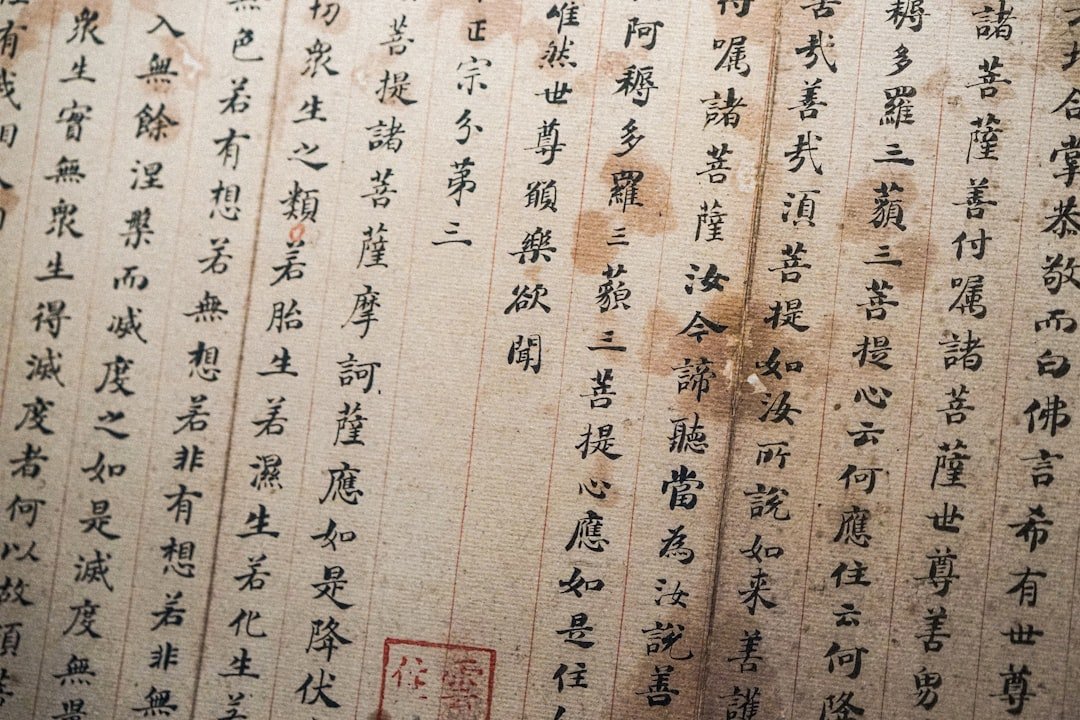
For example, during the Later Jin period, he advised the court to reduce the tax burden on farmers, encourage the opening of wasteland for cultivation, and maintain water conservancy systems. These policies to some extent promoted agricultural production recovery and alleviated people's hardships. At the same time, Feng Dao also valued the inheritance of culture and education. Despite living in a turbulent era, he still supported printing Confucian classics, an initiative that played an important role in preserving and spreading culture. During that time, when warfare was frequent and many precious cultural texts faced the danger of destruction and loss, Feng Dao's promotion of printing classics left valuable cultural treasures for posterity.
In political decision-making, Feng Dao also demonstrated flexibility. Unlike some traditional Confucian scholar-officials who rigidly adhered to the concept of "loyalty to the ruler" without adaptation, Feng Dao believed that in turbulent times, with regimes changing frequently, emperors could hardly maintain long-term rule. Therefore, he was more concerned with how to benefit the people under different regimes and contribute to social stability and development. This pragmatic and flexible political ideology, while controversial during his time and afterward, objectively contributed to a certain extent to maintaining social stability and preserving culture.
Voices of Controversy: Moral Judgment and Historical Considerations
Feng Dao's service to multiple dynasties throughout his life made him a highly controversial historical figure. From the perspective of traditional Confucian moral values, the principle that "loyal ministers do not serve two masters" was clearly violated by Feng Dao's actions, causing some to view him as a disloyal person. For instance, Ouyang Xiu in his "New History of the Five Dynasties" severely criticized Feng Dao, believing he possessed no integrity whatsoever.
However, if considered from a historical perspective, Feng Dao's actions possess a certain rationality. During the Five Dynasties and Ten Kingdoms period, regime changes were frequent and common people suffered greatly from warfare. Against this backdrop, Feng Dao adopted a pragmatic approach, serving in different regimes while working to maintain social stability and development. In each regime, he actively promoted policies beneficial to people's welfare, thereby alleviating people's suffering to a certain extent. Moreover, he made efforts to preserve and disseminate culture during the turbulent times, leaving precious cultural legacies for posterity. Therefore, some scholars argue that we cannot judge Feng Dao solely by traditional moral standards. Instead, we should evaluate his actions and contributions objectively, taking into account the historical circumstances of his era.
Historical Status: The Forgotten Behind-the-Scenes Operator
In the history of the Five Dynasties and Ten Kingdoms, although Feng Dao was not as well-known as some emperors and generals, his influence was nonetheless significant. He served multiple regimes and participated in many important political decisions, contributing to the stability and development of these regimes. Through his political wisdom and pragmatic approach, he worked to benefit the people during turbulent times and contributed to cultural inheritance.
In a certain sense, Feng Dao was a behind-the-scenes operator of that chaotic era. Although he did not possess supreme power, he maneuvered skillfully in the official world, influencing the trajectory of historical development. His experience and actions reflected the complex political ecology and social realities of the Five Dynasties and Ten Kingdoms period. For researching this historical period, Feng Dao is a figure that cannot be overlooked. His existence shows us that aside from intense warfare and regime changes in turbulent times, there were figures like him who left their marks on history in their own ways.
In the long river of history, Feng Dao's image is complex. He possessed the wisdom of an invincible official while carrying the burden of moral controversy. But in any case, he remains part of the history of the Five Dynasties and Ten Kingdoms, worthy of our in-depth research and reflection. His story also reminds us that when evaluating historical figures, we cannot approach from a single perspective alone. Rather, we should comprehensively consider historical context, the figure's motivations, their actions, and multiple other factors. Only in this way can we achieve a more comprehensive and objective understanding of historical figures' values and significance.
📝 本文来自抖文 www.douwen.me ,转载请保留出处。
原文链接:https://douwen.me/archives/640/
💬 评论 (6)
Fascinating subject! I've always been interested in the Five Dynasties period, but Feng Dao never really stood out to me before. This excerpt makes me want to learn more about how he managed to stay relevant through so many regime changes. What was his secret?
This is exactly the kind of "hidden figure" history I love. So many history books focus on emperors and generals, but the real power often lies with people working behind the scenes. Can't wait to read the full article!
Incredible. A man who survived multiple dynasty collapses? That's either genius-level political maneuvering or pure luck. I'm betting it's the former. Would love to know which dynasties he served and whether he actually held different titles each time or managed to keep the same position.
I'm using this for my Chinese history presentation next week. This is perfect timing! My teacher specifically said we should research lesser-known influential figures, and Feng Dao sounds ideal. Thanks for the recommendation!|
The title promises answers but the excerpt cuts off right as it's getting good. "There was one figure..." and then nothing. Classic clickbait setup, but I'm hooked. That said, I really hope the full article is substance over sensationalism.
As someone who has studied this period extensively, I'm pleased to see Feng Dao finally getting attention. Too many Western histories overlook administrative geniuses in favor of military figures. Though I do hope the author avoids romanticizing his pragmatism—surviving multiple purges often meant moral compromises.|