Unveiling Ancient Civilizations: Hidden Wonders Sealed Away by Time
Unveiling Ancient Civilizations: Mysteries Sealed by Time
Throughout the vast river of human history, ancient civilizations shine like brilliant stars, radiating mysterious and captivating light. Some flourished for a time, while others faded into the dust of ages, leaving behind only fragments of ruins that await exploration and interpretation by future generations.
The Lost Maya Civilization: A Mysterious Kingdom in the Jungle
The Maya civilization was one of the most magnificent ancient civilizations of the Americas. Its origins can be traced back to around 2000 BCE, with its primary distribution in present-day southeastern Mexico, Guatemala, and Honduras. The Maya achieved stunning accomplishments in astronomy, mathematics, architecture, and art.
In the field of astronomy, the Maya possessed an exceptionally precise calendar system. They divided the year into 365.2420 days, differing from modern scientific calculations by only 0.0002 days. Through long-term observations, they mastered the patterns of celestial movements and could accurately predict astronomical phenomena such as solar and lunar eclipses. Maya architecture is truly breathtaking, exemplified by the Pyramid of Kukulkan at Chichen Itza. This pyramid has nine levels, stands approximately 30 meters tall, with 91 steps on each face. Adding the temple at the summit yields exactly 365 steps, symbolizing the number of days in a year. On the spring and autumn equinoxes, sunlight illuminates the pyramid's steps, creating a shadow effect that resembles the descent of the feathered serpent deity, demonstrating the Maya's sophisticated understanding of the combination of astronomy and architecture.
However, this advanced civilization mysteriously declined around the 9th century CE. Scholars offer various theories regarding the cause of its collapse, including war, environmental degradation, and resource depletion. Nevertheless, the remnants of Maya civilization remain silently in the jungle, telling the story of its former splendor and mystery.
The Enigmatic Ancient Egyptian Civilization: An Eternal Legend on the Banks of the Nile
Ancient Egyptian civilization originated around 3100 BCE. The periodic flooding of the Nile River brought fertile soil to this land, nurturing highly developed agriculture and laying the foundation for the prosperity of Egyptian civilization.
The ancient Egyptians held unique beliefs about the afterlife, which are vividly expressed in their pyramid constructions. The Great Pyramid of Khufu is the largest pyramid in ancient Egypt, composed of approximately 2.3 million stone blocks, each weighing an average of 2.5 tons, with a height exceeding 146 meters. How ancient Egyptians quarried, transported, and stacked these massive stones without modern machinery remains an unsolved mystery to this day. Beyond pyramids, Egyptian temple architecture is also highly distinctive, such as the Karnak Temple Complex. As the largest temple complex in ancient Egypt, it features numerous massive stone columns and exquisite reliefs, showcasing the ancient Egyptians' superior architectural skills and religious beliefs.
The pharaohs of ancient Egypt were regarded as divine incarnations wielding supreme power. Tutankhamun was a pharaoh of Egypt's New Kingdom, and when his tomb was discovered in 1922, it yielded numerous precious artifacts. The most famous among them is Tutankhamun's golden death mask. Not only is this mask a masterpiece of ancient Egyptian art, but it also provides important clues for understanding ancient Egyptian burial culture and craftsmanship levels.
Ancient Chinese Civilization: A Brilliant Jewel of the Yellow River Valley
Chinese civilization has a long and distinguished history, traceable back to the establishment of the Xia Dynasty around 2070 BCE. The fertile lands of the Yellow River Valley nourished the Chinese people and gave birth to a unique culture and splendid civilization.
During the Shang and Zhou periods, bronze casting technology reached extraordinarily high levels. The Simuwu Ding (Simuwu Tripod) is the largest and heaviest bronze ritual vessel unearthed to date, weighing 832.84 kilograms. Its dignified form and exquisite decorations embody the highly advanced bronze casting techniques and social hierarchy systems of that era.
During the Spring and Autumn and Warring States periods, a flourishing cultural landscape of "a hundred schools of thought contending" emerged. Numerous philosophical schools, including Confucianism, Daoism, Legalism, and Mohism, rose to prominence. Their ideologies profoundly influenced China's subsequent politics, culture, and social life. For instance, Confucianism, founded by Confucius, emphasized "benevolence, righteousness, propriety, wisdom, and integrity," becoming crucial components of traditional Chinese moral values.
China's Four Great Inventions—papermaking, printing, gunpowder, and the compass—made tremendous contributions to the development of world civilization. The inventions of papermaking and printing promoted the dissemination of knowledge and the transmission of culture; the application of gunpowder transformed the nature of warfare; and the compass provided crucial support for the development of maritime enterprises.
Conclusion and Reflection
These ancient civilizations sealed by time, though each following different developmental trajectories and possessing distinctive characteristics, all demonstrate humanity's wisdom and creativity during different historical periods. The rise and fall of these civilizations also prompt us to contemplate that the development of civilization is not always smooth sailing, but is influenced by multiple factors including natural environment, social systems, and cultural concepts.
Exploring ancient civilizations not only allows us to appreciate the great achievements of our ancestors but also enables us to draw lessons and experiences from their rise and decline, providing inspiration for the development of modern civilization. We should cherish these precious historical legacies, continuously explore and research them, and allow those mysteries sealed by time to shine brilliantly once again.
📝 本文来自抖文 www.douwen.me ,转载请保留出处。
原文链接:https://douwen.me/archives/618/
💬 评论 (7)
This is absolutely fascinating! The way the author describes ancient civilizations as "brilliant stars" really captures the wonder and mystery surrounding these lost worlds. I'd love to learn more about specific examples mentioned in the full article.
Great opening, but I have a question: which ancient civilizations do you think left the most significant impact on our modern world? The Egyptians? Mesopotamians? Would be interested in the author's take on this.
Simply beautiful writing. The poetic language about "fragments of ruins that await exploration" gave me chills. It reminds us why archaeology and historical preservation matter so much.
Interesting premise, but this feels a bit vague. What "hidden wonders" exactly are we talking about here? I hope the full article gets more specific rather than just romantic generalizations about the past.
The idea that some civilizations "faded into dust" is sobering. Makes me wonder what lessons we should learn from their decline. Are we repeating their mistakes today? Hoping the article explores this angle.
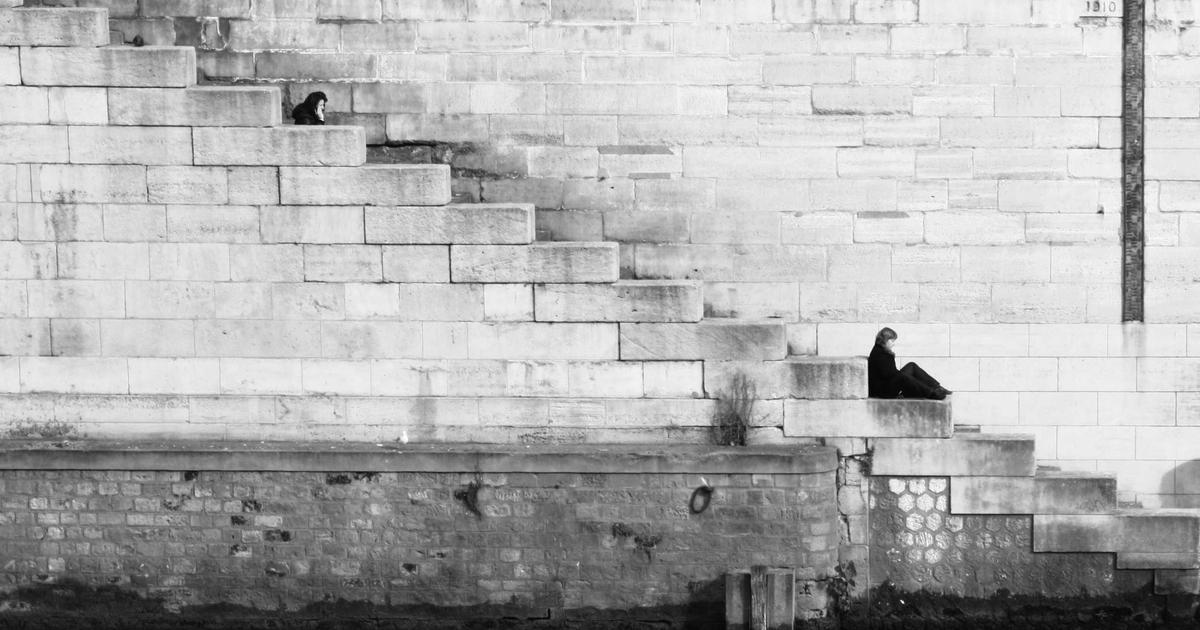
Stunning image! The visual really complements the theme. This reminds me of recent discoveries like the Göbekli Tepe site—sometimes the most mind-blowing finds come from places we least expect.
I absolutely loved this excerpt! There's something magical about how civilizations can be lost for centuries and then rediscovered. Do you cover any recent archaeological breakthroughs? This topic deserves mainstream attention.