Why Did Japan Attack Pearl Harbor?
Japan's Attack on Pearl Harbor: A Gamble That Bet the Nation's Fate
Background: Clashing Interests and Sanctions
During World War II, Japan was aggressively expanding across Asia, seriously threatening American interests. The United States responded with oil embargoes and other sanctions. As a resource-poor nation, oil was as vital to Japan's war machine as blood is to the human body. Without oil, Japan's aircraft, warships, and other military equipment would grind to a halt.
The Attack: Surprise Strike and Devastating Blow
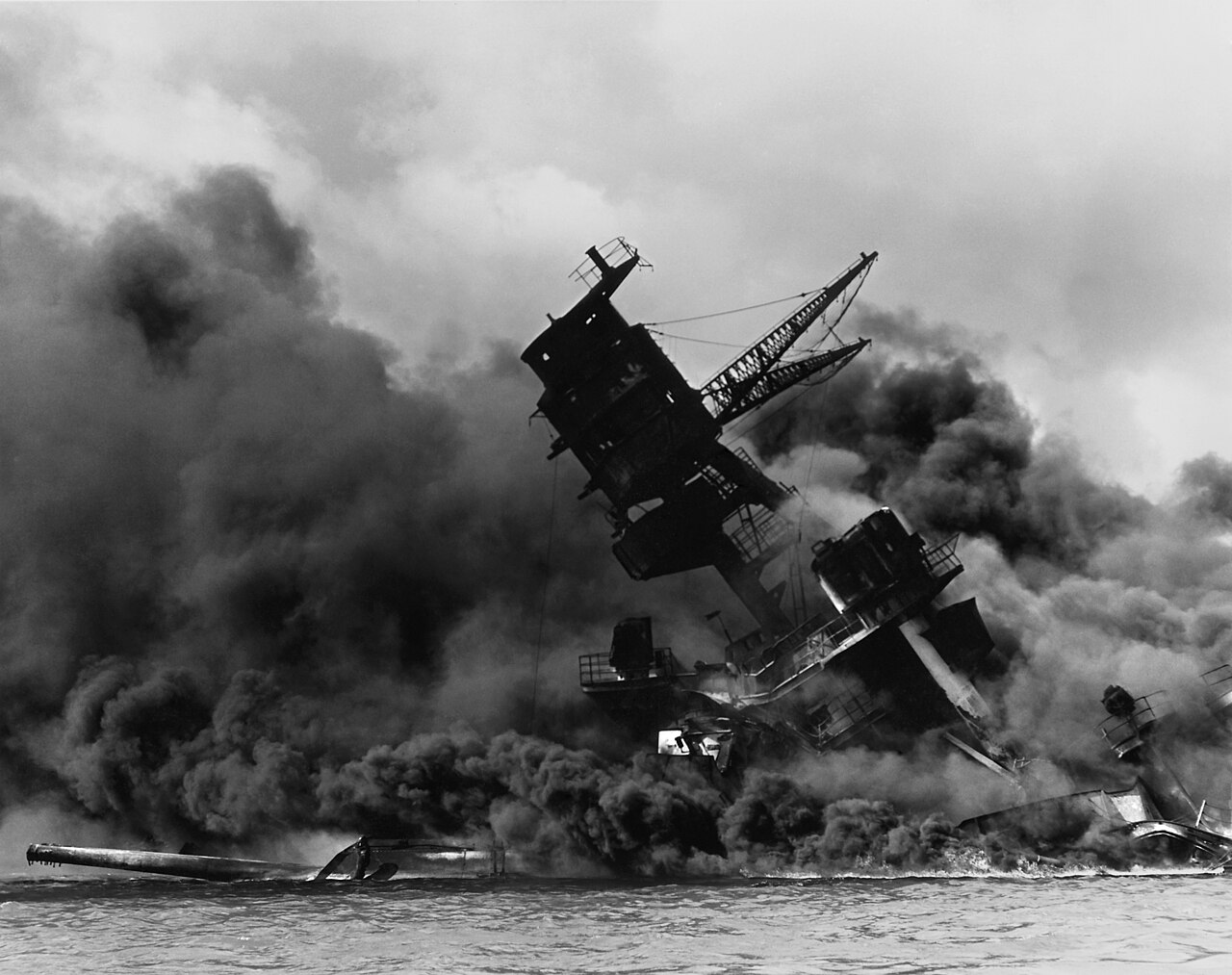
On the morning of December 7, 1941, Japanese planes appeared without warning over Pearl Harbor and launched a furious bombing campaign. The attack inflicted devastating losses on the US Pacific Fleet, with many warships and military facilities destroyed.
The Aftermath: Awakening a Giant and Sealing Their Own Fate
While Japan's surprise attack achieved short-term gains, it thoroughly enraged the United States. America swiftly entered the war and, leveraging its formidable industrial might, quickly turned the tide. What seemed like a bold gamble actually pushed Japan toward the abyss of destruction.
Summary: A Desperate Gamble
Japan's attack on Pearl Harbor appeared to be an attempt to break free from the stranglehold of American sanctions, but it was in reality an all-or-nothing gamble. This gamble ultimately cost Japan its national fortune, leading to its defeat in World War II.
📝 本文来自抖文 www.douwen.me ,转载请保留出处。
原文链接:https://douwen.me/archives/46/
💬 评论 (0)
还没有评论,来说两句吧 ✍️