The Complete Guide to Brain Rot Withdrawal, 2026 The 7-Step Method to Rebuild Your Focus
Brain Rot Explained: What It Really Is and a Gentle, Self-Directed Digital Detox
Brain rot was the Oxford Dictionaries Word of the Year for 2024, describing the scattered attention, declining memory, heightened mood swings, and difficulty with deep thinking that emerge after long-term consumption of fragmented short videos. It is not a diagnosis in the medical sense; it's more a name given to a social phenomenon. Even so, mainstream academia already has plenty of research on behavioral addiction and the effects of short videos discussing similar issues. This article won't cite specific numbers; it simply explains clearly what brain rot is and offers a relatively gentle, self-executable approach to digital detox.
Is Brain Rot a Medical Illness or a Social Phenomenon?

The term "brain rot" is not currently a formal diagnostic term. You won't find an entry for "brain rot" in mainstream psychiatric diagnostic manuals. The closest concept is "internet gaming disorder" and behavioral addiction in the broad sense, but short-video dependence is evolving very fast, and clinical evidence is still accumulating.
Based on publicly available research directions, there is indeed a correlation between long-term, high-frequency use of short videos and social media and declines in attention, mood fluctuations, and worsening sleep quality. The mechanism behind it is generally interpreted as follows: each short video is a high-density reward stimulus that repeatedly activates the brain's dopamine reward circuit; over time, a person's tolerance for low-stimulus information worsens, and it becomes hard to sit still when reading long texts or doing long tasks.
This mechanism has things in common with behavioral addictions like pathological gambling and compulsive shopping, but you can't simply equate them. Put another way, brain rot is more like a "subclinical functional decline": it hasn't reached the level of illness, but daily attention, mood, and decision-making are slowly dragged down, and in most cases it's reversible, with room for improvement as soon as you actively change how you use your devices.
A Few Typical Signs of Brain Rot
The following are not diagnostic criteria, just states often complained about in daily life that you can use for self-observation.
First, the sustainable duration of your attention has clearly shortened. You can't sit still through a ten-minute video or a few pages of a book before wanting to open your phone and scroll something else.
Second, picking up your phone aimlessly. You've only put your phone down a few minutes ago, then subconsciously grab it back, open a short-video or social app, and scroll for a while, with no specific information you're looking for at all.
Third, worsening memory. The video content you watched yesterday, you basically can't recall the details the next day, and you forget something you just heard within minutes.
Fourth, your mood is easily led around by the algorithm. You get excited at content with intense emotion, low at content with negative emotion, and after scrolling you feel more drained than before.
Fifth, even simple decisions start to drag. You can't pick a restaurant when ordering takeout, and you zone out the moment work gives you two more options.
Sixth, deep thinking becomes hard. For a slightly complex problem you think for a few minutes, can't figure it out, and immediately go search for a ready-made answer, rarely forming your own judgment anymore.
Seventh, sleep quality clearly declines. Scrolling your phone for a long time before bed slows down falling asleep, and you wake easily during the night.
If you can match four or five of the items above, it's worth seriously considering cutting down on short-video consumption; if it's already affecting your work, studies, and relationships, you might consider talking to a counselor.
Step 1: First Admit How Long You've Been Scrolling
The first step of a detox isn't to quit, but to measure.
iOS users can see daily and weekly per-app usage time under Screen Time. Android users can see similar data under Digital Wellbeing. Open these two panels and review the durations one by one for the main short-video and short-content apps, such as Douyin, Xiaohongshu, WeChat Channels, Bilibili, and Kuaishou.
Track it for a full week and calculate your average daily usage of short-video apps. Many people who self-assess as "doing okay" will find the actual number surprisingly high. The number itself is neither right nor wrong; it's just the baseline against which all later changes are measured.
Don't sink into self-blame after you see it. Becoming aware of where you spend your time is itself the beginning of change.
Step 2: Set a Stepwise-Decreasing Goal

Quitting completely in the short term is extremely hard, and once you relapse, it's often worse than before. A more realistic approach is a stepwise decrease.
A reference pace: in the first week, cut about a quarter off your baseline duration; in the second week, cut another quarter, until you reach a level you feel comfortable with, say 30 to 60 minutes a day. There's no standard answer for exactly how much to cut each week; the key is not to chase zero from the start.
Remember one thing: the goal is to turn short videos back into a tool, not to erase them from your life entirely. A goal of "absolutely no scrolling" easily makes a person give up the whole effort after their first slip.
Step 3: Let Tools Guard the Gate for You
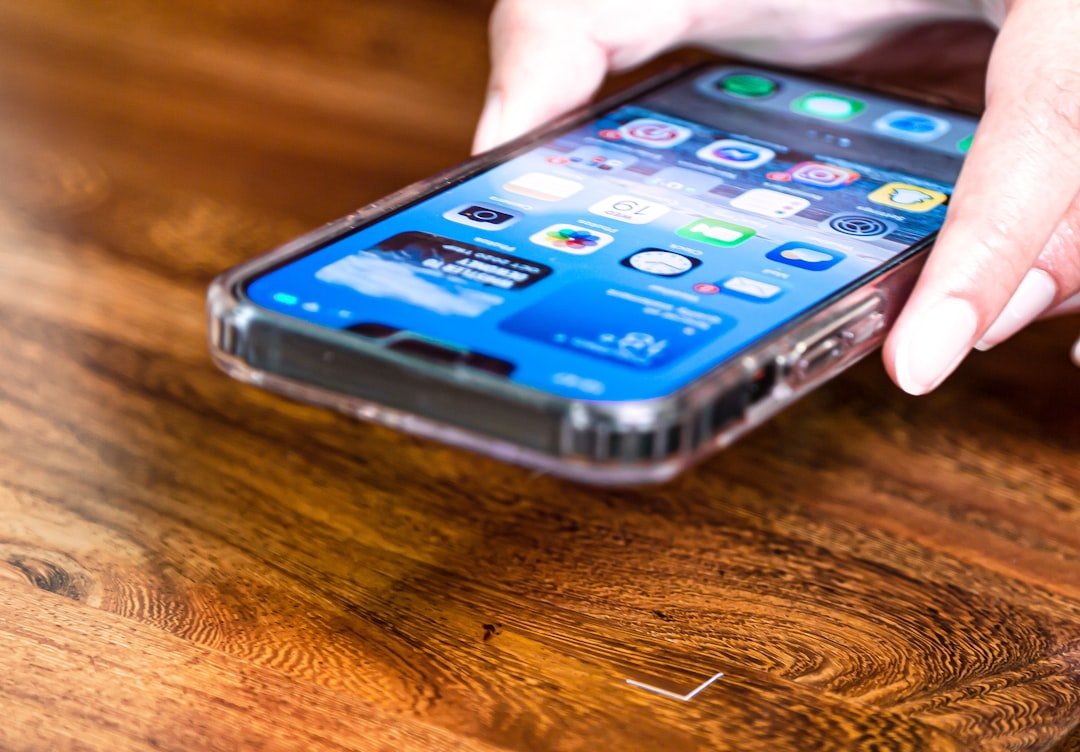
Willpower is limited; tools are relatively reliable.
Both iOS Screen Time and Android Digital Wellbeing have hard caps on app usage time that forcibly lock the app once the cap is reached. You can ask a family member or friend to set the password so you can't unlock it yourself.
There are also plenty of dedicated focus tools on the app stores, such as One Sec, ScreenZen, and Opal. Their common approach is to force a few seconds of waiting before you open a certain app, or to block it outright. During those few seconds of waiting, people often come to their senses and put the phone down.
On the computer side there are blockers like Cold Turkey, Focus, and SelfControl. SelfControl is a veteran free tool on macOS; once you set a blocking period and list, you can't lift it early even if you restart the system.
No single tool is a silver bullet; using them in combination is usually most effective.
Step 4: Replacement Beats Elimination

The hardest part of a detox isn't "can't scroll," but "so what do I do now?" The phone is locked, but the blankness in your head is especially hard to bear, and within minutes you'll find something else to zone out on.
Replacement is more realistic than elimination. In the time slots where you'd normally scroll short videos, arrange replacement activities in advance.
Short replacements: watch a slightly longer text-and-image piece or long video without switching away halfway; listen to a whole song instead of just the chorus; stand up and do a few minutes of stretching or deep breathing.
Longer replacements: read a paper or e-book for half an hour; ride a bike or take a walk without earbuds; talk face-to-face with family and friends; cook a dish, do some cleaning.
Arrange replacements in advance as much as possible; don't wait until the craving hits to improvise. A simple "what to do after 9 p.m." list is far stronger than relying on willpower with an empty mind.
Step 5: Deliberately Re-Train on Long-Form Content

The damage short videos do to your comprehension of long texts and long videos is what many people care about most. To train it back, you can only rely on active training.
Each day, set aside a stretch of time to read a physical book or a long article, with your phone placed out of sight. Start with subjects you're interested in: novels, biographies, or long industry pieces all work; don't pick a hard book right away. When you reach the point of not wanting to read, hold on a few more minutes before putting it down; those few minutes are themselves attention training.
After reading a section or chapter, write down the key points you remember in two or three sentences, or tell a friend about them. The act of "retelling" forces the brain to retrieve and organize information, which works far better than purely passive reading.
You don't need to set unrealistic goals for yourself. Slowly, you'll find you can read longer and longer without losing focus.
Step 6: Exercise Is an Underrated Way to Recover

Compared with the topic of detoxing from short videos, exercise might seem off-topic, but in reality many people overlook its help for attention and mood.
Mainstream public-health guidelines generally recommend that adults accumulate around 150 minutes of moderate-intensity aerobic exercise per week, plus two strength-training sessions. This is just a reference; you don't need to treat it as a task.
Moderate-intensity exercise can be brisk walking, jogging, cycling, swimming, aerobics, yoga flow, HIIT, or any of them. What matters isn't which one, but whether you can stick with it. If it's hard to carve out a large block of time on workdays, you can split 30 minutes a day into two 15-minute segments, one at lunch and one after dinner.
Exercise itself brings a certain improvement in mood and attention. While exercising, try not to wear earbuds listening to dense information streams; let your brain briefly "do nothing," which happens to be the recovery mode it needs most.
Step 7: Leave Whole Screen-Free Windows
The final step of the detox plan is to leave a few clear screen-free windows in your life.
For the first half hour after getting up in the morning, try not to touch your phone. When you see the phone charging, don't grab it; first brush your teeth, make breakfast, look out the window. Let the start of your day begin with focus, rather than being washed over by notifications and trending searches.
For the hour before bed, try to get away from screens. The high-density emotional stimulation in short videos is itself stimulating and affects falling asleep. Switching to reading, light music, journaling, or chatting with the people around you is all better suited than scrolling your phone.
Each week you can pick one day for a "half digital sabbath": on this day you don't open mainstream short-video and social media, while other messaging apps can stay. At first it'll feel very unfamiliar, but after sticking with it for a few weeks, most people find their sense of time on this day actually becomes much clearer.
Travel and long holidays are good opportunities to reset your usage habits. While the environment itself has changed, actively dial down how often you scroll; once you return to daily life, this new habit is relatively easy to keep.
A Few Reminders for Children and Teens
If you're a parent, your child's risk of brain rot is usually higher than an adult's, because the brain is still developing. The WHO's guidance on screen time for preschool children is generally "the less the better," with the specific figures subject to the latest official version. For school-age children and teens, the mainstream advice is to reasonably control daily recreational screen time, prioritizing sleep, exercise, and outdoor activity.
What can be done at the family level is very plain: at mealtimes the whole family puts phones away, keep electronic devices out of bedrooms as much as possible, and set aside a fixed block of time on weekends to do screen-free activities together. Parents leading by example is more effective than ten thousand lectures to the child.
An outright ban often backfires. Compared with "absolutely forbidden," an approach with clear rules and positive replacements is more sustainable, for example specifying how long daily recreational screen time can be, and what has to be finished first if it goes over.
What Things Look Like After Six Months to a Year
A digital detox isn't a one-shot deal; it's more like adjusting your life rhythm. After sticking with it for a few months, most people experience some fairly common changes: being able to remember the rough structure after finishing a long article; no longer being easily tugged around by algorithm-pushed content; falling asleep faster; a steadier mental state during the day.
What to watch out for is relapse, especially after long holidays and during high work pressure, when old usage habits easily come back. Set yourself a simple review cadence, for example checking your Screen Time stats once every three months to see whether you've quietly slipped back to before.
Like fitness, a digital detox has no "graduation"; it's a lifestyle that needs lifelong maintenance. But as long as you care, the process really isn't painful; on the contrary, it makes life much denser.
Frequently Asked Questions
Does watching short videos to learn count as brain rot?
It depends on how you digest it. If you're just passively swiping to the next one, each a few dozen seconds, low in information density and switching frequently, then even if it's billed as "learning" it's closer to brain rot. If you're actively searching for a specific topic, watching longer content of a few to a dozen-plus minutes, and are willing to note the key points afterward or actually try it out, that's learning. The criterion is more about "whether you can retell and apply it afterward" than "whether the content looks like substance."
Can I quit short videos entirely?
You can, but there's really no need. Short videos aren't poison in themselves; the problem is excess and unconsciousness. An outright ban often leads to severe relapse, and gentle "controlled use" is more sustainable than a "clean break." A comfortable goal is to keep no more than half an hour a day, and as much as possible of content you actively seek out rather than content pushed by the algorithm.
Is the early phase of a detox very uncomfortable?
Yes, but it varies by person. Lightly dependent people feel bored for the first few days and gradually adapt in about a week. Those with moderate or heavier dependence may be noticeably irritable and impatient in the first week or two, and may even sleep worse. This is the brain rebuilding its reward circuit; get through the hardest first two weeks and it gets smoother afterward. If your mood is affected especially severely, it's advisable to find a counselor to walk with you for a while.
My job is short-video operations, so how do I detox?
Separate "work use" from "recreational use." For work, use a dedicated account focused on content production, turn off the recommendation feed as much as possible, defaulting into direct messages, the data dashboard, and other genuinely work-related interfaces, and don't open this account after hours. Also set up a personal account with a strict daily time cap, treating it as the "ordinary user" part of yourself, so you can experience the user's perspective without being swallowed by it.
Will I drift apart from friends after a detox?
Usually not. The essence of socializing is relationships, not platforms. Meeting face-to-face or talking on the phone once or twice a week is usually more intimate than scrolling friends' feeds and trading likes every day. If you worry about missing group messages, you can mute unimportant groups but keep notifications, and checking once or twice a day is enough. Most people, after cutting screen time, actually feel their relationships with the people around them have grown deeper.
Inspiration: Ruan Yifeng, "Weekly Newsletter for Tech Enthusiasts," Issue 393 https://www.ruanyifeng.com/blog/2025/09/weekly-issue-393.html
📝 本文来自抖文 www.douwen.me ,转载请保留出处。
原文链接:https://douwen.me/archives/1067/
💬 评论 (6)
Loved the FAQ section.
Thanks for the detailed comparison.
Clear and to the point.
Sharing this with my team.
Solid breakdown, very useful.
Bookmarked for reference.